This sponsored post was written by me on behalf of Trane Residential. All opinions are entirely my own.
Wildfires are currently blanketing the West Coast with smoke and soot. The destruction of plant, animal, and human life is overwhelming, and each photo of scorched landscapes is heartbreaking.
We’ve been monitoring local air quality and keeping tabs on areas where family and friends live. That has led us to run our air filters at full capacity and reassess the condition of our HVAC system.
Even if you don’t live near active wildfires, keeping an eye on indoor air quality should be a priority. Homes with young children, elderly family members, or people sensitive to airborne particles such as pollen should ensure their heating and cooling systems are functioning correctly.
Below are the most important HVAC maintenance tips to help you get the best performance from your system and safeguard your indoor air.
Clean or Replace Your Air Filters
One of the simplest and most effective steps to improve indoor air is to clean or replace HVAC air filters every 3 to 9 months. Regular filter maintenance is easy to overlook but has a direct impact on air quality and system performance.
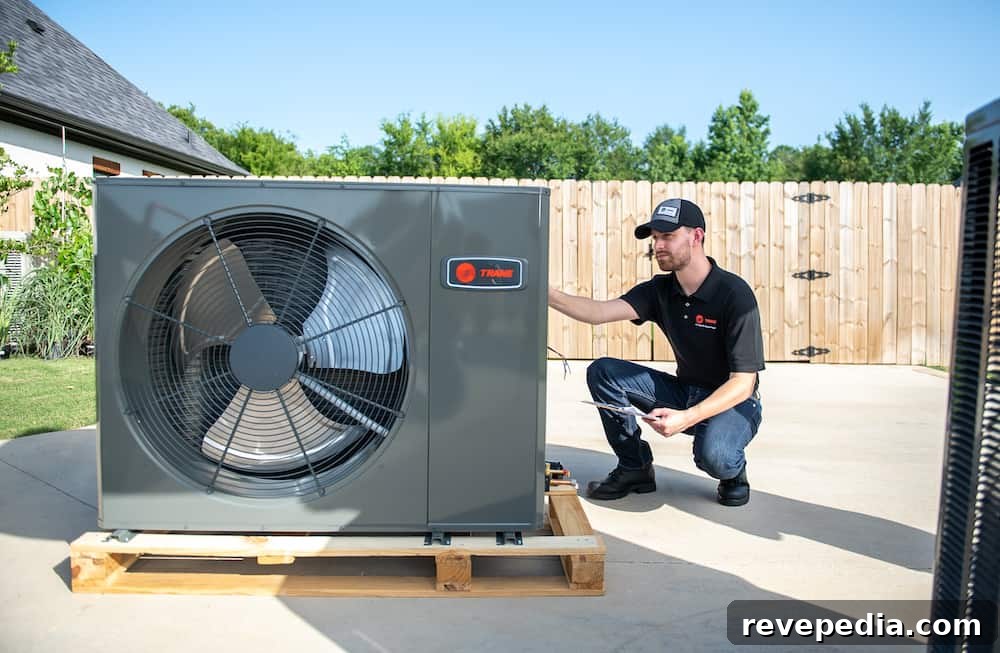
Trane advises that most filters slide in and out easily, and it’s a straightforward task any homeowner can perform after a quick demonstration. Clean filters not only improve the air you breathe but also reduce strain on your equipment, which can extend the life of your HVAC system. A quality filter such as the Trane Comfort Performance Filter helps keep indoor air cleaner while protecting your unit.
Install a Whole-Home Air Cleaner
Portable room filters offer some benefit, but a whole-home air cleaner treats the air throughout your entire house for consistent protection. The Trane CleanEffects Air Cleaner, for example, removes up to 99.98% of airborne particles, including some as small as 0.1 micron. That level of filtration is significantly more effective than many portable HEPA units and far superior to standard 1-inch filters.
CleanEffects has earned asthma and allergy friendly® certification, which can bring extra peace of mind to households with allergy or asthma sufferers who are particularly vulnerable to fine particles that penetrate deep into the lungs.
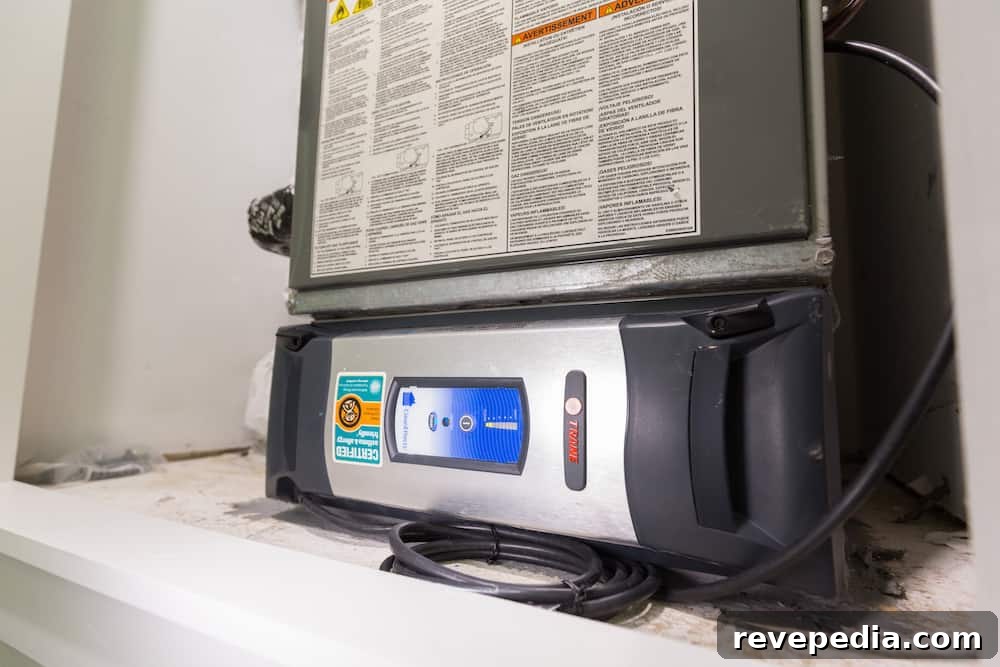
A whole-home air cleaner is also more energy-efficient than running several portable units, and many models are designed so their filters can be cleaned rather than frequently replaced. Simple maintenance such as vacuuming or rinsing every 3–9 months typically keeps them operating effectively, depending on usage and local air conditions.
Maintain Your Air Duct System
Ducts and vents deliver conditioned air throughout your home; their condition directly affects both air quality and HVAC efficiency. If ducts are damaged or clogged, dirt and dust can enter the system and reduce performance.

Begin by cleaning vents and vacuuming around register covers. Dust buildup can restrict airflow and reintroduce particles into living spaces—using a handheld or stick vacuum works well for this task. When possible, inspect visible portions of the ductwork in attics, basements, or crawlspaces for gaps, disconnected seams, or other signs of wear that could let contaminants in.
Even if the sky looks clear, outdoor air quality can vary rapidly. Monitor the Air Quality Index (AQI) in your area and set reminders to check and replace or clean air filters regularly. These small steps help maintain healthy indoor air, reduce strain on your HVAC system, and provide added reassurance during smoky or polluted conditions.
While the local fires remain uncontained, knowing our HVAC system is well maintained brings a measure of comfort amid an uncertain situation.