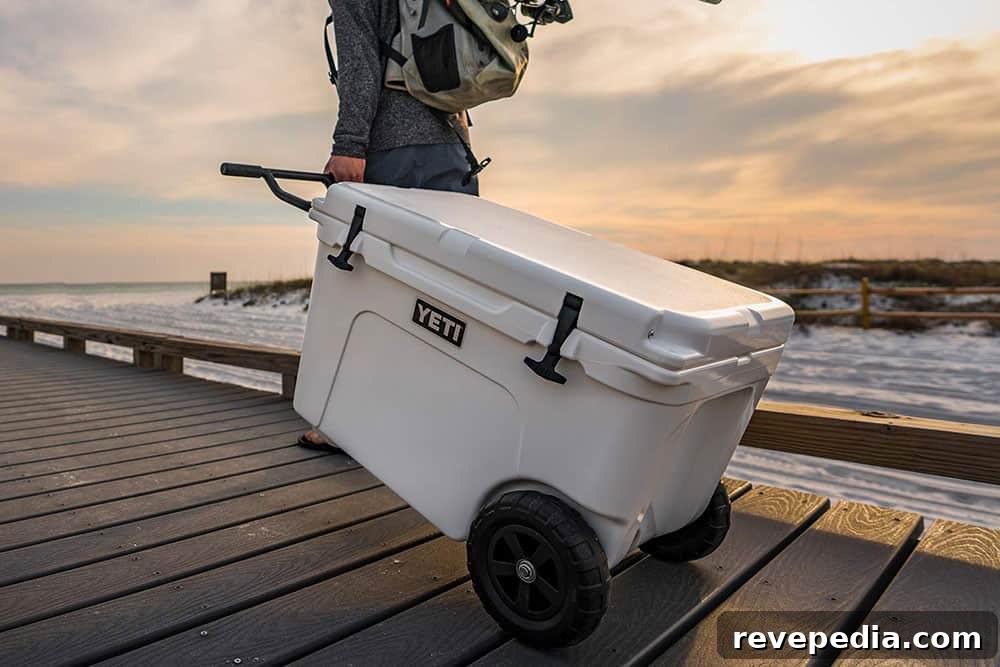
We’re big fans of high-quality coolers. Upgrading from basic models to a heavy-duty cooler can be transformative, but regardless of brand, the way you pack the cooler determines how long your ice—and your food—stay cold. Follow these practical, scientifically grounded tips to get the most out of your cooler on beach days, road trips, and camping adventures.
Pre-pack with Ice
A warm cooler will rapidly melt ice. The best practice is to cool your cooler ahead of time by pre-packing it with ice or frozen gel packs the night before, then load it within 12–24 hours. If you start with a warm interior, the ice will work overtime just to bring the cooler down to ambient temperature, shortening hold time significantly.
Pack Frozen Food and Drinks
Frozen items act like built-in ice blocks. They help maintain a cold interior and will thaw gradually, keeping perishables safe until mealtime. If possible, freeze beverages or bottles of water before packing them; they both chill the cooler and provide refreshing drinks as they melt.
Don’t Skimp on Ice
Aim for a generous ice-to-content ratio. Many experts recommend roughly 2 parts ice to 1 part contents by volume. That means you may need more ice—and a larger cooler—than you expect. It’s often better to use two properly packed coolers than to cram everything into one undersized cooler with too little ice.
Ice Type Matters
Different types of ice perform differently. Dry ice is the most effective if you require extremely low temperatures (handle with caution and proper ventilation). Regular frozen water in large blocks retains cold longer than crushed ice or small cubes from your freezer. When possible, use block ice or store-bought ice bags designed for coolers to extend melt time.
Avoid Air Gaps
Ice cools the air inside the cooler, which then cools your food and drinks. Excess air volume is wasted cooling the empty space, so pack the cooler close to capacity. If you can’t add more food or ice, fill gaps with towels, newspaper, or extra gel packs to reduce air space and improve insulation efficiency.
Keep the Melt Water
Don’t automatically drain water from the cooler unless it’s dirty. Melt water helps transfer cold and can keep items cooler longer than dry ice alone. To maintain hygiene, place perishable foods and drinks in sealed containers or waterproof bags to prevent contamination.
Use Shade and Reflective Cover
Place your cooler in the shade whenever possible; direct sunlight dramatically speeds melting. A light-colored cooler reflects more heat, and covering a cooler with a towel, blanket, or reflective cover adds an extra barrier against heat when shade isn’t available.
Minimize Opening
Every time the lid opens, cold air escapes and warm air rushes in. Reduce how often you open the cooler by gathering multiple drinks or items at once, and assign one person as the “retriever” so the lid stays closed as much as possible.
Use Rock Salt to Chill Drinks Faster
If you need to chill beverages quickly, place drinks on ice and sprinkle a bit of rock salt over the ice before closing the lid. Salt lowers the freezing point of ice, accelerating melting and rapidly chilling bottles and cans. Use this technique sparingly and avoid direct contact between salty water and items that could be damaged by salt.
With these straightforward strategies—pre-chilling, packing frozen items, using ample block ice, minimizing air gaps, and protecting the cooler from heat—you’ll extend ice life and keep food and drinks safe and refreshing longer on every outing.