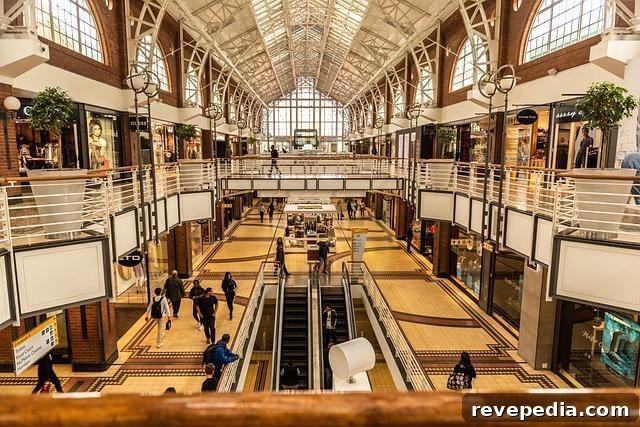
There are places you walk into and forget within a week: a restaurant with competent food and a pleasant room, a boutique stocked with familiar items, a hotel bar with comfortable seating but nothing noteworthy to say. Then there are places that linger in your memory. You describe them to friends. You recall the way light fell across a stone wall, an unexpectedly beautiful ceiling, or the sensation of a room tightening at the entrance and then dramatically opening as you moved through it.
The difference between forgettable and unforgettable commercial spaces isn’t always a matter of budget. More often it comes down to whether the designers committed to a clear idea and then aligned every decision to serve that idea.
A Great Commercial Space Has a Point of View
Generic luxury is easy to produce and hard to remember. Warm wood, ambient lighting, quality materials, and a neutral color palette can read as thoughtful without communicating anything specific. The result is a space that feels pleasant in the moment but leaves no lasting impression.
Commercial interiors that draw people back and inspire conversation almost always stake out a distinct position. F.O.G Architecture’s work in Shanghai, for example, demonstrates a playful and specific approach to surface and scale. A restaurant that places its kitchen at the room’s visual center is making a statement about what dining should be. A boutique that treats its display system as a sculptural element rather than a mere functional necessity signals something about the brand’s identity.
This clarity of perspective can take many forms: calm and monastic, theatrical and immersive, raw and industrial, warm and tactile, compressed and dark, or dramatically tall and flooded with light. What matters is that the space commits to a direction and follows through consistently.
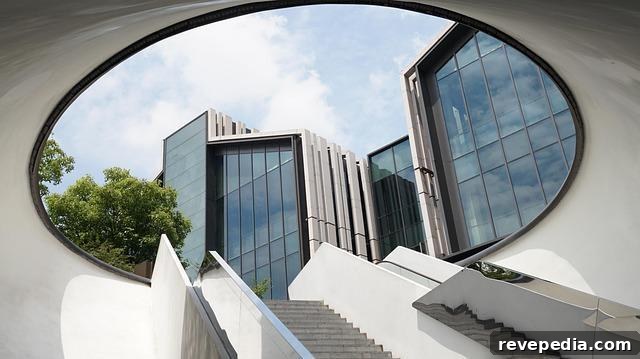
The Concept Must Be Understood Before Construction
The central challenge for any ambitious commercial interior is that the concept—however clear to its creators—must be understood by everyone who approves, finances, and builds it. Owners, architects, brand teams, operators, and investors must align behind an intended atmosphere that does not yet exist physically.
Before a hospitality or retail concept becomes a finished destination, design teams often need to bring owners, architects, and brand stakeholders to a shared visual direction. In this stage, mood boards, material studies, sketches, and commercial 3D renderings help communicate how the space should feel before construction begins. If this alignment is absent, the original idea risks dilution through successive compromises from people who were never fully sure what it aimed to achieve.
Restaurants Sell the Room Alongside the Menu
The idea of the destination restaurant isn’t new, but the expectations for interiors have intensified. In markets where strong cooking is increasingly assumed, the physical experience of dining carries more weight than it did a decade ago. The room has to perform.
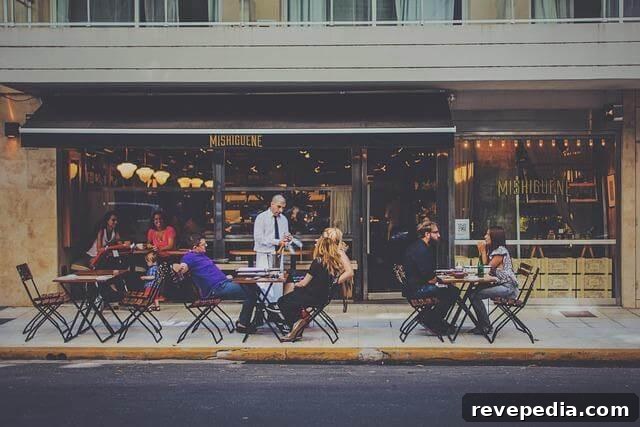
The arrival sequence matters. Whether a restaurant reveals itself immediately or unfolds gradually from a compressed entrance into a larger dining area, that choice shapes expectations and sets the emotional tone before anyone sits down. The bar or host station gives the first indication of how the establishment treats its guests.
Seating density quietly determines atmosphere. A room that feels too sparse reads as unsuccessful; one that’s too dense becomes noisy rather than energetic. Good restaurant design finds the balance between sociability and privacy so that each table feels like its own territory.
Lighting does more emotional work than almost any other single element. Low, warm light sources—candles, carefully positioned pendants, and subtle uplighting—create intimacy and encourage guests to linger. Harsh or high, clinical light has the opposite effect. The best restaurant lighting is rarely noticed consciously but is felt entirely.

Boutiques Turn Brand Identity Into Physical Space
Retail is changing, and the stores that thrive are those that have rethought the purpose of a physical shop. When purchasing can happen anywhere, a boutique must justify the visit on its own terms.
The most successful boutiques treat the space as a three-dimensional brand statement. Color choices, material language, display systems, fitting rooms, and flooring all work together to assert what the brand is and whom it serves. A fashion store that pairs raw concrete with polished display systems makes a different claim than one that uses warm plaster and unlacquered brass—even if both sell comparable garments at similar price points.
Photogenic moments in a shop are not incidental. A carefully composed corner that creates a strong visual moment functions both as an inviting backdrop for social media and as a concrete articulation of the brand’s aesthetic. The best boutique design operates at the scale of the visitor’s body and the scale of a phone screen simultaneously.
Hotels Live in Their Shared Spaces
Hotel rooms matter, but shared spaces often express a property’s character most clearly. The lobby communicates what to expect from a stay within seconds of arrival. A lobby that is confident—warm, eccentric, severe, maximalist, or spare—sets the tone in a way a neutral space cannot.
Strong hotel lobbies are not mere waiting areas; they are places people want to be. A hotel bar or lounge that draws a mix of guests and neighborhood visitors and becomes a local destination rather than a perfunctory amenity signals that the property is genuinely compelling.
Materials and scale in shared hospitality spaces communicate positioning more directly than marketing copy. Double-height volumes with controlled daylight suggest ambition. Low, warmly furnished rooms suggest intimacy. Stone floors and tactile wall finishes convey permanence and thoughtful investment. When a property aligns these signals so that shared spaces reinforce its market positioning, guests leave with a lasting impression of the brand.
Lighting, Materials, and Scale Do the Emotional Work
Across restaurants, boutiques, and hotels, the same design instruments repeatedly drive atmosphere.
Light—its color temperature, direction, and intensity—shapes mood more effectively than almost any other element. Warm, low sources create intimacy; a single dramatic source creates theater; even, neutral light creates anonymity. That choice signals what kind of experience the space offers.
Material choices determine tactility and the subconscious sense of quality. Stone conveys weight and permanence; raw metal and reclaimed wood suggest craft and process. Polished surfaces reflect and amplify light; matte surfaces absorb and contain it. A material palette influences not only appearance but sound and how it feels to occupy a space.
Scale creates expectation and surprise. An entry that forces you to bend slightly before opening into a double-height volume affects the body in a way no finish can replicate. A deliberately intimate room, where everything is within reach, produces a sense of enclosure and warmth that an open-plan alternative cannot match.
Designed, Not Just Decorated
The commercial spaces that linger in memory are those that feel resolved: furniture, lighting, materials, circulation, and visual moments all read as parts of the same intention. These spaces feel designed rather than simply assembled.
There’s a real difference between assembling attractive elements and designing from a strong central idea. Assembling produces something pleasant and forgettable. Designing around a cohesive concept produces a place that feels complete, rewards being in it, and gives visitors the sense of having entered somewhere distinct.
That distinctiveness creates the most durable commercial advantage. It brings people back because the experience was specific to that place. It generates conversation because the place has something to say. It builds brand associations that marketing can support but not replace.
The most memorable commercial spaces aren’t memorable because they were expensive. They are memorable because they committed to an idea and built a complete world around it.