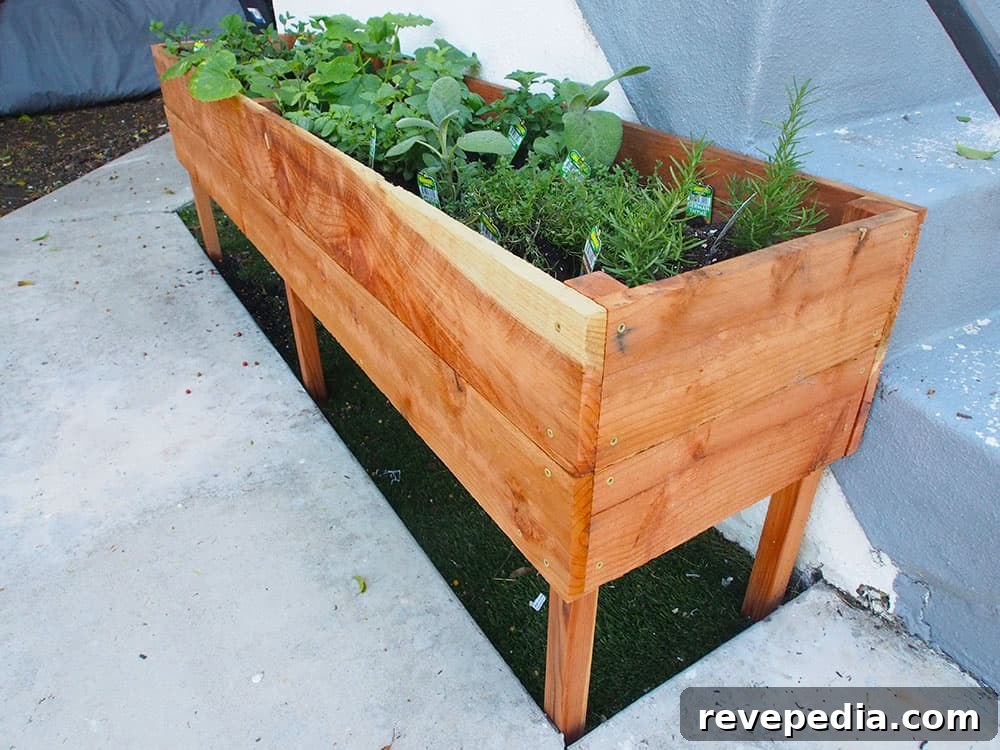
A raised planter box is a perfect way to introduce children to the responsibility and joy of growing their own food. We wanted a project that our seven-year-old could help build and care for, so we designed a sturdy, long-lasting planter that would be simple to assemble over a weekend.
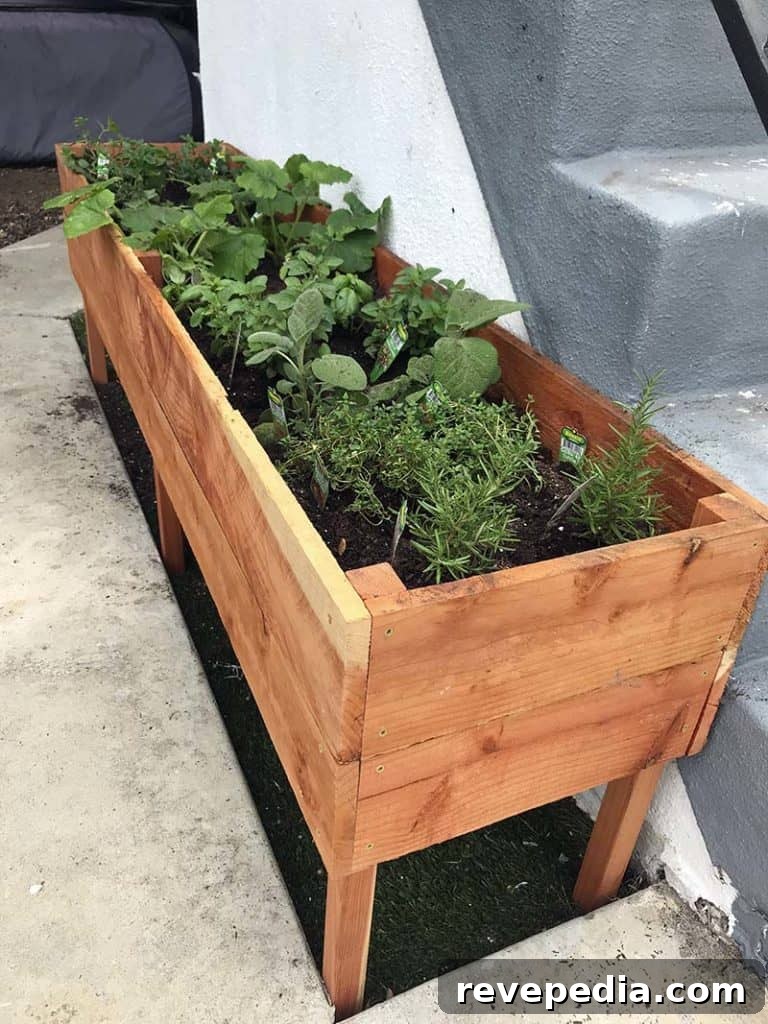
Our previous home lacked both space and sunlight for a productive garden, but our new house has a sunny nook at the bottom of the stairs that was begging for a planter. We’ve built simple gardens before—once using an old wheelbarrow—but this time we wanted a more permanent, chemical-free solution that would complement our modern outdoor aesthetic.
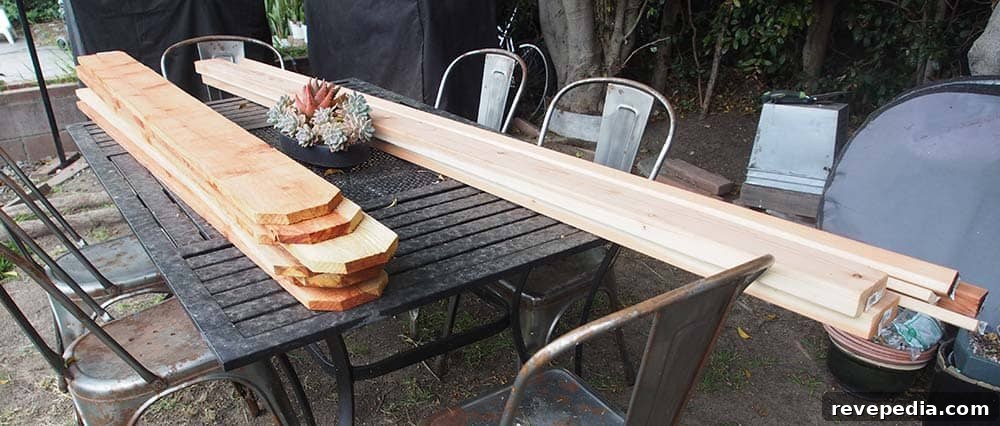
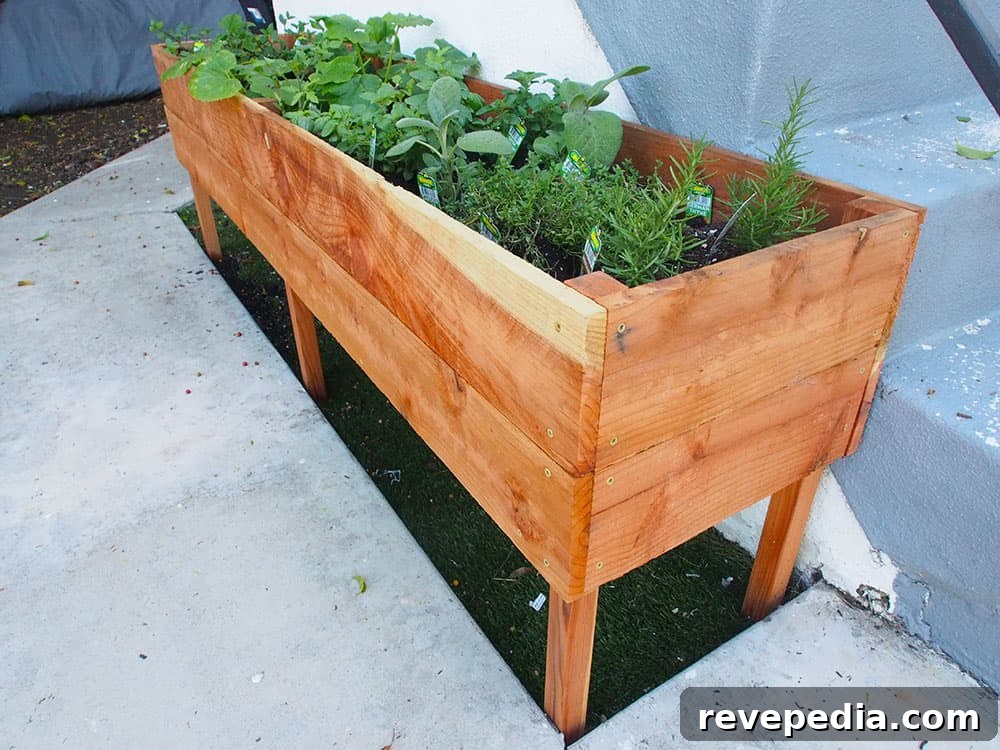
For materials, we chose redwood. It’s naturally resistant to rot and pests and contains no added chemicals, which made it the best choice for a family with small children and a dog. Redwood also has an attractive, warm appearance that pairs well with contemporary outdoor furniture and structures.
Choose a Location
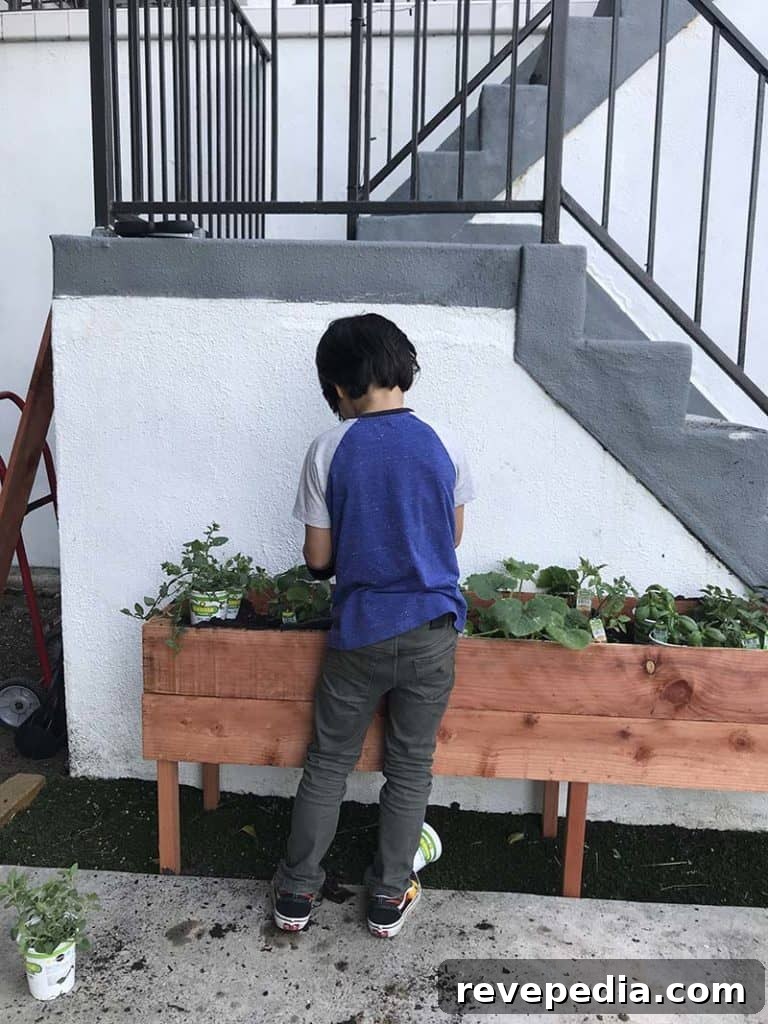
Light is the primary factor when picking the spot for your planter. Most herbs and many vegetables need full sun, so choose a place that receives plenty of direct light. We picked a narrow area at the bottom of our patio stairs that gets ample sun and is out of high-traffic zones where toys and games could disturb the plants.
Find and Make a Plan
There are countless planter box plans available online and on video platforms. Browse several to find a style and construction method that fits your space and skill level. Use the plan as a starting point and adjust dimensions and details to suit your needs rather than following instructions rigidly.
Choose a Building Material
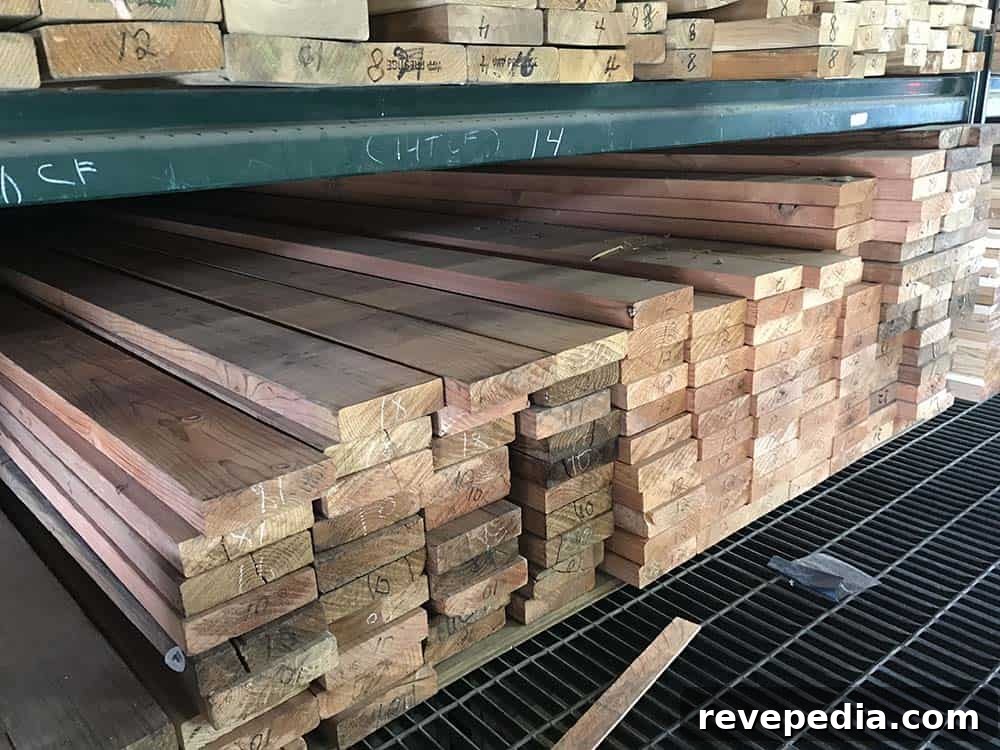
We selected heartwood-grade Humboldt redwood for durability and natural resistance to decay. If you prefer a more refined, defect-free look, clear redwood offers a smoother finish. Another attractive option is combining wood with metal legs for a contemporary, mixed-material planter, but for simplicity we kept the build all redwood.
Assemble Tools and Materials
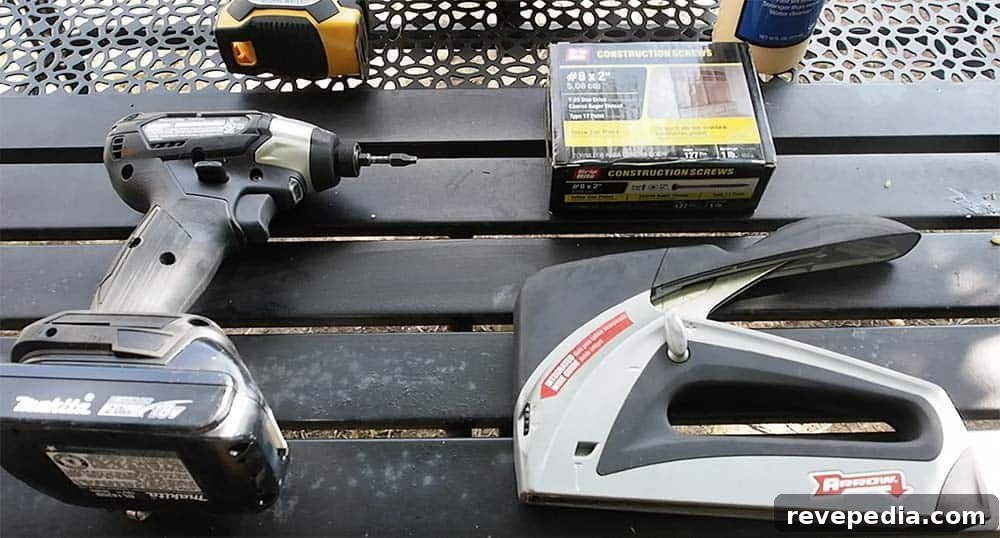
Tools:
Cordless drill/driver, drill and driver bits, jigsaw or circular saw, tape measure, heavy-duty stapler, metal shears, pencil, wood glue, sanding block, woodworking clamps.
Materials:
6 — 1″ x 6″ x 6′ Humboldt redwood boards (for sides and ends); 2 — 2″ x 2″ Humboldt redwood (for legs and internal supports); 1/2″ hardware cloth to support soil and aid drainage; landscape fabric to keep soil contained; 1 1/4″ corrosion-resistant outdoor screws (choose a finish that complements the redwood).
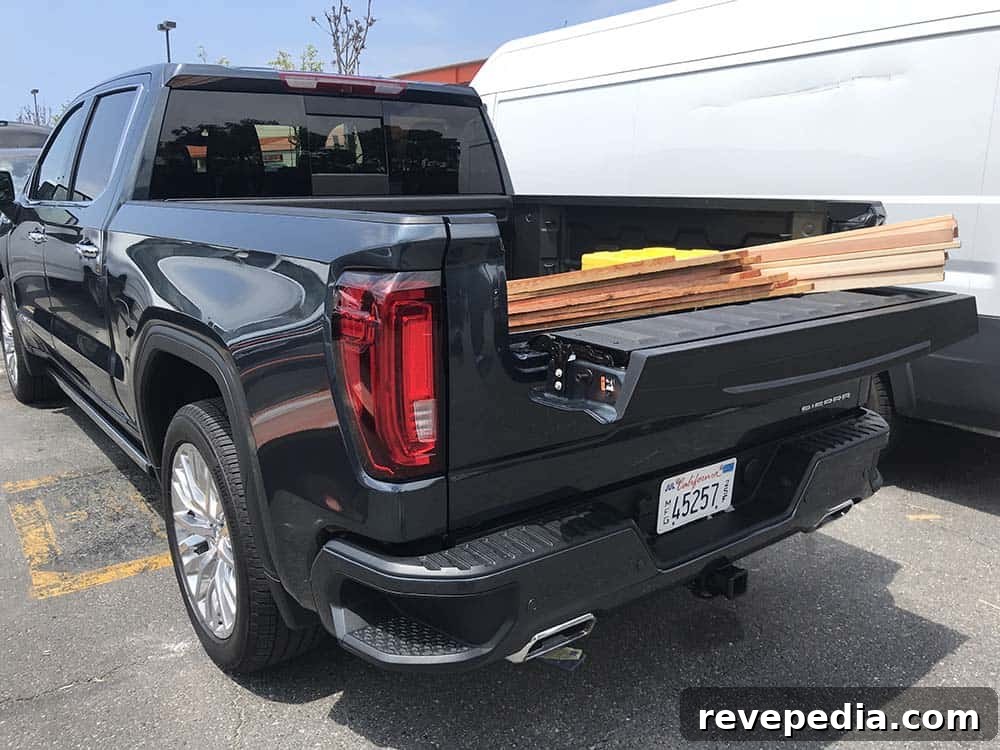
Cut Boards to Length
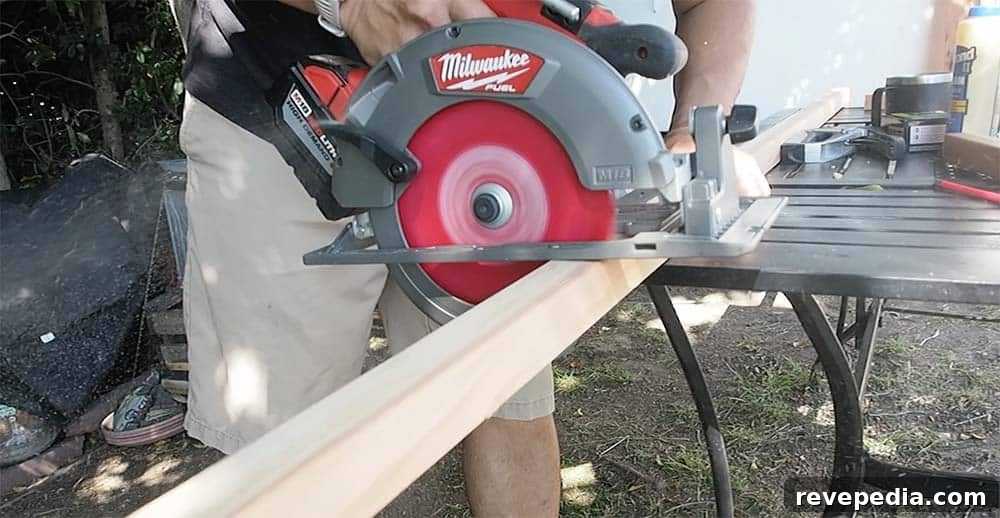
Measure carefully and cut the boards to fit your chosen location. For our installation we used the full length of the fence boards after trimming tapered ends, and cut four-foot boards for the box ends. Cut the 2x2s to 24″ for the four legs and two additional 24″ pieces to serve as internal mid-supports. Smooth cut edges with a sanding block to avoid splinters.
Assemble Planter Box
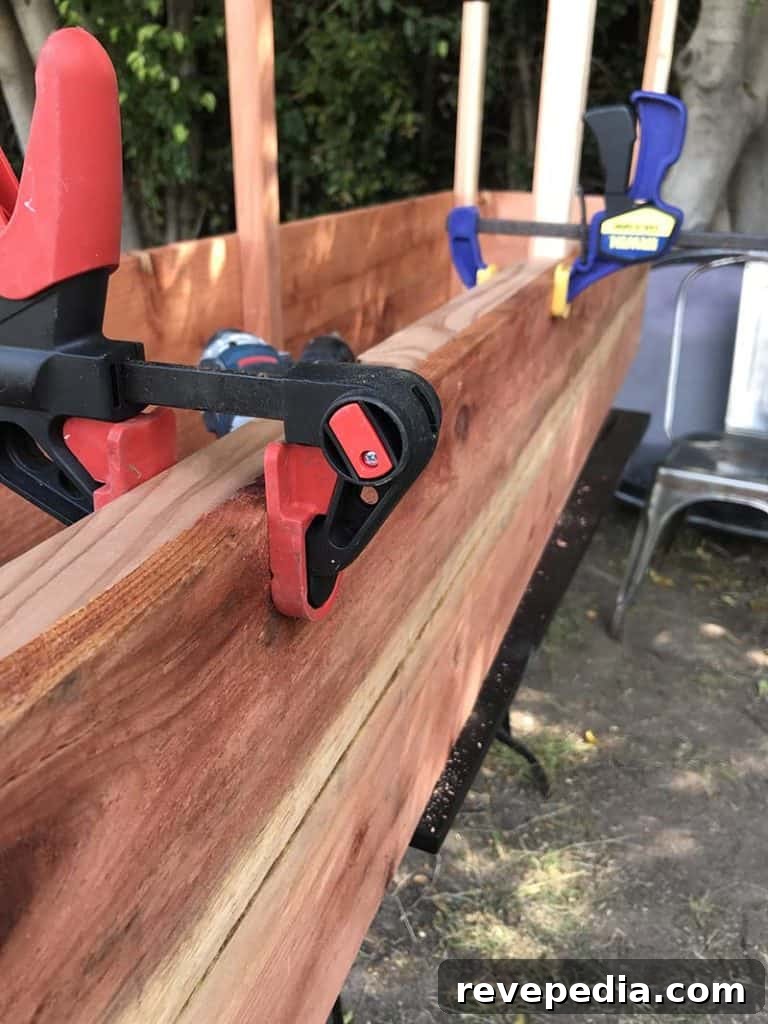
Pre-drill all screw holes to prevent splitting, and consider using wood glue for added strength. Use clamps to hold pieces in place while fastening. Begin by attaching the legs to one side, then secure the opposite side, and finally add the center supports. Fit the internal 2×2 rails along the bottom and fasten them securely to give the hardware cloth something solid to rest on.
Install Hardware Cloth
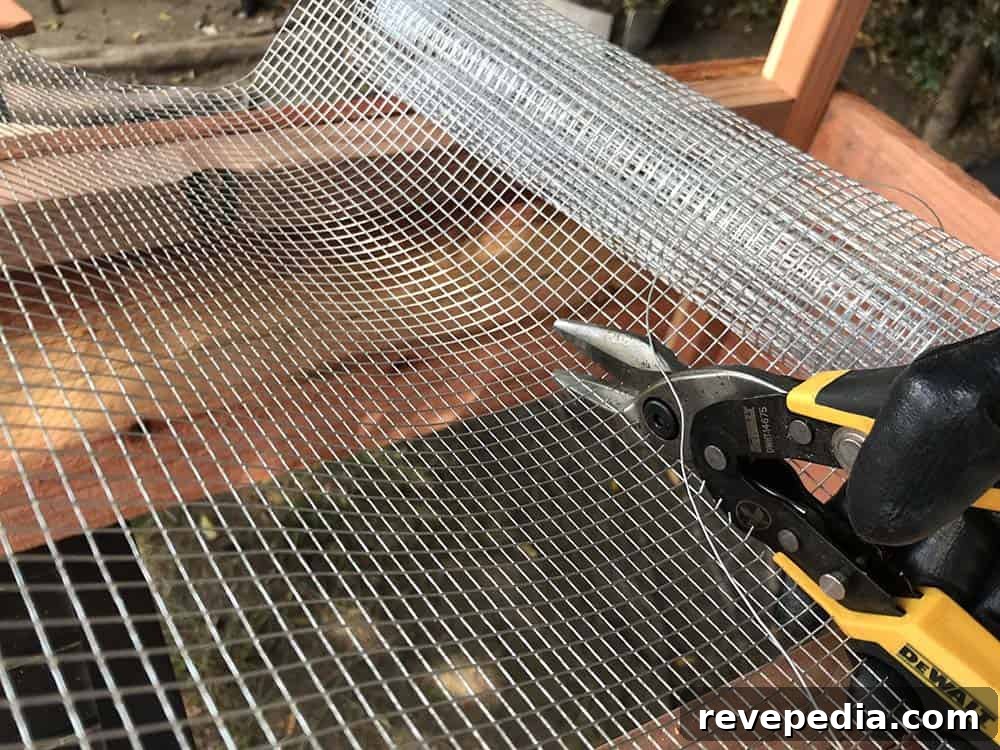
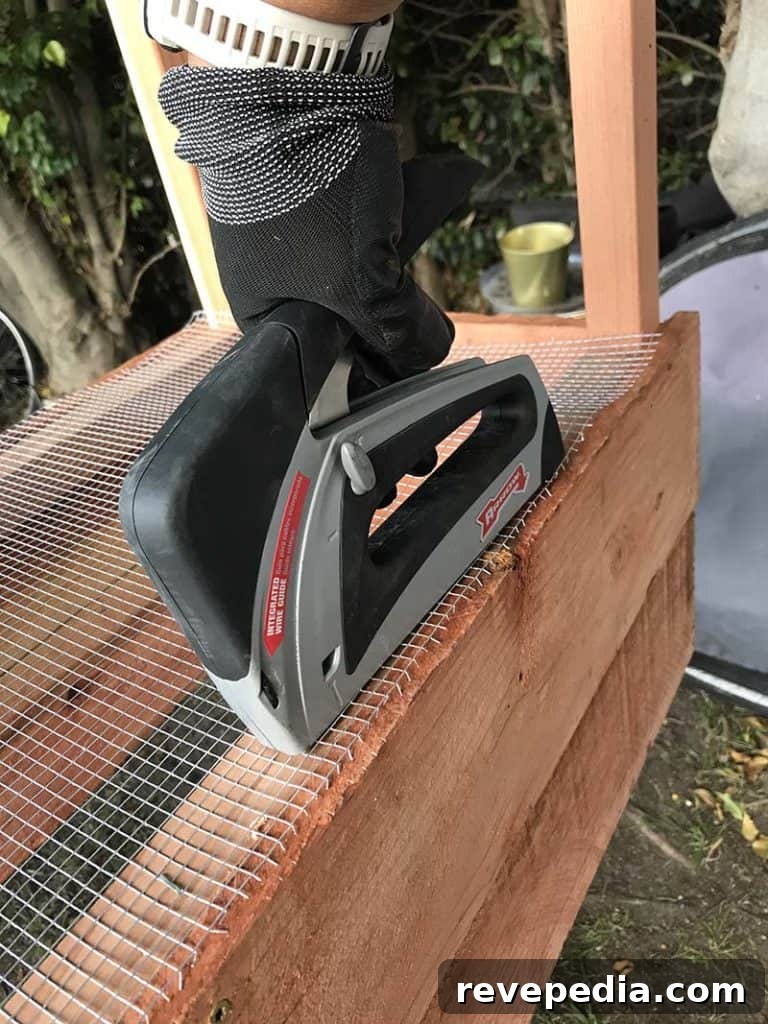
Cut the hardware cloth to size with metal shears and fit it inside the planter. Don’t staple it from underneath; instead place it on top of the internal 2×2 rails and staple or fasten it to those rails. This keeps the cloth secured by the internal structure and prevents staples from loosening under the weight of the soil. On top of the hardware cloth, staple landscape fabric to prevent fine soil from escaping while still allowing drainage.
Add Garden Soil
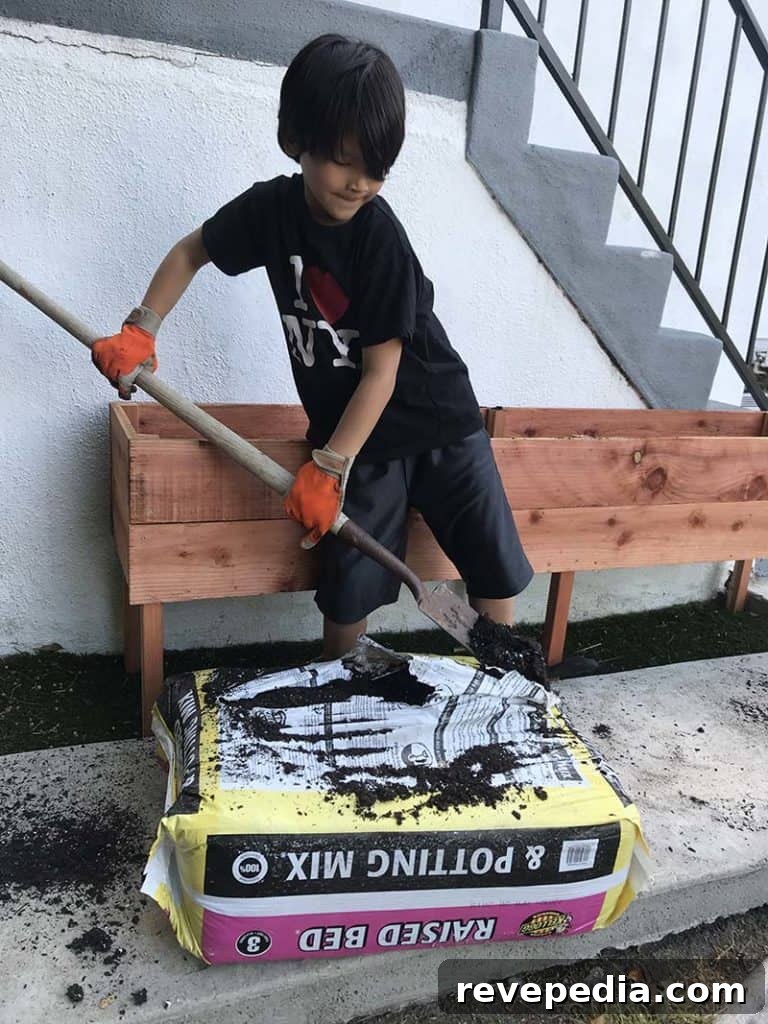
Fill the planter with quality garden soil to about two inches below the top edge and lightly tamp it down. Good soil and proper drainage are key to establishing healthy plants.
Plant Your Herbs and Vegetables
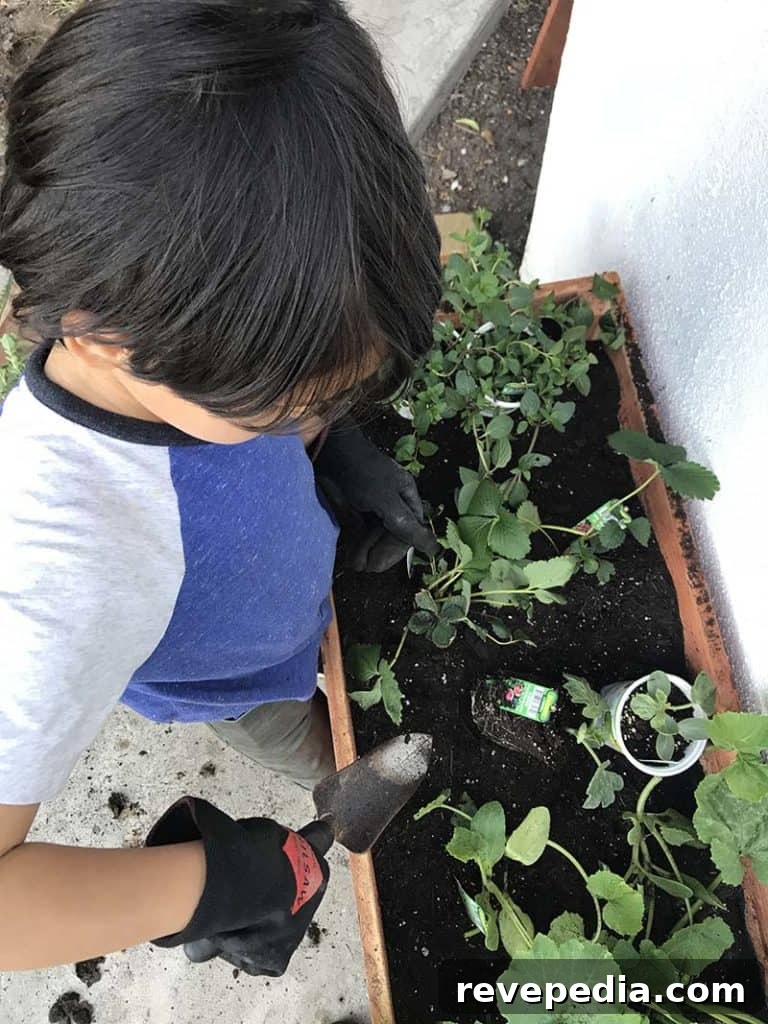
Now the fun begins. Arrange plants with similar water and light needs together—herbs on one side and vegetables on the other is a good approach. Leave room for larger veggies that need space to spread. After planting, water lightly every day for the first week to keep the soil consistently moist and help roots establish. Maintain regular watering and monitor plants closely during the first month.
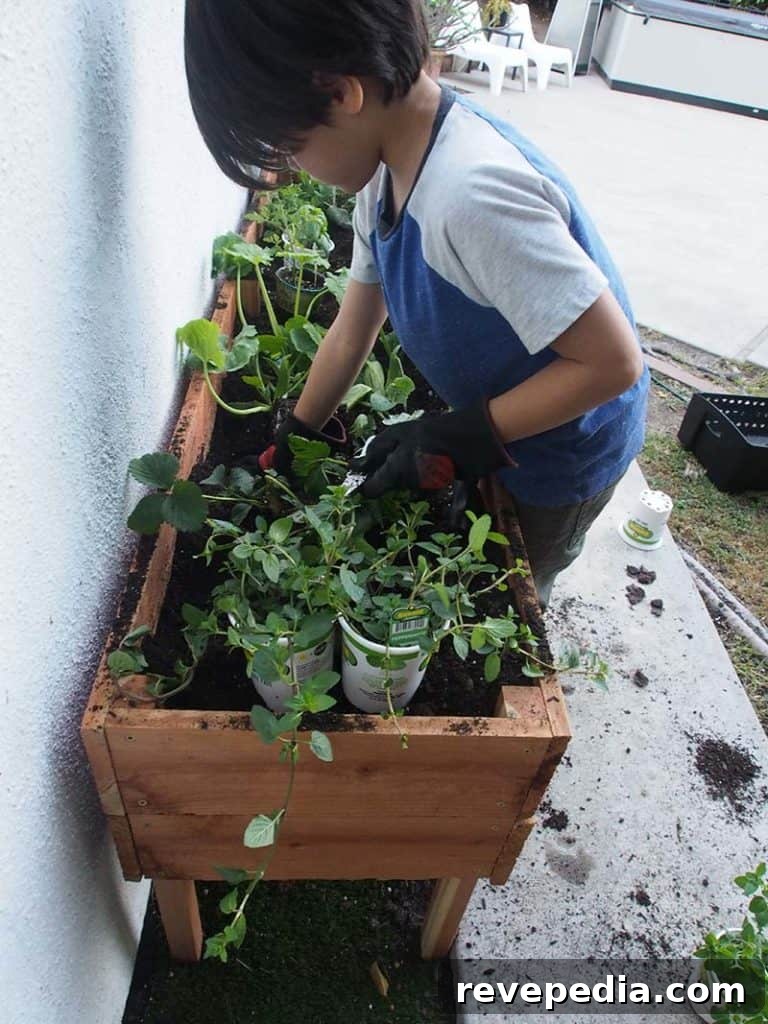
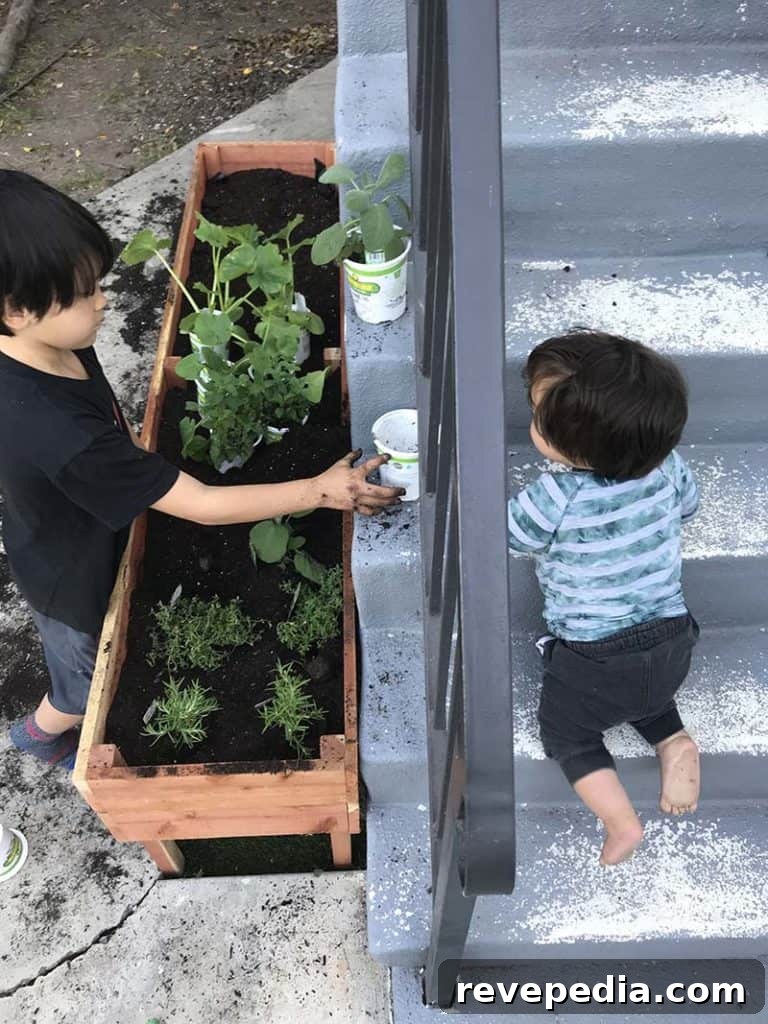
Our son quickly embraced his new role as garden caretaker. He helped build the planter, chose seedlings at the nursery, and planted them himself. He’s responsible for daily watering with our guidance. We look forward to using homegrown rosemary, thyme, and sage in meals, and he’s especially excited about strawberries and cucumbers—perfect lessons in patience and stewardship.
More Raised Planter Bed Ideas
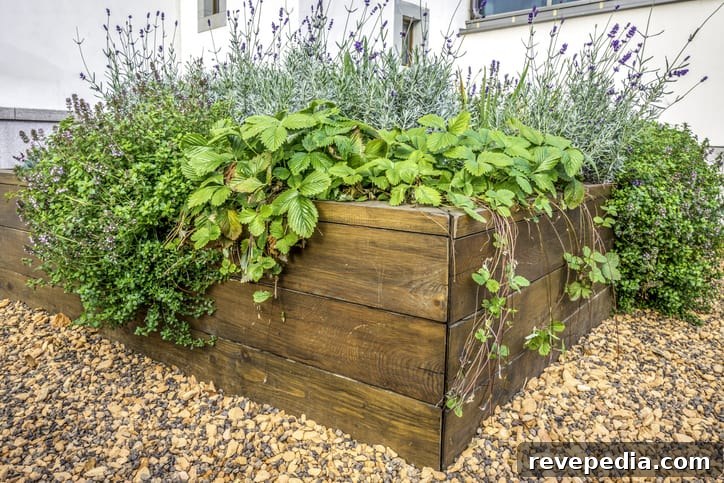
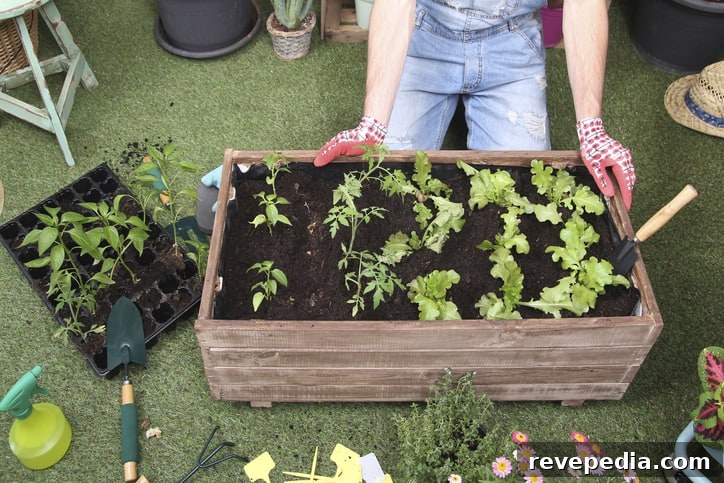
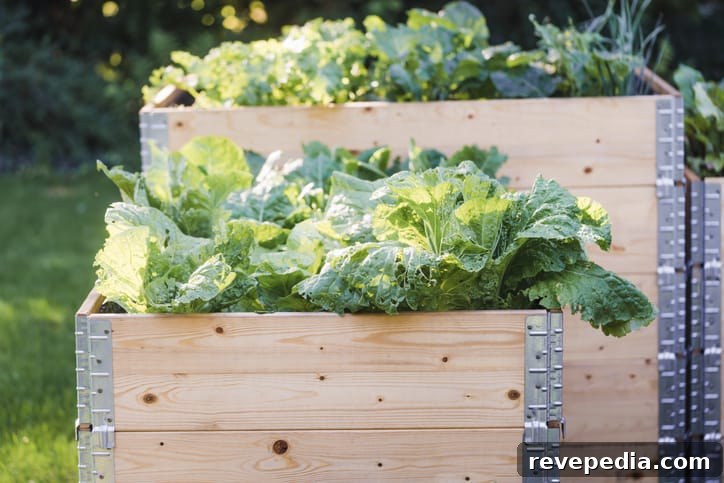
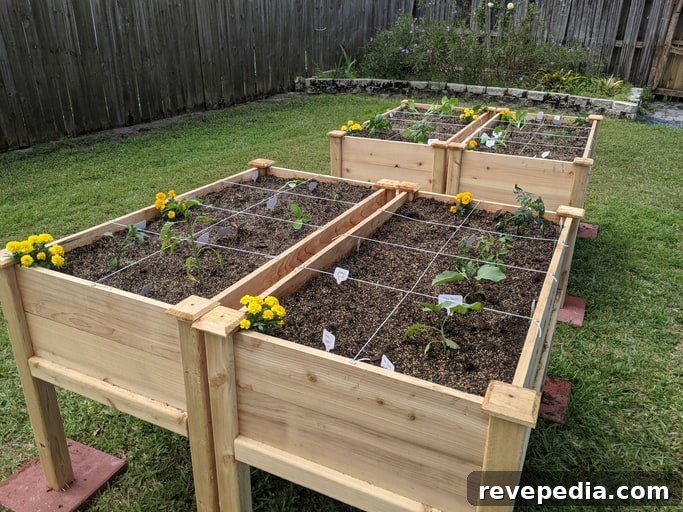
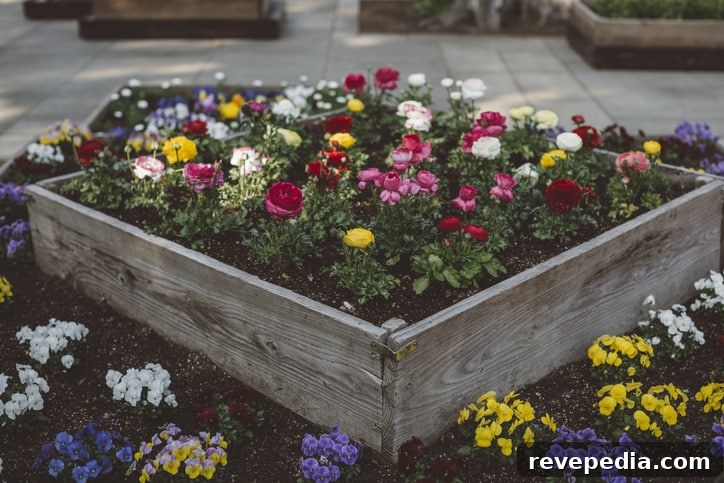
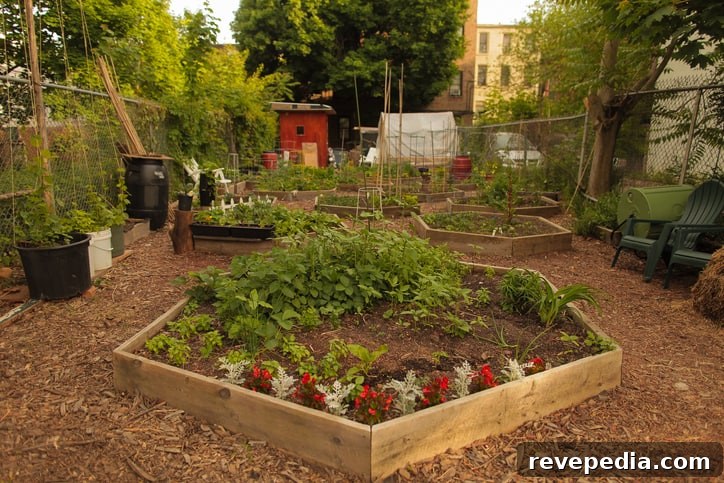
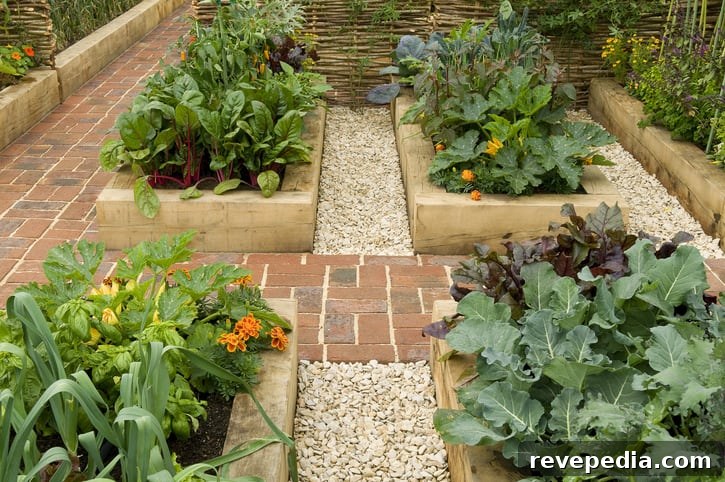
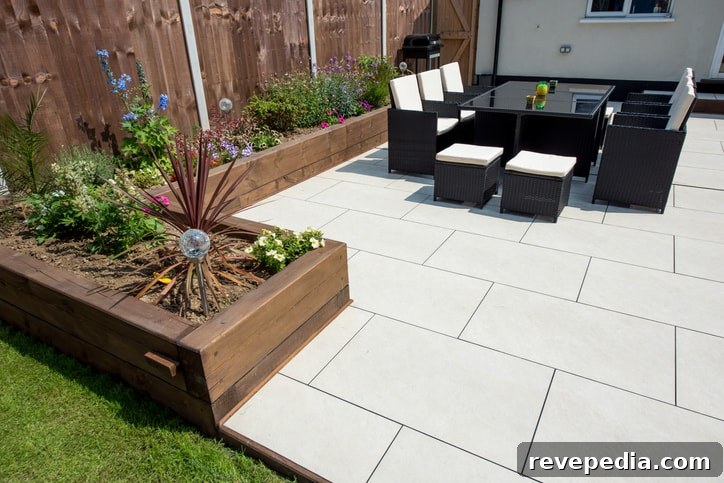
Below are additional planter designs and ideas to inspire your DIY raised bed project. Mix materials, adjust sizes, and personalize finishes to suit your space and style.
This post was sponsored by Humboldt Redwood. All opinions are those of the author.