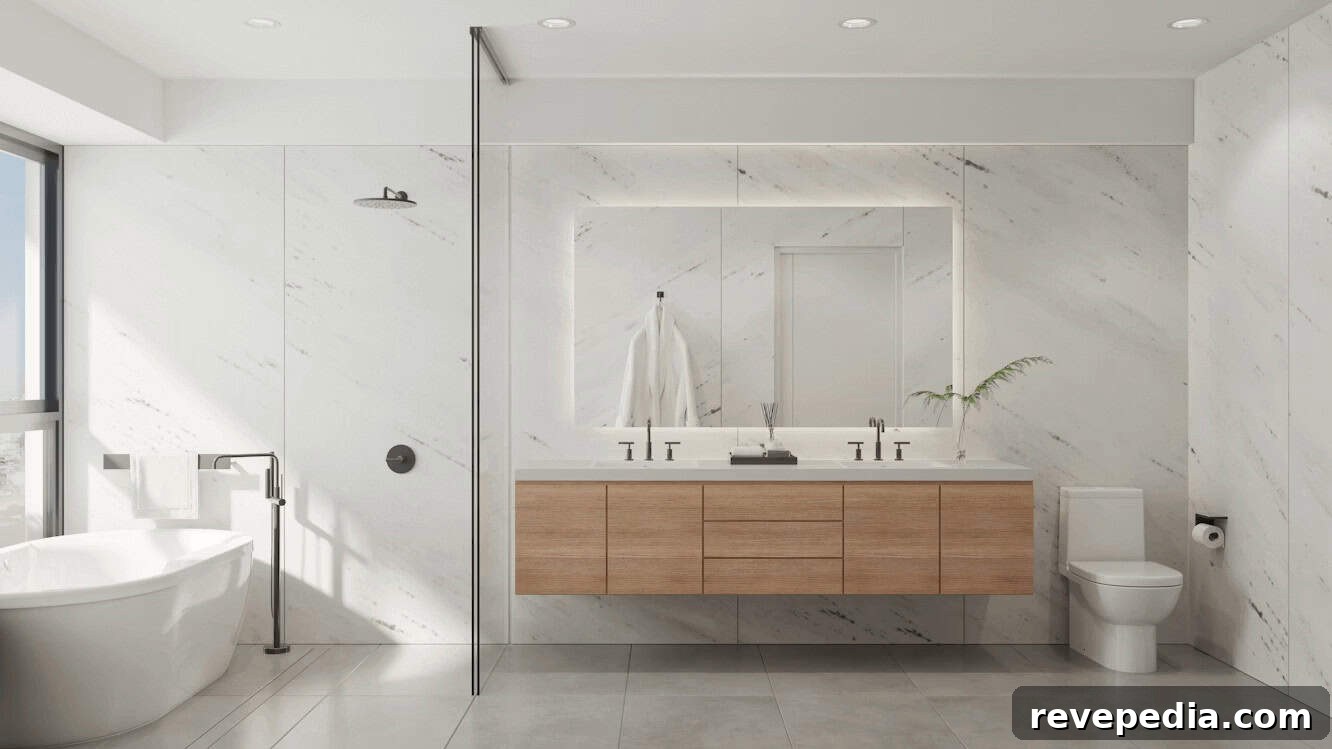
A bathroom renovation can be an exciting transformation. Beyond updating the look, a well-planned remodel improves storage, enhances functionality, and creates a space that stays practical as your needs evolve. Future-proofing your bathroom prevents expensive rework down the line by emphasizing durability, flexibility, and timeless choices.
Future-proofing means preparing for everyday life in a room exposed to water, humidity, and heavy use. Trends shift quickly, but a bathroom designed to last uses resilient materials and adaptable layouts, plus features that accommodate changing household needs.
Understanding the Need for Future-Proofing
Bathrooms face constant moisture, daily wear, and evolving household demands. Planning ahead reduces the likelihood of costly repairs and helps maintain comfort and safety over time. Durable finishes, simple maintenance, and flexible design choices are the foundation of a future-ready bathroom.
Key Trends to Consider
Sustainability:
Eco-conscious materials and water- and energy-saving fixtures are more than a trend—they’re smart long-term choices. Low-flow toilets, efficient LED lighting, and sustainably sourced materials lower your environmental impact and can reduce utility bills over the years.
Smart Technology:
Smart elements increase comfort and accessibility. Heated floors, programmable showers, motion-activated lighting, and touchless faucets add convenience and can improve energy efficiency. Integrating thoughtful technology can also boost resale appeal without forcing a specific aesthetic.
Accessible Design:
Designing with accessibility in mind benefits everyone. Wider doorways, appropriately placed grab bars, curbless or low-threshold showers, and textured, non-slip flooring improve safety and usability as mobility needs change.
Investing in Durability
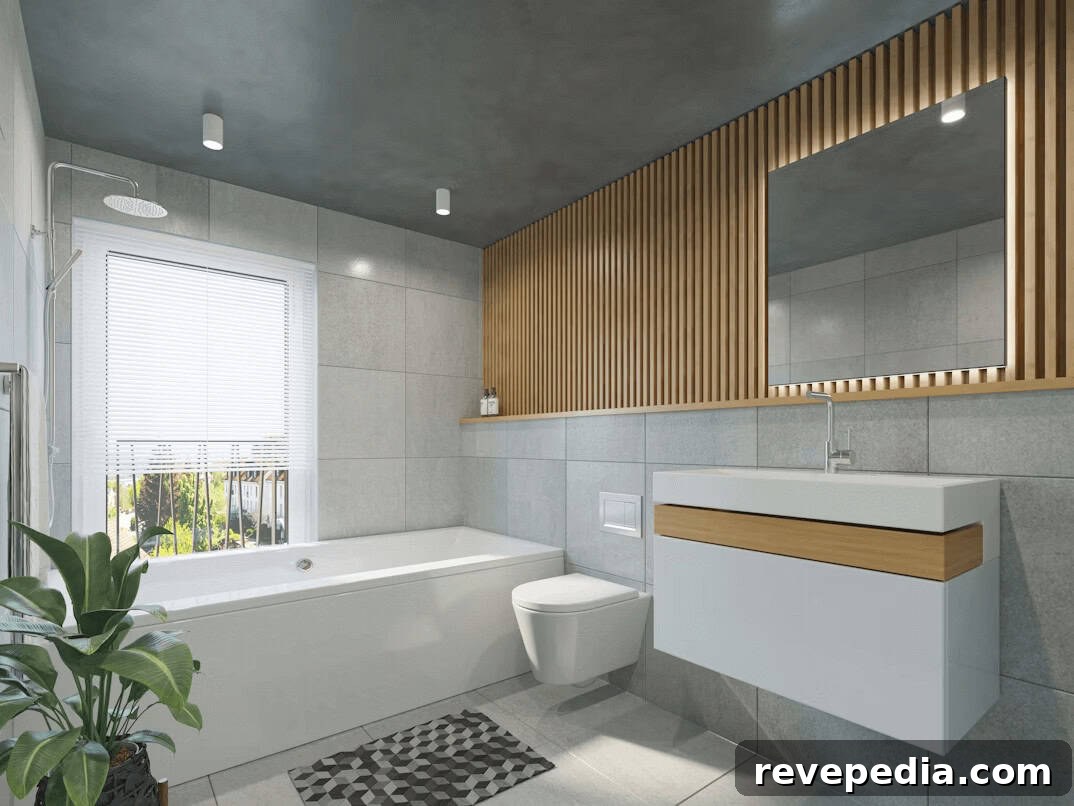
Material choice is central to longevity. High-quality, moisture-resistant materials stand up to years of use with minimal deterioration. Porcelain tile and natural stone are durable flooring options that resist moisture and maintain their appearance. For walls and wet areas, moisture-tolerant wall panels or tiles reduce long-term maintenance.
Frameless Shower Doors:
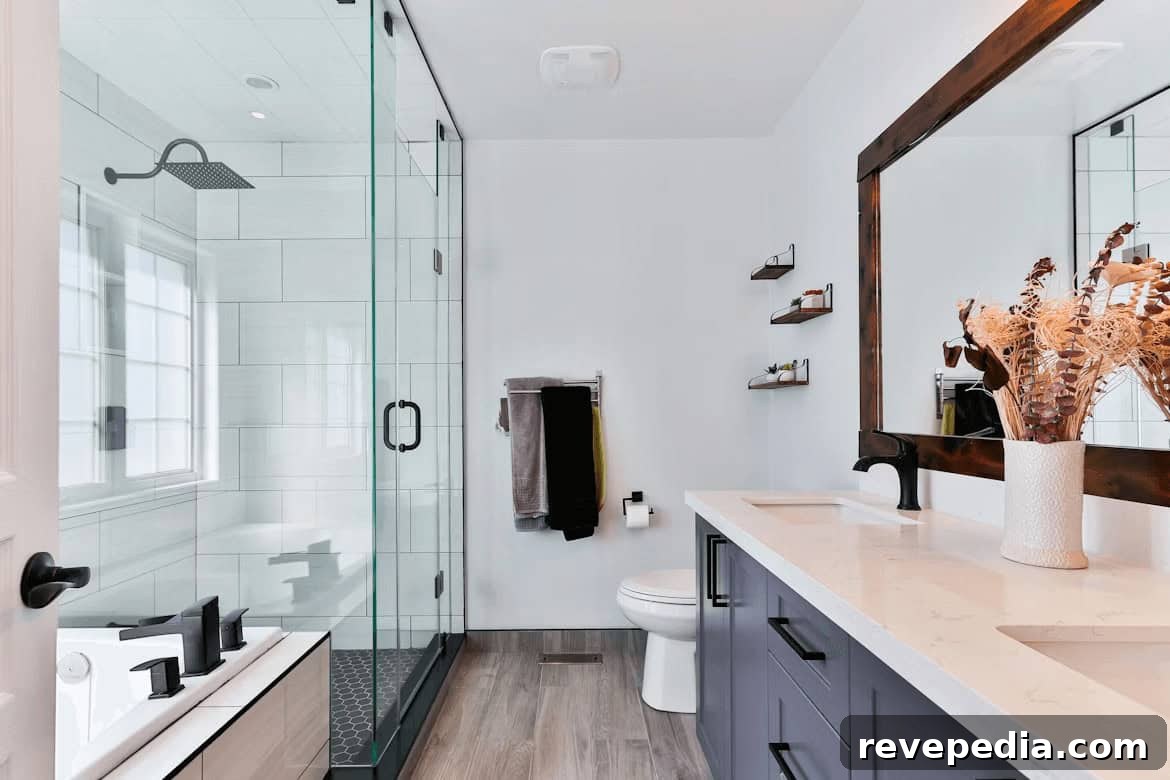
Frameless shower doors create a clean, open feel and are typically easier to keep free of streaks and mold than framed alternatives. Their minimalist design suits many styles and can make a small bathroom feel larger. Choosing robust glass and quality hardware ensures the installation remains functional and attractive for years.
Designing for Versatility
Versatility extends the useful life of your bathroom. Neutral palettes and classic lines allow you to refresh finishes or accessories later without a full renovation. Design choices that emphasize flexibility let the space adapt as tastes or needs change.
Multi-Functional Spaces:
Maximize utility with dual-purpose solutions: vanities with abundant storage, integrated laundry options where space allows, or a shower-tub combination that accommodates both quick showers and relaxing baths. These choices support a variety of lifestyles and life stages.
Planning for Maintenance
Ease of maintenance should guide material and finish selections. Surfaces that resist staining and mildew reduce cleaning time and prolong the look of the space. Prioritizing low-maintenance options saves effort and cost over the long term.
Fixture Materials:
Choose fixtures in stainless steel, brass, or other durable metals with protective finishes that resist tarnishing and corrosion. Quality valves and finishes reduce leaks and extend the service life of faucets and shower fittings.
Grout Choices:
In high-moisture areas, epoxy grout offers superior resistance to mold and staining compared with conventional cement-based grout. Although initially more expensive, it can significantly reduce maintenance and the risk of water-related damage.
Creating a Timeless Look
A timeless aesthetic helps ensure your bathroom remains appealing for years. Aim for cohesion between function and style, selecting elements that will age gracefully rather than follow fleeting trends.
Classic Color Palettes:
Soft whites, warm neutrals, and natural earth tones create a calm, inviting atmosphere that pairs well with updated hardware or textiles when you want a refresh.
Quality Fixtures:
Invest in well-made faucets, cabinetry, and hardware. Quality components perform better and retain their appearance longer, supporting both daily use and long-term value.
Lighting:
Layer lighting to combine ambient illumination with focused task lighting and subtle accent lights. A good lighting scheme improves functionality and sets the mood for different uses.
Conclusion
A bathroom renovation should deliver immediate benefits and stand the test of time. By prioritizing sustainability, smart technology, accessibility, and easy maintenance, you create a space that adapts to changing needs while retaining style and function. Thoughtful choices—such as durable materials, quality fixtures, and versatile layouts—help you avoid frequent updates and preserve value.
Plan ahead, invest in resilient components, and favor timeless designs so your bathroom remains a comfortable, efficient, and attractive part of your home for years to come. Your future self will appreciate the care you put into making smart, lasting decisions.