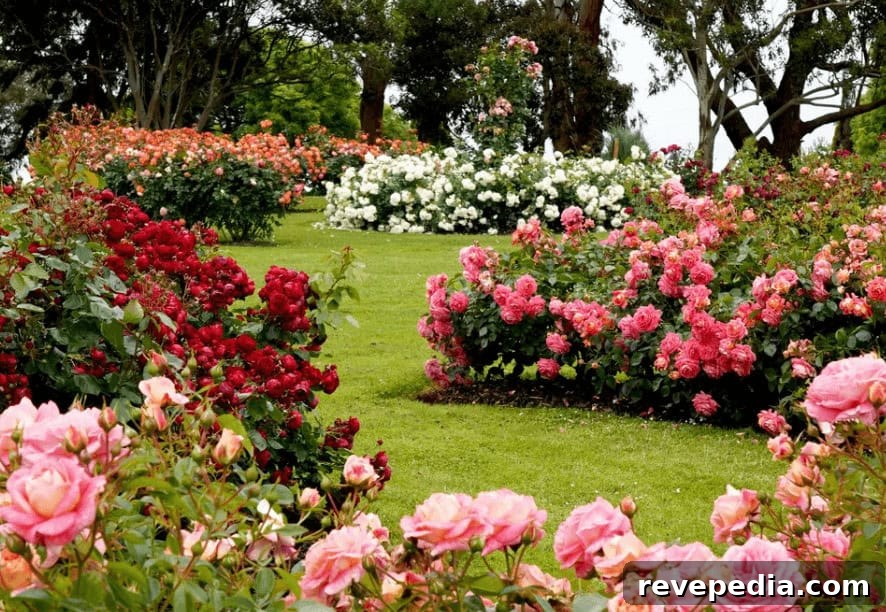
What would your yard look like if it actually matched your life, not just your mower schedule? The good news is that innovative yard and garden designs in 2026 aren’t about pricey extras. They focus on practical improvements that save time, water, and space while still feeling intentional and attractive.
Outdoor water use matters. In the average home, more than 30% of all water use happens outdoors, and in arid regions that share can climb to roughly 60%, with inefficient irrigation wasting large portions of that. That reality means smarter landscape choices pay both environmental and financial dividends.
If you take one thing from this article, let it be this: the best yards combine three simple ingredients — a clear style, a sensible layout, and a few standout features. Those features don’t need to be elaborate. Think vertical planting, a crisp gravel zone, layered borders, or subtle technology that handles routine tasks like irrigation or lighting.
You don’t need a blank slate or a big budget. What you do need is a plan that fits your space and a style you won’t tire of by midsummer.
Start with style, then make a simple plan that fits your space
A yard can still feel “off” even when plants are healthy. Often the problem isn’t the plants themselves but the lack of a style anchor and a layout that repeats. Start by choosing a direction quickly, then sketch a plan you can actually follow.
Begin by checking three clues about your site: how sunlight moves across the space, where people actually walk and gather, and which views or privacy needs matter most. From there, draw a quick plan on paper — no fancy software required. Map the boundaries, mark sun and shade, and identify two to three intentional zones you’ll design rather than leaving to chance. Most yards benefit from a hangout zone, a planting zone, and a clear path between them.
Designing for real use pays off: a large share of homeowners want multi‑functional outdoor spaces that handle relaxing, entertaining, and even remote work. Keep plant choices focused and limited — a smaller palette reads as intentional and is easier to maintain. Think in layers: a mix of ornamental grasses, perennials, and small shrubs creates movement and texture while avoiding the dated “row of identical shrubs” look.
Quick style picker: modern, rustic, minimalist, tropical, or eco-focused
- Modern garden designs favor clean lines and simple shapes, often with drought-aware materials. Large pavers, wood or metal screens, and mixed beds of grasses and perennials create structure and texture while reducing water needs.
- Rustic backyard style feels relaxed and meadow-like. Natural materials such as stone and weathered wood, a cozy fire-pit corner, and plantings like coneflowers, salvias, and airy grasses create a comfortable, lived-in feel.
- Minimalist garden designs suit people who dislike visual clutter. Gravel, restrained plant palettes, and strong green-on-green textures emphasize negative space as much as the planted areas, producing a calm, composed outdoor room.
- Tropical garden style uses bold foliage and layered planting to create privacy and a lush sense of escape. Even a small patio can feel like a retreat when layers, large containers, and dramatic leaf shapes are used thoughtfully.
Layout that works: repeat shapes, create one clear path, and add a focal point
Effective layouts don’t demand perfect symmetry. They require a few repeatable rules that keep the garden readable: repeat shapes or materials to unify areas, keep one clear path to connect primary zones, and include a focal point such as a bench, tree, or sculpture to anchor views.
Privacy is also important. Screens, trellises, and airy structures can block unwanted sightlines without turning the yard into a boxed-in space, allowing you to feel sheltered while keeping light and flow.
Innovative garden ideas you can mix and match
Once your style and layout are in place, you can layer on features that add function without adding chores. A common 2026 theme is “soft structures” — arches, pergolas, obelisks, and trellises — which give the garden backbone while letting plants do the softening. Lawn is no longer mandatory; many homeowners replace portions of turf with gravel gardens, meadow patches, or mixed borders that support pollinators and demand less maintenance.
Outdoor living remains a priority, with small “rooms” that entice you outside on any day of the week. Below are adaptable upgrades you can introduce in nearly any style and scale to fit your yard.
Grow up, not out: vertical gardens, screens, and climbing structures
Vertical planting is the small-yard cheat code. It adds green without taking horizontal space, which matters on patios, narrow lots, and side yards. Wall trellises near seating areas quickly soften hard surfaces. Obelisks and slim arches provide vertical anchors in beds and give climbers a purposeful structure. Screen panels can double as privacy and planting planes, allowing separation without sacrificing light.
For a lush, layered look, cluster hanging kokedama or staggered wall planters at different heights. Vertical planting also improves water efficiency: when combined with mulch and placed out of harsh afternoon sun, these installations retain moisture longer and cut watering needs.
Rethink the lawn: gravel gardens, meadow patches, and low-mow groundcovers
If maintaining grass feels like a part-time job, you’re not alone. A smart approach is to keep turf only where it’s used, and transform the rest into lower-maintenance, more water-wise options.
Gravel gardens are ideal for hot, sunny locations such as driveways or front borders that bake during the day. With a proper base and clean edging they look tidy, suppress weeds, and reduce water demand. Plant them with drought-tolerant perennials and ornamental grasses for a contemporary, lively effect.
Meadow patches and mixed borders offer biodiversity benefits and seasonal interest while reducing mowing time. Low-mow or native groundcovers can replace turf in informal lawn areas, creating a resilient carpet that supports pollinators and requires less irrigation and fertilizer.
These alternatives don’t mean giving up outdoor living; they simply refocus maintenance toward purposeful planting, efficient materials, and flexible, attractive spaces that fit how you actually live outdoors.
With a defined style, a simple plan, and a handful of well-chosen features — vertical planting, reduced turf, layered beds, and smart screening — you can create a yard that looks intentional, uses resources wisely, and invites you outside more often.