In your search for the perfect home, you’ll inevitably encounter properties that are poorly conceived, both aesthetically and structurally. Bad home design takes many forms. Here are clear warning signs to help you avoid houses that will likely cause frustration, costly repairs, or regret down the road.
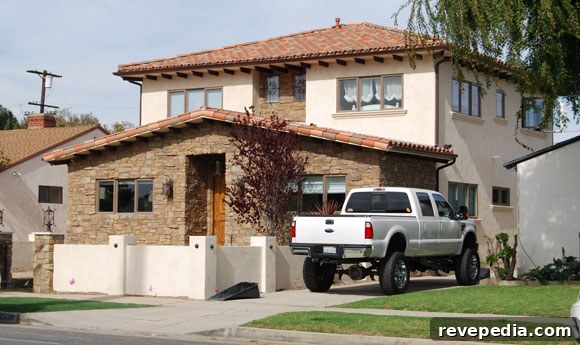
Don’t add gimmicks for the sake of design
When design elements are included purely as decoration or trend-following rather than to solve a functional need, it’s often a sign of weak planning. Minimal, well-considered choices usually outlast faddish details. Too many decorative flourishes can be a way to distract from deeper issues in layout or construction.
Watch for cutting corners
Some builders deliver attractive exteriors or showy interiors but skimp on essential components like doors, lighting, cabinetry, and hardware. Low-quality finishes and cheap fixtures save money up front but leave you with replacements and upgrades later. When evaluating a property, look beyond surface appeal and inspect the quality of materials and workmanship.
Be clear about architectural style
Every home has a style—Craftsman, Colonial, Modern, Ranch, etc.—and a well-executed house generally follows that language consistently inside and out. If a house mixes incompatible styles haphazardly or you can’t tell what style it is at all, that can signal poor design decisions. If you prefer a cohesive aesthetic, avoid homes that appear uncertain about their architectural identity.
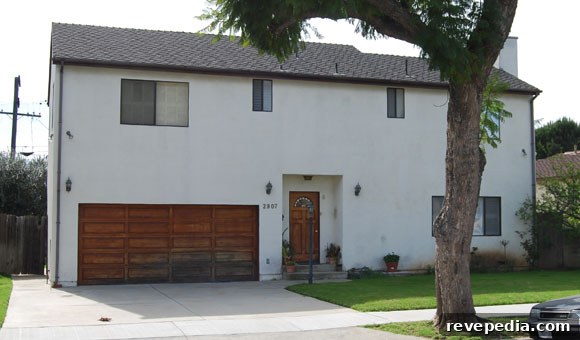
Consider the neighborhood context
Look at nearby homes before committing. If you live in a street of 1930s bungalows but a neighboring lot now hosts a stucco two-story that stretches to the property lines, you’re seeing a mismatch that can undermine the character and scale of the neighborhood. Even if a new home is stylish on its own, poor fit with surrounding houses can affect light, privacy, views, and property values.
Beware of awkward or thoughtless additions
Good additions either respect the existing architecture or thoughtfully modernize the home while improving flow and function. Poorly planned additions feel tacked on—rooms appended without regard for the home’s footprint, circulation, or site orientation. These can create odd interior layouts, awkward exterior proportions, and issues with natural light and access. Trust your instincts: if an addition looks like an afterthought, it probably is.
When touring homes, prioritize clarity of design, consistent material quality, and sensitivity to context. Homes that get these basics right are more likely to be comfortable, durable, and satisfying long term. If multiple warning signs appear—stylistic confusion, cheap finishes, incompatible neighbors, or clumsy additions—take a step back and keep looking. A little vigilance up front can save time, money, and disappointment later.