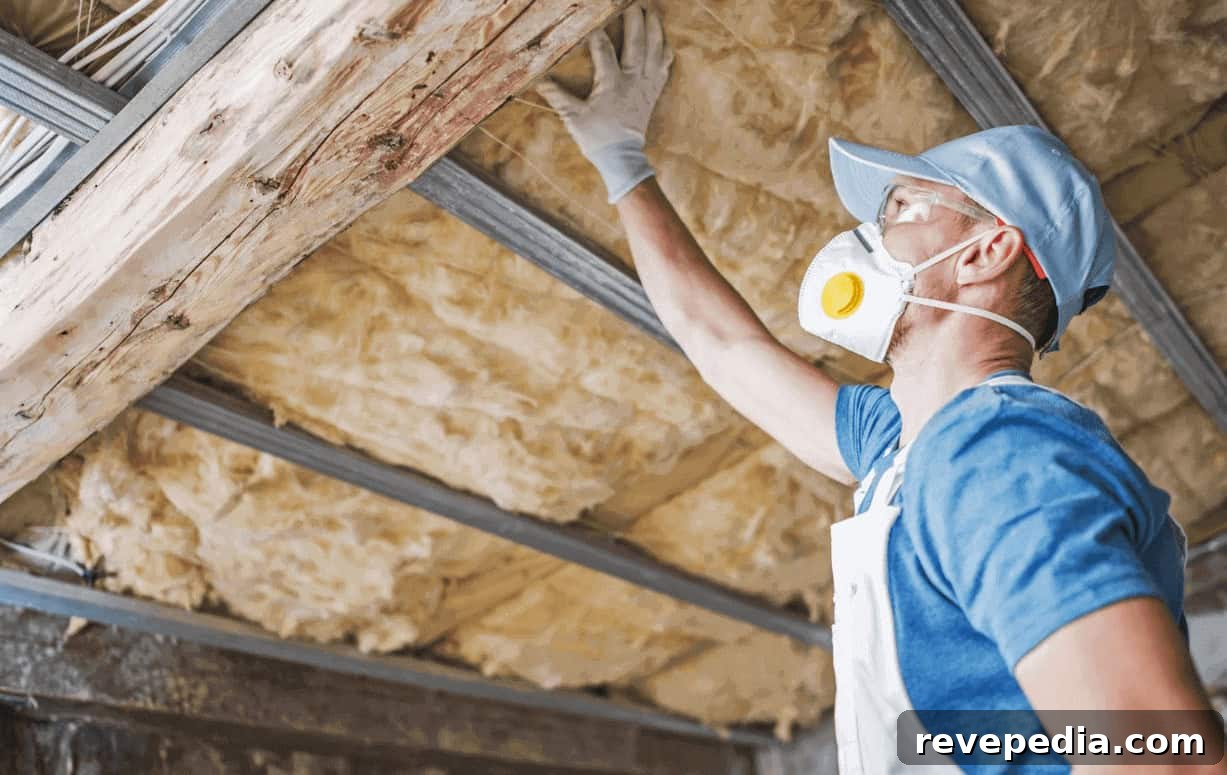
Step into an unfinished attic on a hot summer day and the difference is immediate. The heat isn’t just in the air — it’s radiating down from the roof deck above.
That distinction matters for how effectively you can control indoor temperatures and cooling costs.
Most attic heat in summer comes from radiant energy. Sunlight heats the roof surface, which in turn emits infrared radiation into the attic cavity. While conventional insulation resists heat flow through materials, it is less effective at blocking radiant heat. That’s where reflective insulation—often called a radiant barrier—can make a clear difference.
When installed correctly, reflective insulation reduces the amount of radiant heat entering the attic, lowering attic temperatures and easing the burden on your cooling system.
When you evaluate options, prioritize what drives real performance: low emissivity, correct placement, and an unobstructed air gap next to the reflective surface. Foil-based reflective products typically work by reflecting radiant heat away from the attic rather than absorbing and conducting it through to the living space.
Why Roof Spaces Collect So Much Heat
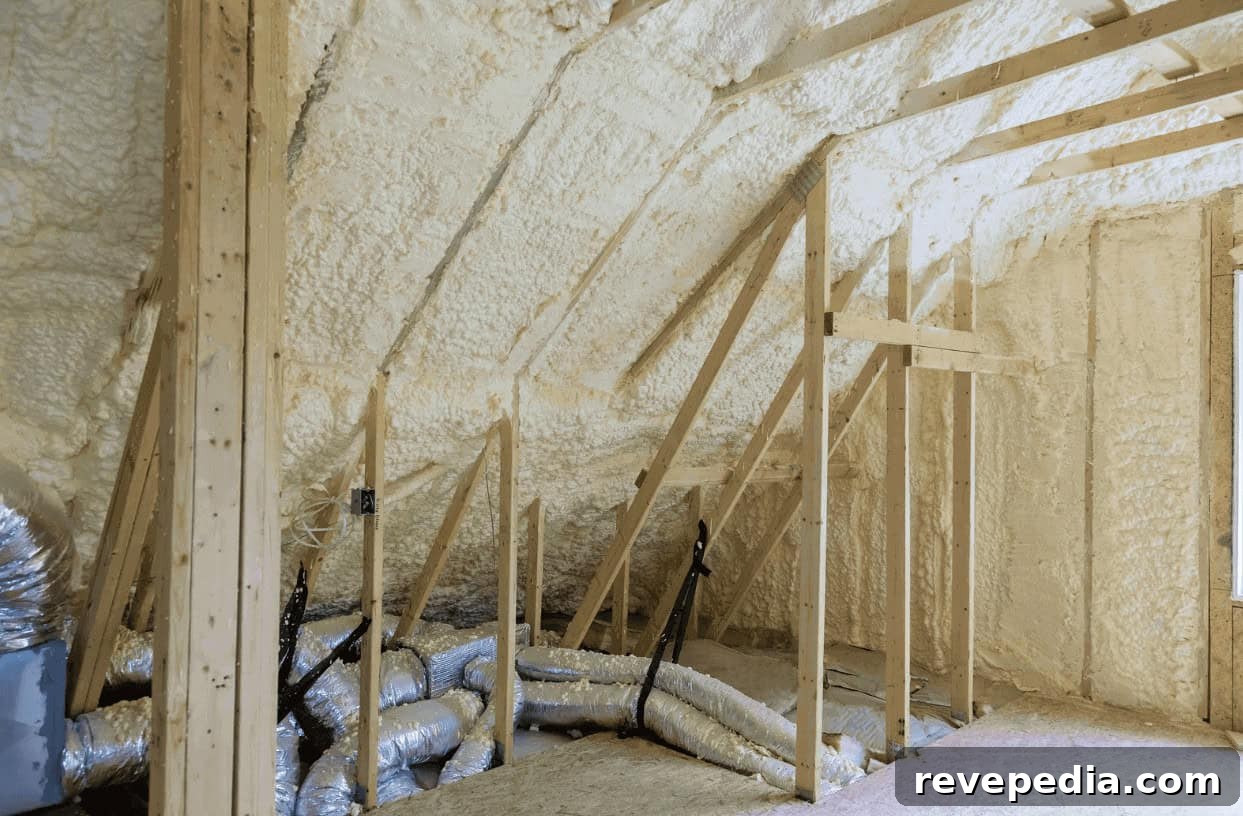
Radiant Heat Dominates in Summer
On a sunny day, roof surfaces can exceed 150°F depending on color, material, and ventilation. That hot roof deck becomes a powerful source of radiant heat into the attic.
Heat transfers in three primary ways:
- Conduction through solid materials
- Convection through moving air
- Radiation from hotter surfaces to cooler ones
In many hot attic spaces, radiation is the dominant mode. The heated roof radiates energy toward insulation, framing, ductwork, and the attic floor. Materials like fiberglass or cellulose slow conduction and reduce convective heat flow, but they don’t block radiant energy effectively. Reflective insulation fills that gap by addressing the radiative component directly.
How Reflective Insulation Works
Low Emissivity Reflects Radiant Heat
The essential property behind reflective insulation is low emissivity. Shiny aluminum foil or metallized surfaces emit very little radiant energy compared with hotter surfaces, so much of the heat striking them is reflected back toward the roof instead of being transferred into the attic.
Think of it as a mirror for infrared energy: by reflecting radiant heat, the reflective surface reduces the net heat flow into the attic.
The Air Gap Is Critical
Reflective insulation only performs effectively when it faces an open air space. If the foil is installed tight against another solid material, its ability to reduce radiant heat exchange is significantly reduced. The air gap allows the reflective surface to intercept and reflect radiation instead of allowing it to conduct through adjacent layers.
For that reason, proper installation and preserving the required cavity or clearance are as important as the material itself.
Where Reflective Insulation Fits in a Roof System
It Works Best With Bulk Insulation
Reflective insulation complements rather than replaces traditional bulk insulation. Materials like fiberglass batts, blown cellulose, or spray foam provide thermal resistance against conduction and reduce convective air movement. A radiant barrier adds a separate benefit by cutting radiant heat transfer from the hot roof deck.
Combining both approaches often delivers the best results. For example, ducts routed through a hot attic pick up heat from surrounding air; lowering attic temperatures through a radiant barrier can reduce duct heat gain and keep conditioned air cooler as it reaches living spaces.
Climate Makes a Difference
Reflective insulation offers the greatest performance in hot, sunny climates where roof surfaces are frequently very hot. In cooler regions, the energy savings are typically smaller. If your primary problem is heat loss during winter or uncontrolled air leakage, you may achieve better results with air sealing and increased R-value from bulk insulation.
Choosing the right solution depends on local climate, roof orientation, attic ventilation, and how the attic is used.
Installation Details That Affect Performance
Even a high-quality reflective product will underperform if installed incorrectly. Pay attention to these basics:
- Maintain continuous ventilation paths from soffit to ridge where required.
- Preserve the required air space adjacent to the reflective surface—this gap enables the reflective action.
- Overlap and secure seams properly to prevent bypassing of radiant energy.
- Keep reflective material clear of recessed lights, chimneys, heating vents, and other heat sources to avoid safety issues.
- Follow manufacturer instructions and local building codes for attachment, clearance, and fire safety requirements.
Dust accumulation can degrade reflectivity over time, so good attic ventilation and periodic inspection can help sustain long-term performance.
Reflective Insulation Is Part of a Larger Strategy
Lowering attic temperatures with a radiant barrier helps, but it’s not a cure-all. Significant energy savings require treating the attic as a complete system. Address air leakage, duct integrity, insulation levels, and ventilation together for the best outcome.
- Seal air leaks around plumbing vents, chimneys, and wiring penetrations.
- Repair and insulate ductwork to reduce conditioned air loss and heat gain.
- Ensure adequate levels of bulk insulation on the attic floor or roof deck as appropriate.
- Verify that ventilation is functioning properly to remove moisture and limit dust buildup.
With air movement controlled and appropriate R-values in place, managing radiant heat becomes much more effective and predictable.
The Bottom Line
Reflective insulation influences attic temperatures by targeting radiant heat—the dominant source of attic heat gain in warm weather. Its effectiveness depends on three essential factors:
- Low emissivity of the reflective surface
- Proper installation with required clearances and seams
- An unobstructed air gap next to the reflective face
When installed correctly, used in the right climate, and combined with adequate bulk insulation and thorough air sealing, a radiant barrier can reduce attic heat load, lower cooling energy use, and improve comfort inside the home.
If your attic feels like an oven during summer, radiant heat is likely a significant contributor. Reflective insulation can be a practical and effective tool to control that heat—when it’s installed as part of a well-designed roof and attic system.