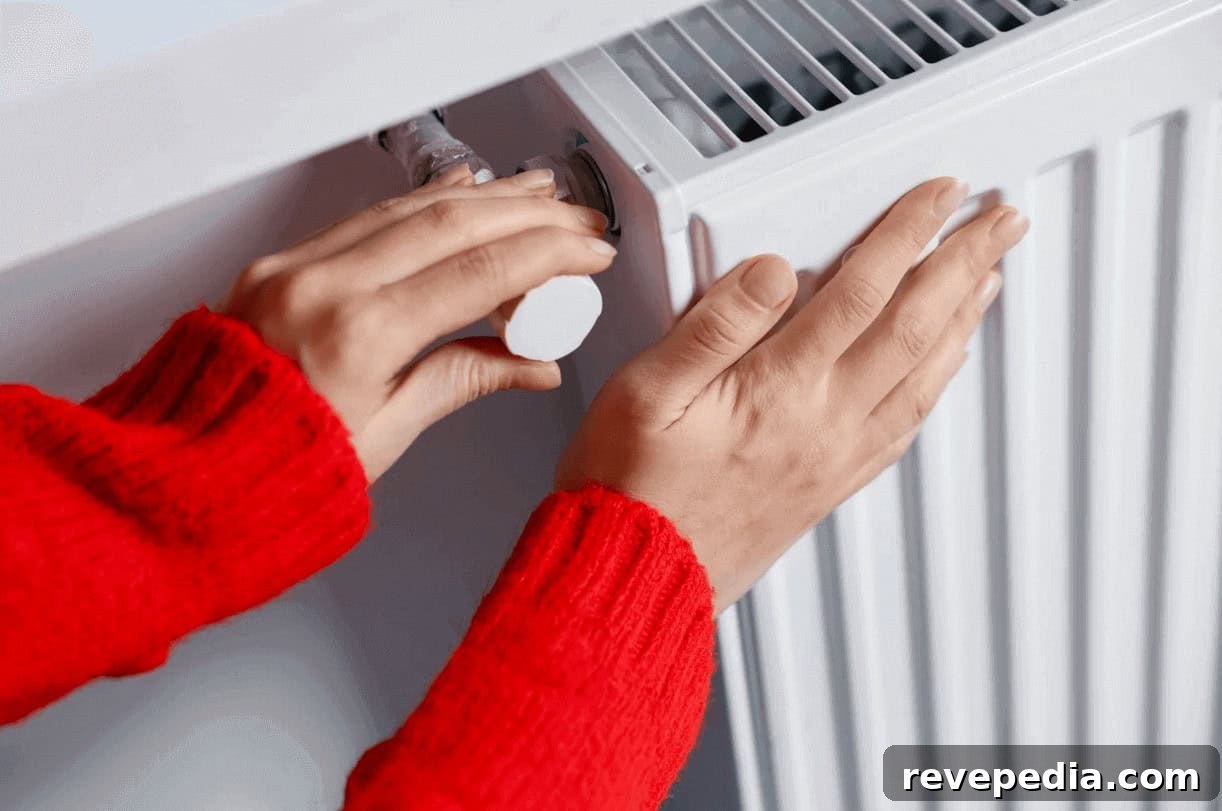
Older homes often have a lot of character — and particular heating challenges. High ceilings, drafty windows, thick walls, and uneven insulation can make rooms feel inconsistently warm. One often-overlooked factor is the radiator’s shape: its design strongly influences how heat moves through a space. Choosing the right radiator can improve comfort and reduce energy use.
How Radiators Heat a Room
Radiators warm a room in two main ways: convection and radiation.
- Convection circulates warm air. Air next to the radiator heats, rises, and draws cooler air in to replace it, creating a flow that distributes warmth.
- Radiation transfers heat directly from the radiator’s surface to nearby objects and surfaces — walls, floors, and furniture — which then warm the surrounding air.
Most radiators rely on both convection and radiation to some degree. The balance between them depends on the radiator’s size, shape, and placement — factors that matter even more in older houses with taller rooms and variable insulation.
Horizontal vs Vertical Radiators in Older Homes
Radiator shape changes the way heat spreads through a room. In older homes, the difference can be noticeable.
Here are the most common radiator styles and how they influence heat distribution.
Horizontal Radiators
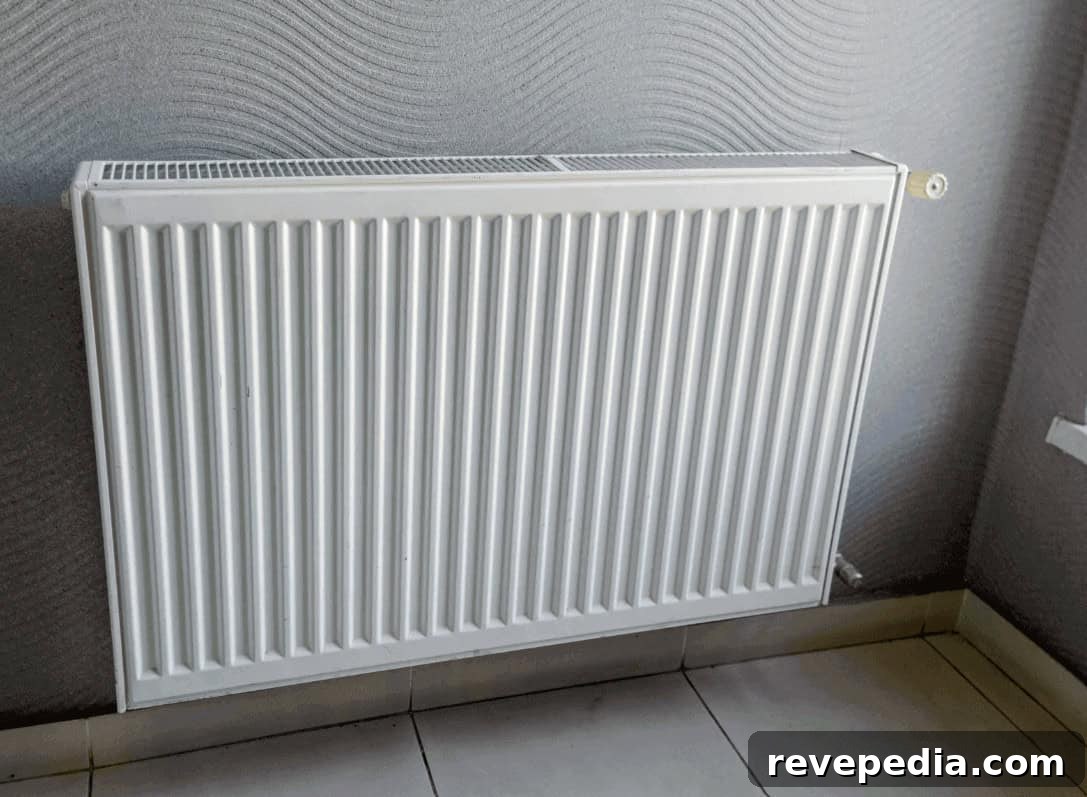
Horizontal radiators are the traditional design in many older properties. They are wide and low on the wall, often installed beneath windows.
Their broad surface area radiates heat across a wide horizontal band, warming walls, floors, and nearby furniture. This can be effective for tempering cold from exterior walls and windows.
However, in rooms with high ceilings, warm air from a low horizontal radiator can rise and accumulate near the ceiling, leaving the lower living space cooler. Horizontal radiators perform best in rooms with standard ceiling heights and good insulation.
Vertical Radiators
Vertical radiators are tall and slim, taking up less horizontal wall space. They’re a popular choice where floor-to-ceiling height is generous or where wall width is limited.
Their increased height encourages stronger upward convection: warm air travels up the tall surface, drawing cooler air in at the base and improving air circulation from floor to ceiling. This makes vertical radiators especially useful in rooms with high ceilings or where improved vertical airflow can reduce cold spots.
They also free up wall space for furniture and decor, and many modern vertical units combine effective heat output with a contemporary look that suits renovation projects.
Column Radiators
Column radiators are made of several vertical sections joined together and are common in older and period homes.
The multiple columns increase surface area and promote both radiant heat and convective airflow through the gaps. Column radiators provide a traditional appearance while delivering solid heat distribution and work well where both style and performance matter.
How Radiator Shape Affects Heat Distribution in Older Homes
Shape and placement determine how evenly a radiator distributes warmth. In older homes with tall ceilings or drafts, heat often rises and stays near the ceiling while the living area remains cool. Choosing the right radiator and siting it thoughtfully can reduce that effect.
Horizontal Radiators and Heat Spread
Horizontal units push heat across a wide section of wall and are effective at warming adjacent surfaces. Placing them under windows can counteract drafts and reduce temperature differences near exterior walls. But in spaces with tall ceilings, they can struggle to move warmth downward, causing chilly floors unless air circulation is improved.
Vertical Radiators and Air Movement
Taller vertical radiators generate stronger upward airflow along their length, which encourages better mixing of warm and cool air in rooms where heat otherwise pools high above the floor. They are particularly helpful in high-ceiling rooms or tight layouts where horizontal wall space is limited.
Why Placement Still Matters
Even a well-designed radiator will underperform if blocked or poorly sited. Avoid placing radiators behind large furniture or partially covering them with long curtains that trap heat. Small placement changes — raising a radiator slightly, moving furniture, or ensuring clear airflow — can significantly improve effectiveness without replacing the unit.
Practical Heating Tips for Older Homes
When updating radiators in an older home, shape is just one part of the picture. These practical steps improve heat flow and comfort right away.
1. Review the Room Layout
Consider how the room is used and where occupants spend most of their time. Place radiators to counter common cold spots — under windows or along exterior walls. In narrow rooms, a vertical radiator may free up usable wall space while improving airflow and comfort.
2. Improve Insulation First
Even the best radiator cannot compensate for poor insulation. Check for drafty windows, gaps around doors, inadequate attic insulation, and cold exterior walls. Sealing drafts and upgrading insulation often produces faster and more cost-effective results than switching heating units alone.
3. Consider Modern Controls
Many older houses still use outdated thermostats. Upgrading to smart thermostats or installing zoned heating controls lets you manage temperatures by room, reducing wasted heat and improving overall comfort. Good controls work well with any radiator shape.
4. Balance Style and Performance
Radiators are visible interior elements, so choose a shape that complements your space while meeting heating needs. Column radiators suit traditional interiors; slim vertical models provide a modern aesthetic and effective heat in tight spaces. The right choice balances appearance with function.
Planning Heating Upgrades in Older Homes
Older homes were not built to modern energy standards, so planning upgrades holistically is important. Consider radiator shape and placement together with insulation, system controls, and boiler performance. Uneven heating is often a distribution issue rather than a lack of boiler power.
In some rooms, replacing a wide horizontal radiator with a taller vertical one can improve airflow and reduce cold zones. Elsewhere, a column radiator might better combine radiant warmth and convective movement. Thoughtful choices and small adjustments can raise comfort without major renovations.
With energy costs rising, improving how heat moves inside a home is a practical and cost-effective upgrade that yields measurable comfort and efficiency gains.
The Bottom Line
Radiator shape plays a clear role in how heat distributes in older homes. Horizontal radiators spread warmth across a wall surface; vertical radiators encourage upward air movement and improved circulation; column radiators balance surface area and airflow. The optimal radiator depends on ceiling height, wall space, insulation quality, and room layout.
Understanding how radiator design affects heat flow lets you make smarter, more efficient choices — creating warmer rooms, reducing strain on the heating system, and improving overall home comfort.