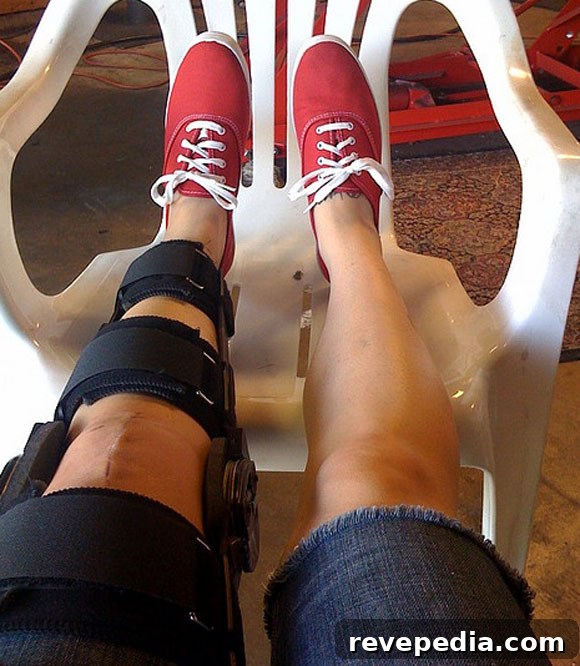
Eighteen years ago I tore the ACL (anterior cruciate ligament) in my right knee while playing football and had reconstructive surgery at the University of Arizona. I was living at my parents’ house at the time and received the medical, physical and emotional support I needed. Our home was single-story, so during the week I spent on crutches my primary responsibility was attending physical therapy.
Four years ago I tore the ACL in my left knee during a pickup lacrosse game in Hawaii. Back in New York, initial tests were inconclusive, so my surgeon scheduled an exploratory arthroscopy and planned to reconstruct the ACL if necessary. When I woke up, his words were blunt: “Your ACL was shredded, so I had to fix it.”
Recovering in New York presented different challenges. After leaving the hospital I had to get into a cab, navigate a stoop up to our front door, and climb the stairs to our apartment. When both legs are healthy you hardly notice steps, but on crutches stairs become a significant obstacle.
My partner Laura provided excellent care, and family members were able to help during that initial week. Based on that experience, here are practical observations and tips to make returning home after knee surgery safer and more comfortable—for you and the people helping you.
1. Accept help
When you’re used to doing things independently, accepting assistance can feel uncomfortable, but it’s important to be open to offers from family and friends. Don’t take advantage of others, but allow them to help with tasks that are difficult or risky. Feeling supported will also reduce stress for people caring for you.
2. Clear the pathways
Remove clutter and obstacles that could impede movement on crutches or with a knee scooter. Boxes, loose shoes, and small pieces of furniture can create tripping hazards. Give yourself wider clearances—crutches take up more room than you expect.
3. Remove or secure rugs
Area rugs and loose mats can slide under a crutch tip and cause a dangerous slip. Either remove rugs while you’re recovering or secure them with non-slip pads to prevent movement. Avoid any surface that could unexpectedly shift beneath you.
4. Keep medications and supplies within reach
Store pain medication, ice packs, bandages, compression wraps and other essentials in an easy-to-reach spot—on a side table by the couch or on a nearby shelf. Minimizing stretching, bending, or fumbling reduces pain and the risk of accidental falls.
5. Stock up on food and fluids
Prepare meals ahead of time or arrange grocery deliveries so you won’t need to cook or carry groceries. Keep water, electrolyte drinks, and favorite comfort foods within arm’s reach of your recovery spot. Staying hydrated and nourished helps the healing process and keeps energy levels steady.
Additional helpful steps include setting up a comfortable recovery area with supportive pillows and a firm chair, arranging a device charging station nearby, and planning transportation for follow-up appointments. Consider placing slippers or supportive shoes within reach for short transfers, and ask someone to help with laundry or household chores until you can manage safely.
What tips worked for you after surgery? Sharing practical ideas can make recovery easier for others facing the same challenge.
Note: the photo above does not depict my knee.