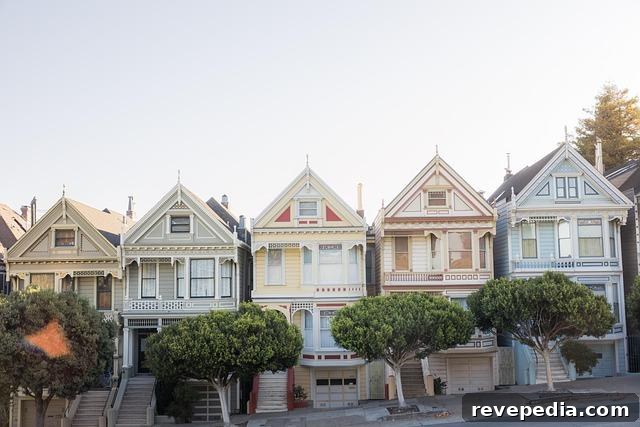
Designing one home requires planning, patience, and a clear personal aesthetic. Designing several properties while keeping them connected presents a different challenge. Many homeowners want each residence to feel distinct, yet to carry a familiar atmosphere from one place to another. Whether it’s a beach condo, mountain cabin, city apartment, or a weekend retreat, each property can serve its own purpose while reflecting a single, cohesive vision.
Design continuity allows homes to feel related without being identical. The objective is to establish a recognizable style through recurring choices in materials, colors, textures, and layouts that naturally appear across all properties. This strategy also simplifies decorating because homeowners already understand what fits their lifestyle and taste.
(photo credit: Microsoft Stock Images)
Start With a Clear Design Identity
Every consistent interior begins with a strong foundation. Homeowners who successfully translate one vision across multiple properties typically have a defined sense of what they enjoy: warm neutrals, layered natural textures, clean modern lines, vintage accents, or relaxed coastal details.
Without a central direction, properties can feel disjointed. One house might skew ultra-modern while another reads as overly traditional, causing an overall lack of cohesion.
A simple design guide helps organize ideas before shopping or renovating. It doesn’t need to be complicated: a curated palette of paint colors, preferred flooring and finishes, furniture silhouettes, and fabric swatches provide enough structure to guide decisions. Saving reference photos in one place makes it easy to compare ideas and maintain consistency across properties over time.
Repeat Materials and Textures
One of the most effective ways to create continuity is to repeat materials. Wood finishes, stone, woven textiles, and metal accents can appear across multiple homes without making each space feel like a clone.
For example, light oak flooring in one home and oak shelving in another provide different applications of the same material language. Linen curtains, matte black hardware, or textured rugs can be used in varying degrees to achieve a similar visual connection across locations.
Repeating materials establishes familiarity: entering a different property should feel like encountering a variation on the same design story, even when architecture and surroundings differ.
This approach is especially useful for owners of vacation or seasonal homes, because smaller recurring details often tie spaces together more effectively than large, statement-making items.
Let Each Location Influence the Design
Continuity is most successful when each home still responds to its environment. A lakeside cottage shouldn’t feel exactly like a downtown loft. Regional character matters because it roots interiors within their surroundings.
Rather than copying rooms directly from one property to another, adapt the same design language to suit each location. A beach house might employ lighter fabrics, breezier layouts, and coastal accents, while a mountain retreat emphasizes warmer woods, layered textiles, and a cozier palette. The overarching style remains recognizable because colors, materials, and furniture choices share common traits adapted to each context.
Keep Furniture Styles Consistent
Furniture greatly shapes how interiors relate across different homes. Consistency doesn’t mean buying identical sets for every property; it means selecting shapes, proportions, and finishes that reflect a unified taste.
If clean-lined furniture defines a homeowner’s preference, that aesthetic can be applied everywhere while adjusting scale and upholstery to suit each room. Alternatively, a preference for vintage-inspired forms and natural wood finishes can be the common thread across multiple residences.
Proportion is key. Oversized sofas that suit a suburban house may overwhelm a compact city apartment. The style can remain coherent even when dimensions and fabrics change to fit each space.
Some homeowners partner with interior designers to create cohesive plans spanning several properties. Professional guidance can preserve a consistent vision while allowing each home to develop its own personality.
Use Color Thoughtfully Across Homes
Color creates strong visual memory. Repeating a core set of hues across multiple homes strengthens continuity immediately, even when floor plans differ.
Neutral base palettes are versatile because they allow for seasonal decor shifts and flexible accent choices. Warm whites, soft grays, muted greens, sandy tones, and earthy browns are easy to carry from house to house without becoming monotonous.
Accent colors can vary by location: coastal properties may favor soft blues and sea-glass tones, while desert or mountain homes might lean into terracotta, olive, or deeper, warmer hues. The overall palette still feels connected when the colors share similar undertones or saturation levels.
Create Familiar Layout Patterns
How furniture is arranged affects comfort and use as much as style. Homeowners tend to return to layouts that support their routines; repeating those patterns across properties creates immediate familiarity.
Examples include placing reading chairs near windows, incorporating open shelving in kitchens, or arranging living rooms around conversation-friendly seating. These repeated arrangements create a rhythmic continuity without requiring identical floor plans.
Storage preferences can also remain consistent: whether a homeowner prefers concealed storage, open shelves, or built-ins, repeating those choices across homes simplifies organizing and living in each place.
Avoid Decorating Each Home All at Once
Rushing to finish multiple properties at the same time often produces hasty decisions. Design continuity develops naturally when homeowners allow spaces to evolve gradually.
Living in a space before completing its decor reveals how rooms function in daily life. This can uncover needs for more storage, different lighting, or more durable materials than initially planned.
Patience also prevents following fleeting trends that may later feel out of place. Slow, intentional decorating leads to more enduring environments focused on long-term comfort and personal preference.
Practical Ways to Maintain Design Continuity
Creating connected interiors across several homes becomes simpler when the emphasis is consistency rather than exact duplication. Small, repeated details often create stronger visual ties than dramatic matching features.
Choose a core palette of materials, finishes, and colors that can adapt to different settings. Repeat textures, hardware finishes, or furniture silhouettes across properties. Let regional character influence specific choices while preserving the overall mood. Most importantly, allow each home to develop over time instead of forcing immediate completion.
Handled thoughtfully, multiple homes can feel unified without sacrificing individuality. The result is a family of spaces that reflect the same lifestyle and personality while responding naturally to their distinct locations and purposes.
Infographic: