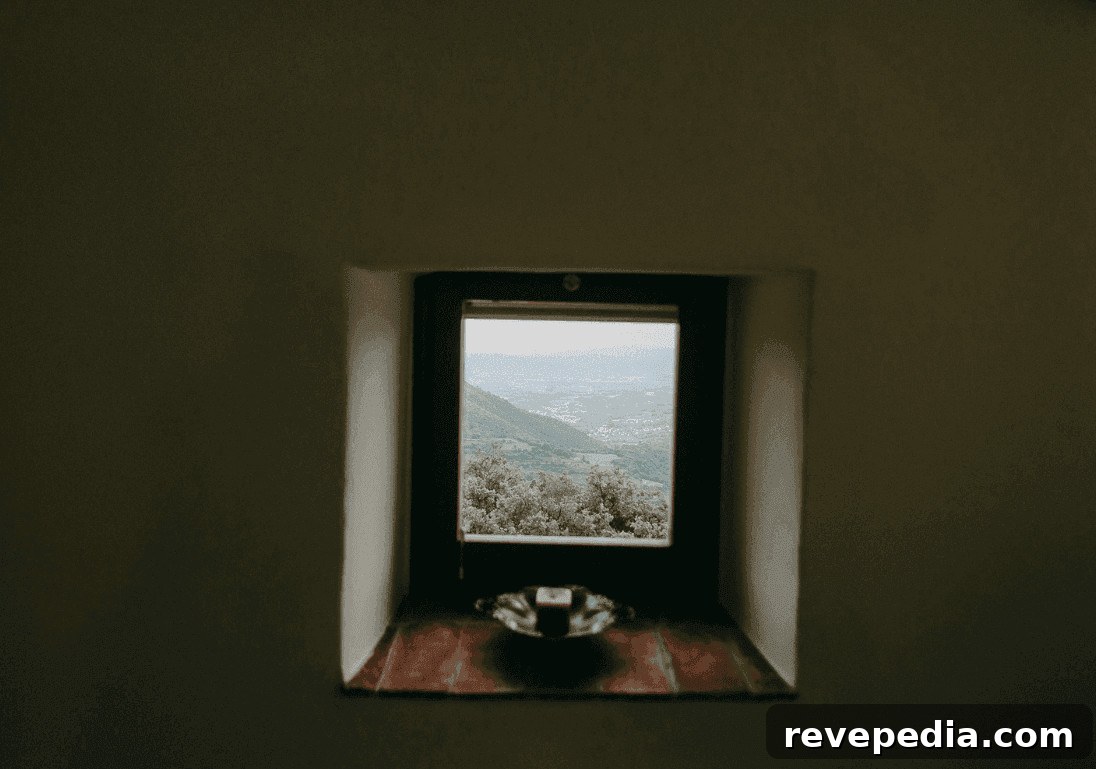
Making a property feel brighter doesn’t require costly remodels or disruptive renovations. While large-scale additions or full rebuilds can solve the problem thoroughly, they aren’t easy or inexpensive. Far simpler approaches work with the existing structure to increase the amount of daylight entering through doors and windows and ensure the light that does enter is used as efficiently as possible.
Below are practical strategies to make your rooms feel larger and brighter—some involve a fresh coat of paint, others may require a contractor—but all are designed to maximize natural light with minimal intervention.
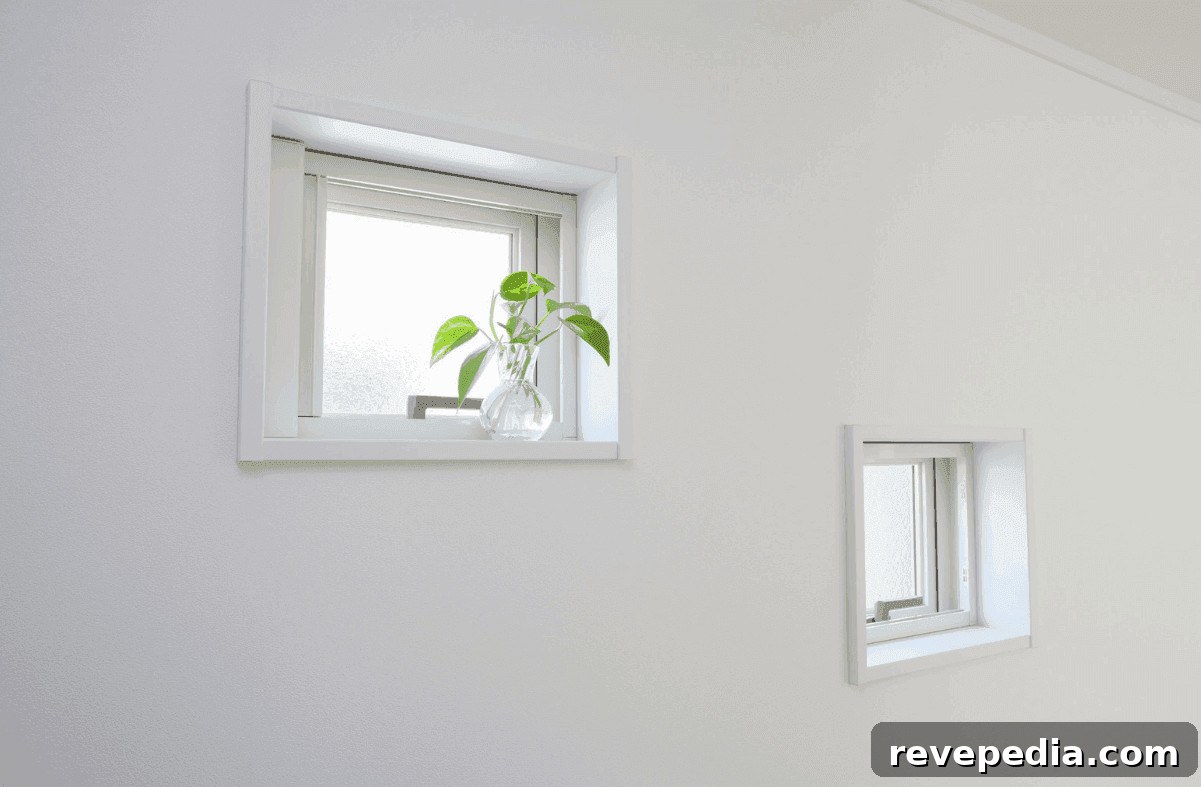
Overhead Glazing Outperforms Wall Glazing
One of the most effective changes for a dark property is introducing daylight from above. Overhead glazing—rooflights, skylights, and structural glass panels—consistently brings significantly more daylight into interior spaces than vertical windows. According to daylighting design guidelines, overhead glazing can deliver up to three times more daylight to an internal area than a vertical window with an equivalent glass area.
Top-lighting is especially effective for buildings with large floor plates or single-story structures with flat roofs, where a horizontal opening captures light from a broader portion of the sky. A vertical window receives light from a comparatively narrow angle, while a roof aperture catches light across a much wider arc, increasing the total daylight admitted.
For homes with flat roofs or loft conversions, a combination approach is often best. Glazed roof hatches, for example, serve two functions: they provide a safe, convenient way to access the roof and act as full-performance skylights, channeling natural light down into stairwells, landings, and upper rooms that might otherwise be dark. In short, they are both access hardware and daylighting devices.
Create Borrowed Light Pathways Through the Building
When outer rooms get plenty of daylight but interior rooms remain dim, solid partition walls are usually the culprit. Borrowed light strategies address this directly: replacing a solid partition with a glass divider, a steel-framed glazed screen, or a fully glazed door lets light flow from a bright room into an otherwise dark one.
Open-plan layouts achieve a similar effect by removing barriers to daylight. Where full openness isn’t practical, fixed transom windows above doorways allow a significant amount of light to transfer between rooms while maintaining separation. When natural light is limited, well-placed recessed lighting can supplement borrowed daylight and maintain an even brightness throughout the home. Equally important are reflective surfaces: the farther light must travel from its source, the more critical it is that walls and ceilings reflect rather than absorb it.
Use Material Choices to Amplify Available Light
Light Reflectance Value (LRV) is a scale from 0 to 100 that measures how much light a paint color reflects back into a room. It’s one of the most effective, often overlooked tools in renovation planning. Many interior whites fall in the 60–75 LRV range; choosing paint with higher LRV and using satin or semi-gloss finishes for woodwork and trim helps incoming light travel farther before being absorbed.
Ceilings play a disproportionately important role. A ceiling painted with a high-LRV white becomes a passive reflector, bouncing daylight entering from overhead or at an angle back into the room. This is particularly beneficial in spaces with rooflights, where the ceiling is one of the first surfaces daylight encounters.
Mirrors and reflective surfaces also help, but placement matters. A large mirror positioned opposite or perpendicular to a light source—rather than on an adjacent wall facing a dark area—can visually double a room’s depth and redistribute light more effectively into its interior.
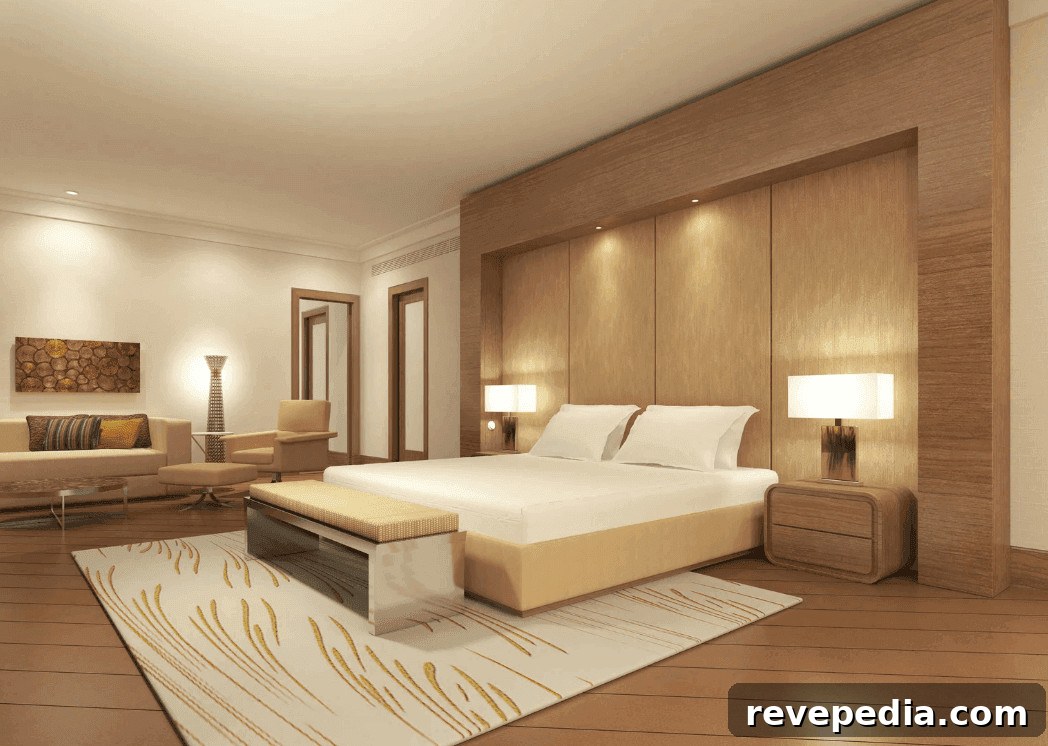
Architectural Options for Windowless Rooms
Certain spaces—basements, internal bathrooms, stairwells, or mid-terrace rooms with no external exposure—cannot accommodate conventional side windows. Two practical architectural solutions for these spaces are solar tubes and lightwells.
Solar tubes, or light pipes, use a highly reflective internal tube to channel daylight from a small rooftop dome down through the building into a ceiling diffuser. Unlike full skylights, they can carry light two or three floors down, making them an excellent choice for sealed spaces deep within a building.
Lightwells are open vertical shafts either built through the structure or attached to the building’s side, allowing natural light and air to reach lower levels. Constructing a lightwell is more invasive and costly but delivers much higher daylight levels than tube-based systems. Which solution is appropriate depends on the building’s configuration and your budget, but in both cases the principle is the same: look up through the ceiling as well as out through the walls to find the best path for daylight into interior spaces.