
Outdoor electrical outlets provide convenient and safe access to power for backyard activities, garden tools, entertainment systems, and seasonal equipment. Proper planning and adherence to electrical safety standards are essential to ensure long-term reliability and protection against changing weather. Understanding the basics before beginning the work reduces risks and improves the final result.
Installing outdoor outlets involves more than simply placing sockets on an exterior wall. It requires selecting weather-resistant materials, ensuring proper grounding, and following local electrical codes designed for exterior installations.
Many homeowners choose to hire a qualified residential electrician to ensure upgrades are current and safe, particularly in homes with older wiring systems.
Planning Backyard Power Layout
Careful planning of outlet locations is a key first step in any outdoor electrical project. The layout should reflect how the yard will be used—outlets for cooking and outdoor kitchens, landscape lighting, power for lawn and garden equipment, and connections for audio-visual systems or holiday lights. Position outlets where they are easily accessible but protected from the elements and physical damage.
Consider the distance to the main electrical panel and existing circuits that may supply the new outlets. Choosing locations close to existing power sources can reduce the wiring run, lower material and labor costs, and limit disturbance to finished surfaces inside and outside the house.
Selecting Outlet Locations Safely
Choose locations that avoid flood-prone areas, heavy sprinkler coverage, and places where snow accumulates. Mounting outlets on exterior walls beneath eaves, under covered patios, or within recessed enclosures offers additional protection and extends the service life of the installation.
Ensure clear access for plugging in devices without creating trip hazards or requiring long extension cords. If you are unsure about placement, load requirements, or local rules, consult a licensed electrician to evaluate site suitability and confirm compliance with regional electrical codes.
Understanding Outdoor Electrical Requirements
Outdoor electrical systems must be designed to resist moisture, corrosion, and temperature extremes. Requirements typically include ground-fault protection, weatherproof enclosures, and appropriately rated wiring and components for exterior use.
Most local codes mandate ground fault circuit interrupter (GFCI) protection for all exterior outlets. GFCIs reduce the risk of electric shock in wet or damp outdoor conditions and are a fundamental safety feature for any outdoor power point.
Power Shutoff and Protection Measures
Before starting any installation, turn off the circuit at the breaker panel and verify that the circuit is de-energized. Confirming the absence of voltage is a critical safety step that should never be overlooked.
Use insulated tools, wear proper safety gear, and perform work in dry conditions whenever possible. Licensed electricians typically follow lockout/tagout procedures to prevent accidental re-energizing of the circuit while work is in progress.
Choosing Weather-Resistant Components
Use components made specifically for outdoor exposure: weatherproof outlet boxes, corrosion-resistant fasteners, and covers that form a tight seal when not in use. These parts prevent moisture entry and reduce the likelihood of electrical faults.
High-quality materials increase longevity and lower maintenance needs. Consider spring-loaded or self-closing weatherproof covers for added protection during heavy rain or snow.
Preparing Tools for Installation
Gather the right tools before starting to improve efficiency and reduce errors. Common tools include wire strippers, screwdrivers, voltage testers, drills, and appropriate fasteners and sealants. Using the correct tools helps create reliable connections and secure mounting.
Ensure all materials match the electrical load requirements for the planned outlets. Undersized components can overheat or fail, creating costly repairs and safety hazards down the line.
Running Electrical Cable Outdoors
When routing outdoor wiring, protect cables from physical damage, moisture, and pests. Conduit is commonly used to shield wiring and ensure longevity. Plan routes to minimize impact on landscaping and structures.
Install underground cable at the proper depth and fasten exterior runs securely. For complex installs or where code-required conduit and cable types are necessary, hire a residential electrician to ensure work meets safety standards and local regulations.
Mounting Outdoor Electrical Boxes
Securely mount outdoor electrical boxes to stable, flat surfaces to prevent movement and maintain weather resistance. Proper mounting makes it easier to seal connections and keeps the outlet aligned for safe use.
Seal all openings after installation to prevent water intrusion, which can lead to shorts or corrosion. Proper sealing preserves functionality and safety over time.
Installing and Sealing Outlets
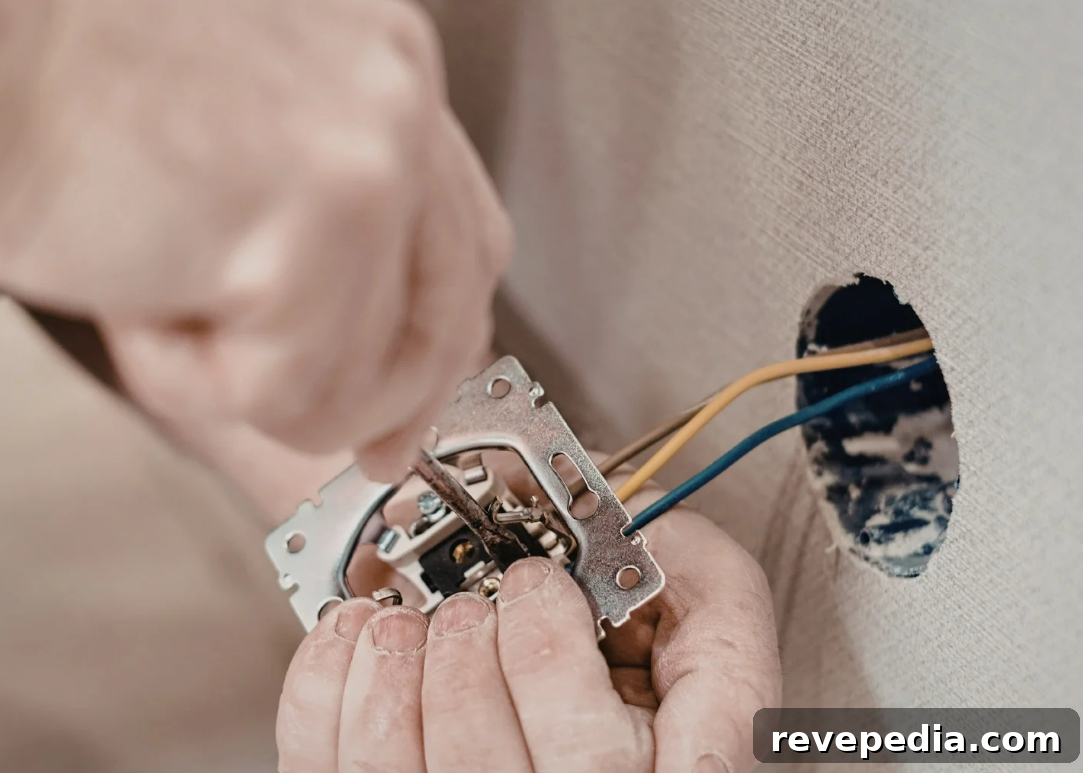
Wire and install outlets according to accepted electrical practices. Make tight, well-insulated connections to minimize resistance and reduce overheating risk.
Install weatherproof covers and use gaskets or sealants where required to create a protective barrier against moisture and debris. These measures help the outlets withstand seasonal weather changes.
Testing and Long-Term Maintenance
After installation, test the system with a voltage tester to confirm correct operation and verify that GFCI protection functions properly. Periodic testing ensures the outlet trips when required and maintains user safety.
Long-term maintenance includes inspecting covers, checking for corrosion, and confirming that outlets remain securely fastened. Routine checks help extend the life of the system and keep backyard electrical use safe.
Conclusion
Properly installed outdoor electrical outlets improve backyard functionality while providing safe, reliable power for tools, lighting, and entertainment. Success requires careful planning, quality materials, and compliance with electrical standards.
When projects become complex or when older wiring is involved, engaging a licensed residential electrician is a smart choice. Professional guidance ensures installations meet local codes and deliver long-term safety and performance.