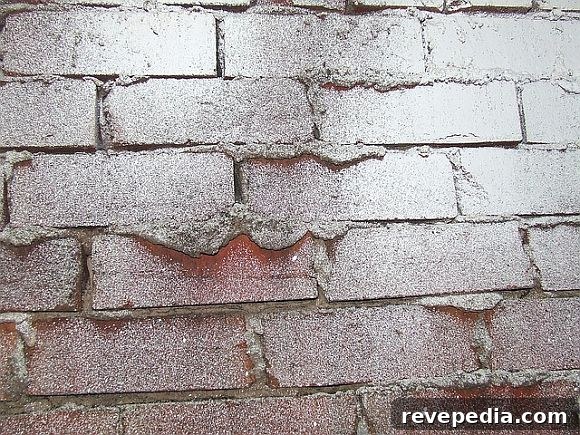
Removing paint from brick can be challenging. Standing before the exposed brick in my loft, it’s hard to imagine wanting to cover its natural texture and color with paint. Still, when you need to restore painted brick to its original appearance, using the right technique will protect the masonry and deliver the best results.
Before you begin, assess the brick and mortar for cracks, loose material, or previous repairs. Older bricks and softer mortars are more vulnerable to aggressive treatments, so extra care is important. Always work in a well-ventilated area, wear gloves and eye protection, and follow the manufacturer’s instructions on any chemical products.
Step-by-step method for removing paint from brick
1. Choose a gel- or paste-based paint remover formulated for masonry. These products cling to vertical surfaces, allowing the active ingredient to penetrate and soften the paint without running off and pooling at the base.
2. Test first. Apply the remover to a small, inconspicuous area and wait the recommended time to ensure it lifts the paint without harming the brick or mortar.
3. Apply the product. Using a brush or a putty knife, spread the gel evenly across the painted surface. Work in manageable sections so the product stays effective while you’re working.
4. Cover with fabric strips or plastic sheeting. Press old cotton cloths or recommended cover material onto the treated surface. As the paint softens, the gel will transfer into the fabric, pulling pigment away from the pores of the brick.
5. Remove the coverings and lift paint. After the prescribed dwell time, remove the fabric. In many cases the softened paint will come away with the cloth. For remaining paint, use a stiff-bristle brush to scrub gently—avoid metal brushes or high-pressure tools that can erode brick and mortar.
6. Rinse thoroughly. Once the paint is removed, rinse the bricks with cold water to remove residue from the chemical remover. Continue rinsing until water runs clear. Allow the wall to air dry completely before any further treatment.
Additional tips and precautions
– For large areas or stubborn finishes, repeat the process rather than resorting to harsh abrasive methods. Multiple gentle applications are safer for the masonry.
– Avoid power washing at high pressure on older brick: it can damage the face of the brick and erode mortar joints.
– If the paint has penetrated deeply or the job is extensive, consider hiring a professional experienced with historic masonry to prevent accidental harm.
– After drying, evaluate the brick’s appearance. You may choose to apply a breathable masonry sealer to protect the surface; avoid non-breathable products that can trap moisture and damage the wall over time.
Have you tried this approach?
If you’ve removed paint from brick before, what worked for you? Share your experience and any tips you discovered along the way. Many successful results come from patience, careful testing, and using products designed specifically for masonry, combined with gentle mechanical action like stiff brushes and cloth removal.
Photo courtesy of pareeerica