All-wheel drive (AWD), four-wheel drive (4WD), and two-wheel drive (2WD) describe how a vehicle’s engine power is delivered to its wheels. Each drivetrain has distinct strengths and weaknesses that make it more or less suitable for specific weather and terrain—snow, rain, mud, and sand. Below is a clear, practical comparison to help you understand how these systems perform and which one is best for different driving conditions.
All-Wheel Drive (AWD)
AWD systems send power to all four wheels, usually distributing torque between the front and rear axles automatically. Many modern AWD systems can vary torque distribution depending on traction needs, improving stability and grip on slippery or uneven surfaces. AWD is especially useful for mixed driving—city streets, highways, and occasional light off-road use—because it enhances handling and reduces the likelihood of wheel slip without driver intervention.
Four-Wheel Drive (4WD)
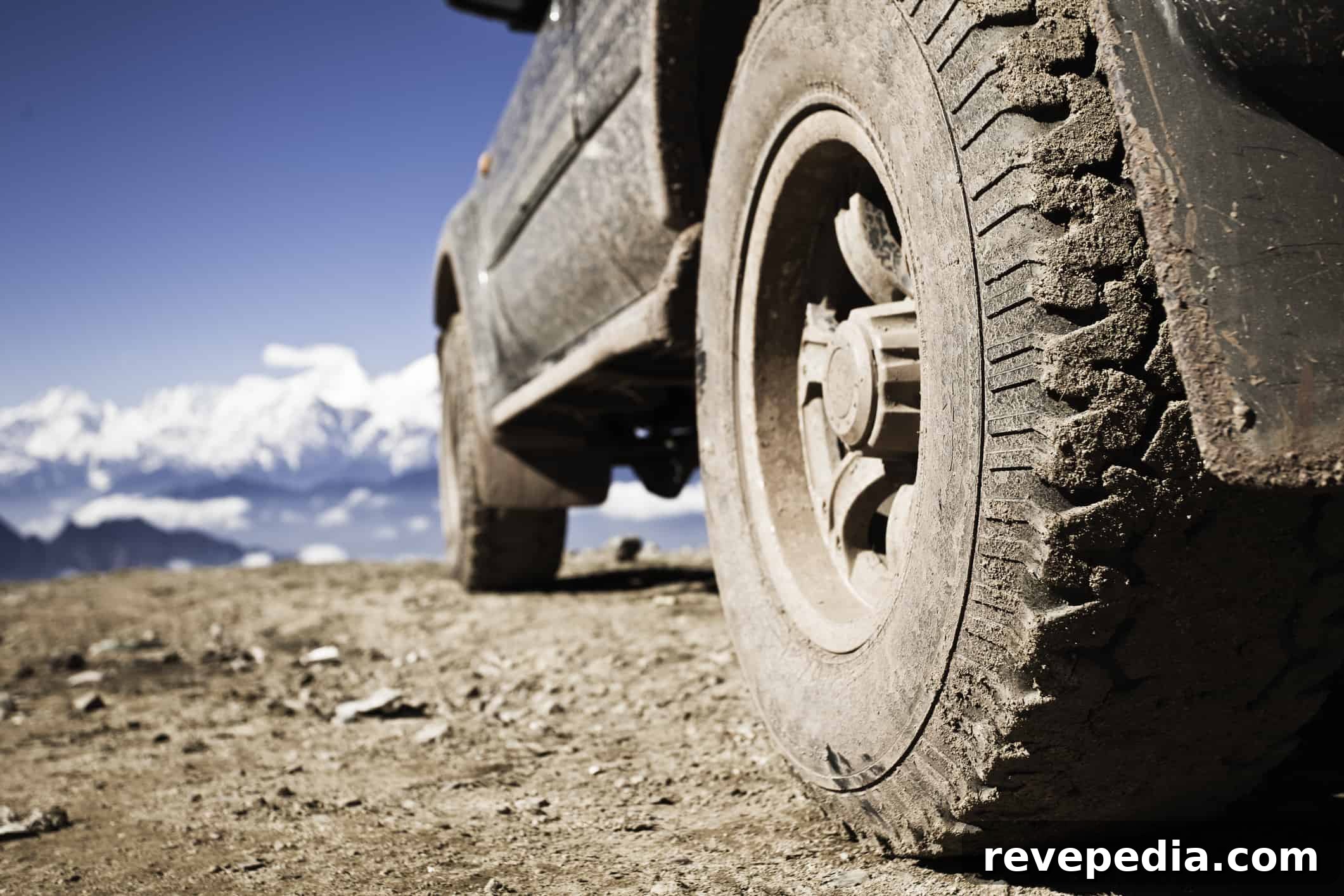
4WD is commonly found in trucks and dedicated off-road vehicles. Typically, 4WD engages all four wheels simultaneously and often includes selectable modes and a low-range gear for crawling over very rough terrain. This setup delivers strong traction for off-road obstacles, steep climbs, deep ruts, mud, and loose surfaces. Because many 4WD systems are designed for rugged use, they can be manually locked for maximum traction, but they may be heavier and less fuel-efficient on regular roads.
Two-Wheel Drive (2WD)
In a 2WD vehicle, engine power goes to either the front or the rear wheels only. Front-wheel drive (FWD) is common in passenger cars for efficient packaging and predictable handling, while rear-wheel drive (RWD) is typical for many trucks and performance cars. 2WD vehicles are often more affordable, lighter, and more fuel-efficient than AWD and 4WD models. However, they offer less traction in slippery or very loose surfaces, making tire choice and driving technique more important in adverse conditions.
How do these drivetrains compare across common adverse conditions? Here are practical recommendations based on typical usage:
Snow
AWD and 4WD generally outperform 2WD in snowy conditions because power to all four wheels reduces the chance of losing traction. AWD offers a convenient, automatic improvement in grip for everyday winter driving—commuting and highway travel—while 4WD offers superior control when navigating deeper snow or off-pavement winter routes. Regardless of drivetrain, winter tires greatly improve safety and control in snow.
Rain
AWD provides enhanced traction on wet roads by balancing torque between axles and helping prevent wheel slip. That said, a well-maintained 2WD vehicle fitted with good all-season or rain-focused tires can perform very well in rainy conditions. Proper tire tread and cautious driving remain the most important factors for wet-weather safety.
Mud
For muddy terrain, 4WD is typically the best option because it provides the strong traction and torque distribution needed to power through soft, uneven surfaces. The ability to lock differentials and use low-range gearing can be critical in deep or sticky mud. Even so, 4WD can still get stuck in very deep or boggy conditions, so careful route selection and recovery equipment are advisable for serious off-road excursions.
Sand
4WD is generally preferred for sandy terrain, especially when driving over dunes or loose coastal sand. Low-range gearing and the ability to maintain momentum while distributing power to all wheels help reduce the chance of becoming bogged down. Airing down tires to increase contact area and keeping steady throttle work together with a 4WD system to improve flotation on sand.
In summary, the ideal drivetrain depends on how and where you drive. AWD offers convenient, automatic traction benefits for mixed and everyday driving in variable conditions. 4WD is the best choice for demanding off-road situations, deep snow, mud, and sand where selectable gears and locking features matter. 2WD remains an economical and efficient option for drivers who stick mainly to paved roads and who equip their vehicles with appropriate tires for seasonal conditions. Whatever drivetrain you choose, proper tires, thoughtful driving technique, and regular vehicle maintenance are essential to maximize safety and performance.