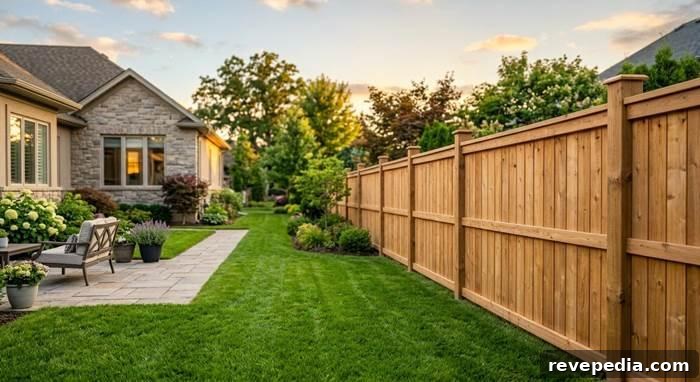
A fence built on a solid plan – confirmed property lines, proper post depth, and no buried surprises
Most fence projects begin the same way: you get a quote, price materials, watch a few how-to videos, pick a Saturday, and start digging. The physical work feels like the hard part, but the costly mistakes usually happen before the first hole is dug.
Skipping permits, assuming property lines, or digging through an unmarked utility line are common errors that can lead to expensive repairs, forced removals, or dangerous incidents. These problems are avoidable, but they are often overlooked. Below are the essential steps to get right before you buy posts or spread concrete.
Don’t Skip Utility Locating Services Before Digging Post Holes
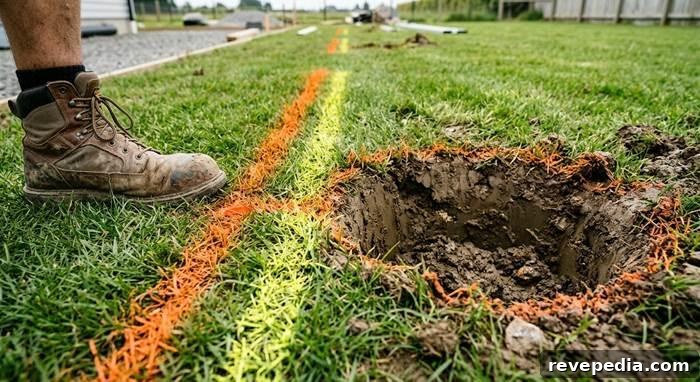
Color-coded paint marks indicate public utility lines, but private services like irrigation, outdoor lighting, and propane usually require a separate locating service
Post holes typically go two to three feet deep — exactly where gas lines, water mains, electric cables, and telecom conduits run. Striking one of these lines can be costly and dangerous. Calling 811 or your local utility notification service before digging is free, legally required in many places, and essential: it dispatches locators who mark public utilities with color-coded paint.
National and regional data show a strong correlation between utility strikes and projects where 811 was not contacted. Repair costs from such incidents can average several thousand dollars and, in worst-case scenarios, reach tens of thousands. Because 811 covers only public utilities, private lines — irrigation, low-voltage landscape lighting, propane runs, and older undocumented wiring — will not be marked. For those, hire a professional private-locate service to inspect the site before you dig.
Start With the Survey, Not the Shovel
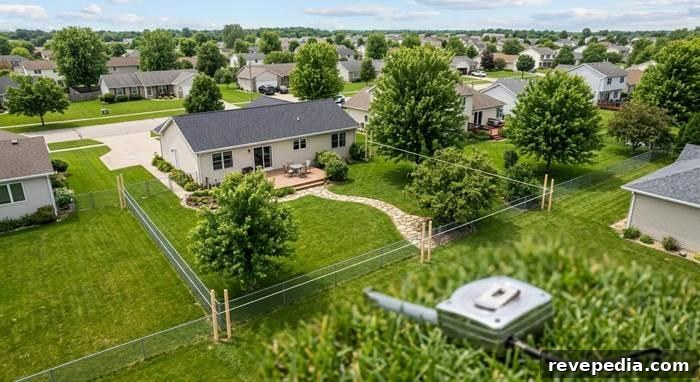
Confirming property lines before buying materials is the step most homeowners skip — and the most expensive one to skip
Homeowners commonly assume they know exactly where their property line lies, but small errors can become big problems. A fence installed even a few inches over the line sits on your neighbor’s property and can lead to disputes, removal orders, or expensive rebuilds. To avoid this, pull your deed and plat from county records or check your local GIS parcel viewer. If anything is unclear, hire a licensed surveyor to mark the boundary before buying materials or setting posts.
Permits are equally important. Many municipalities require permits for fences over a certain height, typically around four feet, and front-yard fences often have stricter setback rules. Permit fees commonly range from modest to a few hundred dollars. Skipping the permit can result in fines, an order to take the fence down, and potential complications with insurance claims. Homeowner association (HOA) rules can also restrict fence height, materials, and placement, so check both municipal and HOA rules before you begin.
The Materials Mistake: Buying Before You Plan
Selecting fence materials purely on appearance often leads to premature failure and higher lifetime costs. Wood, vinyl, pressure-treated lumber, and metal each have trade-offs that matter based on climate, soil, and maintenance expectations.
Wood is attractive and versatile but requires regular sealing, staining, or treatment in wet climates and termite-prone areas. Vinyl has a higher upfront cost but low ongoing maintenance and long-term durability. Pressure-treated pine is affordable and commonly used, but posts in direct ground contact can rot if not set properly. Understanding the local environment is crucial when choosing materials.
Soil conditions are frequently ignored and they matter a lot. Clay soils expand and contract with moisture, loosening posts over time. Sandy soils drain well but provide poor lateral support without adequate concrete. A reliable rule for post setting is to bury at least one-third of the post’s length, with a typical minimum of two feet in the ground. Most fence failures stem from shallow posts rather than the boards themselves. Use enough quick-set or traditional concrete to stabilize posts properly.
Gates, Grades, and the Details That Bite You at the End
Changes in grade cause more installation headaches than poor lumber. A fence that doesn’t accommodate slope can leave gaps under the panels, cause panels to hang crooked, or make alignment impossible. There are two common ways to address slope: step the fence in horizontal sections with breaks at intervals, or rack the panels so they follow the slope continuously. Pre-built kits often support one approach only, so decide on this before purchasing panels.
Gate posts require special attention because they bear dynamic loads. Posts supporting gates should be set deeper and backed with extra concrete compared with standard line posts. Hardware quality is critical: flimsy hinges and latches lead to sagging gates and malfunctioning closures within a short time. Investing in durable hardware prevents replacements and inconvenience.
Plan for accessories — lighting, address numbers, letterboxes, or mounted fixtures — during the design phase. Adding these later can require additional reinforcement, wiring, or modifications that are far easier and less costly to install while building the fence.
Layout errors are another common pitfall. Eyeballing panel spacing across a long run often results in misaligned posts and panels, even on level ground. Taking the time to set stakes, run string lines, and mark post locations with spray paint will save hours of rework. If the fence is part of a larger yard project, work through the complete yard layout in advance so paths, gardens, and hardscape elements fit together without reconfiguring the fence later.
The Fence Itself Is the Easy Part
Digging holes, mixing concrete, setting posts, and fastening boards all go more smoothly when you’ve done the preparatory work. The costly and time-consuming problems homeowners face—redoing sections, paying fines, or resolving disputes with neighbors—almost always trace back to skipped planning steps.
In short: confirm your property lines before buying a single post; call 811 and follow up with private locating for irrigation and other non-public lines; choose materials suited to your climate and soil; set posts deep with ample concrete; and account for slope, gates, and accessories in the design. Do those things and the fence you build this season has a strong chance of looking and functioning well for years to come.