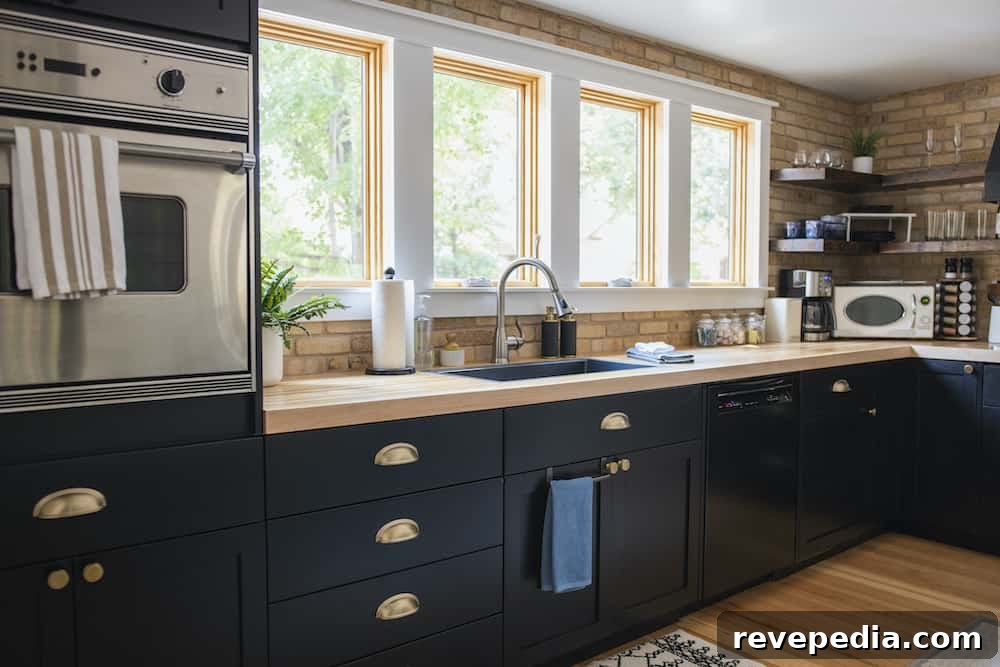

Is your kitchen feeling tired or outdated? Are cabinet surfaces chipped, worn, or simply not matching your style anymore? Painting your kitchen cabinets is an effective, budget-friendly way to refresh the room and give it a new personality without a full remodel.
This practical, step-by-step guide explains how to paint kitchen cabinets the easy way—covering cleaning, sanding, priming, painting, and replacing hardware. Follow these clear instructions to transform old cabinets into a fresh focal point and update the overall look of your kitchen with minimal expense and effort.
Whether you want a subtle update or a more dramatic change, painting cabinets unlocks a wide variety of colors and finishes so you can create a kitchen that reflects your taste. Read on to learn the most efficient approach to get professional-looking results at home.
Introduction: Why Paint Your Kitchen Cabinets
Painting kitchen cabinets is one of the most impactful, affordable upgrades you can make. A coat of paint can modernize the space, protect surfaces from wear and moisture, and extend the life of existing cabinetry. It’s also an opportunity to coordinate your kitchen’s palette with countertops, backsplash, and fixtures.
With the right preparation and materials, cabinet painting is a manageable weekend project for many homeowners. The result can feel like a full renovation without the cost and disruption of replacing cabinetry.
Preparing to Paint: What You’ll Need
Good preparation is essential for a smooth, durable finish. Before you begin, gather the necessary supplies so the job proceeds efficiently.
- Drop cloths or protective coverings
- Degreaser or mild detergent, rags, and sponges
- Painter’s tape and plastic bags for hardware
- Sandpaper (120-grit and 220-grit) and an orbital sander if available
- Deglosser (optional, for better adhesion)
- Primer formulated for wood or metal as appropriate
- Durable cabinet paint (oil-based enamel, acrylic urethane, or high-quality cabinet-grade paint)
- Brushes (angled small brush for details and larger brush or foam roller for flat panels)
- Safety glasses, gloves, and a respirator or mask if needed
If you have metal cabinets or metal details, include a metal cleaner and primer suitable for metal. Organize removed hardware in labeled bags so reinstallation is straightforward.
Step One: Clean the Cabinets
Start by removing all hardware—handles, knobs, hinges, and drawer pulls—and store them safely. Wipe down every surface with a degreaser or a mixture of mild detergent and water to remove grease, food residue, and dust. Grease is the most common cause of poor adhesion, so thorough cleaning is critical.
Avoid saturating wood; use damp cloths and then dry surfaces completely. For metal parts, use a dedicated metal cleaner and follow with a light sanding to remove oxidation. Finally, wipe with mineral spirits if recommended by the product instructions and let everything dry fully before moving to sanding.
Step Two: Sand the Cabinets
Sanding creates the right surface profile for primer and paint to bond. Use an orbital sander with 120-grit paper to remove gloss and smooth inconsistencies, moving the sander continuously to avoid gouging. Follow with 220-grit paper by hand or machine to refine the surface until it feels smooth to the touch.
For previously finished or varnished surfaces, consider using a liquid deglosser after sanding. Deglossers remove remaining sheen and can improve adhesion, especially when time is limited. Always follow manufacturer directions and allow recommended drying times before priming.
Step Three: Apply Primer
Primer is a crucial step for durability and uniform coverage. Choose a primer made for your cabinet material—wood primer for wooden cabinets or a bonding primer for slick surfaces and metal. Apply with a brush or small roller using long, even strokes, and work carefully around corners and recessed details with a small angled brush.
Allow primer to dry fully according to the label—often a few hours or overnight. If needed, lightly sand primed surfaces with fine 220-grit paper to remove any raised grain or imperfections, then clean off dust before applying paint.
Step Four: Paint the Cabinets
Select a durable cabinet paint such as oil-based enamel or an acrylic urethane formulated for cabinetry and trim. These paints resist chipping and clean easily. Use high-quality brushes and rollers: foam rollers leave a smooth finish on flat panels, while small angled brushes help with trim and edges.
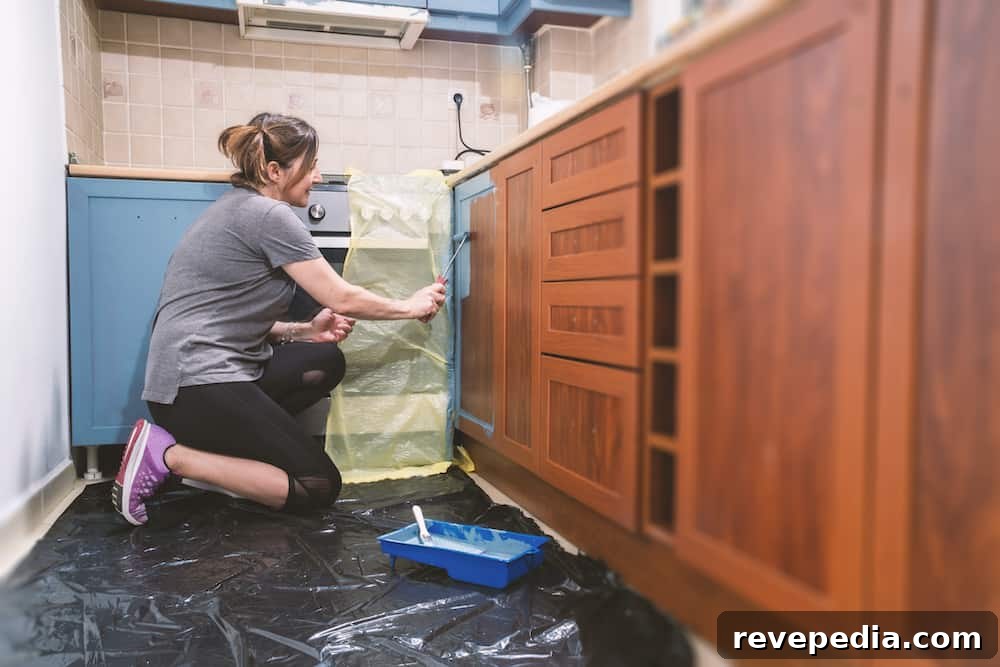
Apply thin, even coats rather than one heavy coat to avoid drips and visible brush marks. Allow sufficient drying time between coats—follow the paint manufacturer’s recommendations. Two to three thin coats usually provide full, even coverage. After the final coat, allow at least 24 hours of drying before handling; longer cure times (several days) improve hardness and resistance to wear.
Step Five: Add New Hardware
Installing new hardware is the finishing touch that completes the transformation. Choose hardware that matches your style—classic knobs, decorative pulls, or sleek modern bar pulls—and make sure it aligns with existing holes or plan for drilling new holes carefully. Measure twice and mark locations precisely to maintain symmetry.
Use the screws supplied by the hardware manufacturer, or select appropriate-length screws that won’t penetrate the cabinet face. Test a drawer and door to ensure hardware clears countertops and appliances. When everything is secure and aligned, you’ll have a polished, cohesive look.
Conclusion: A Fresh, Updated Kitchen
Completing a cabinet painting project yields a dramatic, cost-effective update that can refresh the entire kitchen. With careful cleaning, proper sanding, the right primer, and high-quality paint, you can achieve a durable, attractive finish that looks professional and lasts for years.
Beyond aesthetics, a well-executed paint job helps protect cabinet surfaces and can increase appeal if you decide to sell. Taking time for good preparation and using the appropriate materials pays off with a refined, cohesive result that revitalizes your home without a large budget.