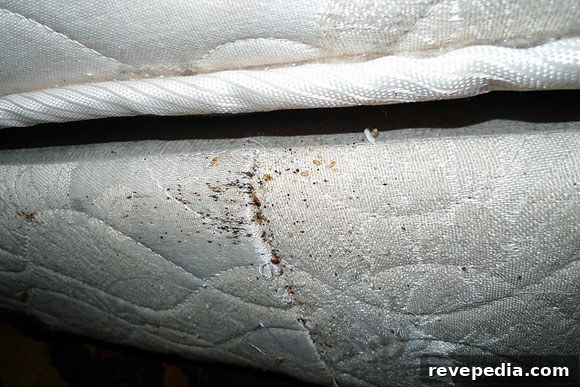
Bed bugs are an increasing problem in New York City and across the country. If you have confirmed signs of bed bugs—such as bites, live insects, or small dark droppings—you can take many effective steps yourself to control and eliminate them.
If you suspect an infestation but prefer not to search closely, consider hiring a trained bed-bug-detection dog. These dogs are trained to locate hiding places and can pinpoint where treatments are needed.
The following guidance is adapted from recommendations by the New York City Department of Health and Mental Hygiene and is written to be practical, safe, and effective.
Do you need pesticides to eliminate bed bugs?
Cleaning, removing clutter, and eliminating hiding places are the most important steps for getting rid of bed bugs. However, because nymphs (young bed bugs) can survive several months without feeding and adult bed bugs can live more than a year, pest control professionals may recommend pesticides as part of a comprehensive treatment. If a professional uses pesticides, discuss safety precautions and ensure the technician:
- Chooses the least toxic, effective products available.
- Follows label instructions and safety warnings precisely.
- Explains when treated rooms must remain vacant and when it is safe to return.
- Applies pesticides to mattress and sofa seams only, never sprayed on the mattress or sofa surface.
How can I get rid of bed bugs?
-
Locate their hiding places.
Use a bright flashlight and inspect bedroom furniture thoroughly. You can also use a hair dryer, a thin blade, an old card, or similar flat tool to coax bed bugs out of cracks and crevices.
Check these areas carefully:
- Behind headboards.
- In the seams, tufts, and edges of mattresses and inside box springs.
- Along baseboard cracks and moldings.
- Inside and around nightstands and nearby furniture.
- Window and door casings, picture frames, loose wallpaper, plaster cracks, and any clutter.
-
Clean and remove bed bug hiding places.
Follow these practical cleaning steps to kill bugs and remove eggs:
- Wash bedding, linens, curtains, rugs, and clothes in hot water and dry on the highest heat setting the items can tolerate. High heat in the dryer for 30 minutes kills many bed bugs, including items that cannot be washed, such as shoes and stuffed toys.
- For delicate items, soak in warm water with laundry detergent for several hours before rinsing and drying appropriately.
- Scrub mattress seams with a stiff brush to dislodge bed bugs and eggs.
- Vacuum mattresses, bed frames, nearby furniture, floors, and carpets—pay extra attention to cracks and gaps. After vacuuming, seal the vacuum bag or empty the canister contents into a tightly sealed plastic bag and dispose of it in an outdoor trash container.
- If bed bugs are found on a mattress, encase it with a waterproof, zippered mattress cover rated for allergens or dust mites and keep it on for at least one year.
- If a box spring is infested, seal it inside a vinyl box spring cover for at least one year; if no cover is available, consider discarding the box spring.
- Discard items that cannot be cleaned; seal them in plastic bags before disposal to prevent spreading.
- Reduce clutter and repair cracks in plaster or loose wallpaper to remove additional hiding places.
-
Be cautious with pesticides you apply yourself.
Pesticides can be dangerous to people and pets if used improperly. If you decide to use a pesticide, or a licensed professional recommends one, follow these safety guidelines:
- Only use products that explicitly list bed bugs on the label. Do not use pesticides meant for other insects such as cockroaches or ants unless bed bugs are listed.
- Follow the product label instructions exactly.
- Do not spray chemicals directly onto mattress or sofa surfaces, and avoid treating areas where children and pets are present.
- Only purchase pesticides with a manufacturer’s label from reputable suppliers; do not buy products from street vendors or unlabeled sources.
- Avoid using “bug bombs” or foggers; they spread chemicals through the home, pose health risks, and are usually ineffective against bed bugs.
How can I prevent bringing bed bugs into my home?
- Inspect and wash clothing and check luggage immediately after returning from travel.
- Carefully inspect any used furniture before bringing it into your home.
- Never bring discarded bed frames, mattresses, box springs, or upholstered furniture into your home unless you have inspected and cleaned them thoroughly.
How should I handle infested furniture so others don’t pick it up?
- Do not resell or donate furniture or clothing that you know to be infested.
- If you must discard infested furniture, make it clearly unusable—cut or damage upholstery, or otherwise render it undesirable—and attach a visible notice indicating it is infested with bed bugs.
Following these steps—careful inspection, thorough cleaning, reducing clutter, and cautious, label-directed pesticide use when necessary—will significantly improve your chances of eliminating a bed bug infestation. If the infestation is extensive or persists despite your efforts, contact a licensed pest management professional for a coordinated treatment plan.
photo: cuttlefish