
Renovating your home can be an exciting and rewarding endeavor. It’s a chance to tailor your space to your needs, improve functionality, and increase comfort. Yet the path to a successful renovation is rarely without challenges. Many DIYers discover the hard way that certain mistakes can turn a promising project into a costly, time-consuming headache. This article outlines the fundamentals of home renovation, highlights common DIY errors and their financial consequences, and offers practical guidance to help you avoid these pitfalls.
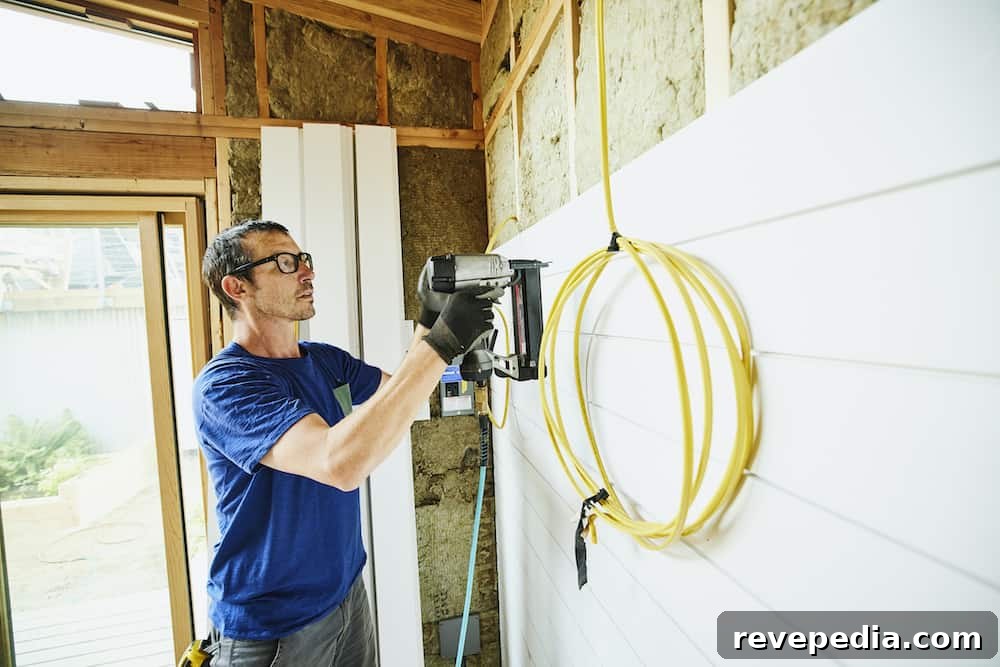
A solid renovation begins long before the first hammer swing. Thoughtful planning, the right tools, realistic expectations, and knowledge of applicable regulations are the foundations of a smooth, successful project. Below we break down those essentials and share lessons learned from common mistakes so you can protect your time, budget, and the value of your home.
Understanding the Basics of Home Renovation
The Importance of Planning
Every renovation needs a clear plan. Effective planning helps you define your goals, set a realistic budget, and create a timeline with milestones. It also reveals potential challenges early—structural issues, access constraints, or permit requirements—so you can address them before they derail progress.
Aesthetic choices are important, but practical considerations often determine whether a space will function well long term. For example, a kitchen update should prioritize appliance placement, traffic flow, and adequate counter and storage space, not just how the cabinets look. Investing time in layout planning pays off with a more usable, comfortable result.
Another key planning step is ensuring compliance with local regulations. Obtaining the right permits and understanding building codes prevents disruptions, fines, and the risk of having to undo work later. Incorporate permit timelines into your schedule so approvals don’t become an unexpected delay.
Necessary Tools and Equipment
Having the right tools and equipment is essential. Using improper or worn-out tools can degrade the finish, slow progress, or create safety hazards. Make a list of required tools—basic hand tools, power tools, and safety gear—before starting and either buy quality tools or arrange to rent them.
Higher-quality tools often cost more up front but deliver better performance, reduce rework, and last longer. For many tasks, the right tool saves considerable time: for instance, a paint sprayer gives a smoother, faster finish than brushes or rollers for large surfaces. Always wear appropriate protective equipment—goggles, gloves, dust masks—and learn proper tool use and maintenance to avoid accidents and extend tool life.
Common Mistakes in DIY Home Renovations
Overestimating Skills and Underestimating Time
One frequent error is overestimating personal skills and underestimating how long tasks will take. Home renovations often involve specialized trades—plumbing, electrical, structural work—that require training and experience. Attempting complex work without the right expertise can create safety risks and lead to expensive repairs.
Time estimates also tend to be optimistic. Projects routinely take longer than planned due to unexpected discoveries, waiting for materials, or coordinating trades. Allow buffer time in your schedule to avoid rushed work or incomplete tasks that diminish the final outcome.
Ignoring Building Codes and Regulations
Building codes and permits exist to ensure safety and protect your property investment. Skipping permits or failing to follow code can lead to penalties, forced corrections, or problems when selling the home. Bigger changes—structural modifications, electrical rewiring, or major plumbing work—almost always require permits and inspections.
When unsure, check with local authorities or consult a professional to confirm which permits you need and how to comply with regulations. Getting guidance up front prevents costly remediation later and gives you confidence that the work is safe and lawful.
The Financial Implications of Renovation Mistakes
Unplanned Expenses Due to Errors
Mistakes add up quickly. Costs for rework, additional materials, and hiring professionals to correct errors can blow through a budget. Establish a contingency fund—commonly 10–20% of the project cost—to cover unforeseen expenses without halting progress.
Many unforeseen expenses come from hidden complexities discovered during work, such as outdated plumbing, structural rot, or inadequate electrical systems. Thorough pre-project inspections and realistic budgeting reduce the shock of surprises, and maintaining a contingency protects your timeline and finances if surprises occur.
Impact on Property Value
Well-executed renovations usually increase a home’s value, but poor workmanship or overly personal design choices can diminish it. Visible flaws, shoddy finishes, or installations that don’t meet code can deter buyers and reduce resale value. Likewise, extremely niche design decisions may limit buyer appeal.
To protect your investment, choose durable materials and timeless design elements that appeal to a broad audience. Consulting real estate professionals or appraisers before starting major renovations can help you focus on projects that deliver the best return on investment and avoid changes that might hurt resale potential.
How to Avoid Common Renovation Pitfalls
Seeking Professional Advice
Consulting professionals—designers, architects, or licensed contractors—can prevent many mistakes. Experts bring technical knowledge, practical problem-solving skills, and familiarity with codes and permitting. They can help optimize layouts, recommend appropriate materials, and foresee issues that a novice might miss.
Even if you plan to tackle some work yourself, hiring professionals for complex tasks or for a design consultation often saves money and time in the long run. Their guidance can streamline decision-making and ensure the finished project is durable, safe, and attractive.
Investing in Quality Materials
Material quality matters. Low-cost, low-quality products may reduce upfront expenses but usually lead to more repairs and replacements later. Selecting durable, well-made materials improves longevity and the finished appearance while protecting resale value.
Consider sustainability and lifecycle cost when choosing materials. Durable, low-maintenance options often cost less over time and can also appeal to eco-conscious buyers. Balancing cost, durability, and aesthetic fit will yield the best long-term outcome for both comfort and value.
Lessons Learned from DIY Disasters
Real-Life Renovation Regrets
Learning from others’ mistakes is one of the smartest strategies for a successful renovation. Read forums, talk with neighbors, or consult renovation case studies to gather practical lessons and avoid common traps. Real-world accounts often reveal pitfalls that aren’t obvious in tutorials or showrooms.
Turning Mistakes into Learning Opportunities
Everyone makes mistakes; the key is responding constructively. If something goes wrong, focus on finding a solution, documenting what happened, and applying the lesson to future decisions. Developing skills through small projects, training, or mentorship helps build competence and confidence over time.
In summary, a successful DIY renovation depends on careful planning, realistic expectations, proper tools, quality materials, and knowing when to call in professionals. Anticipate hidden issues with thorough inspections, allow time and budget for contingencies, and prioritize safety and code compliance. By learning from others and approaching your project methodically, you’ll reduce stress, protect your investment, and achieve better results. Happy renovating!