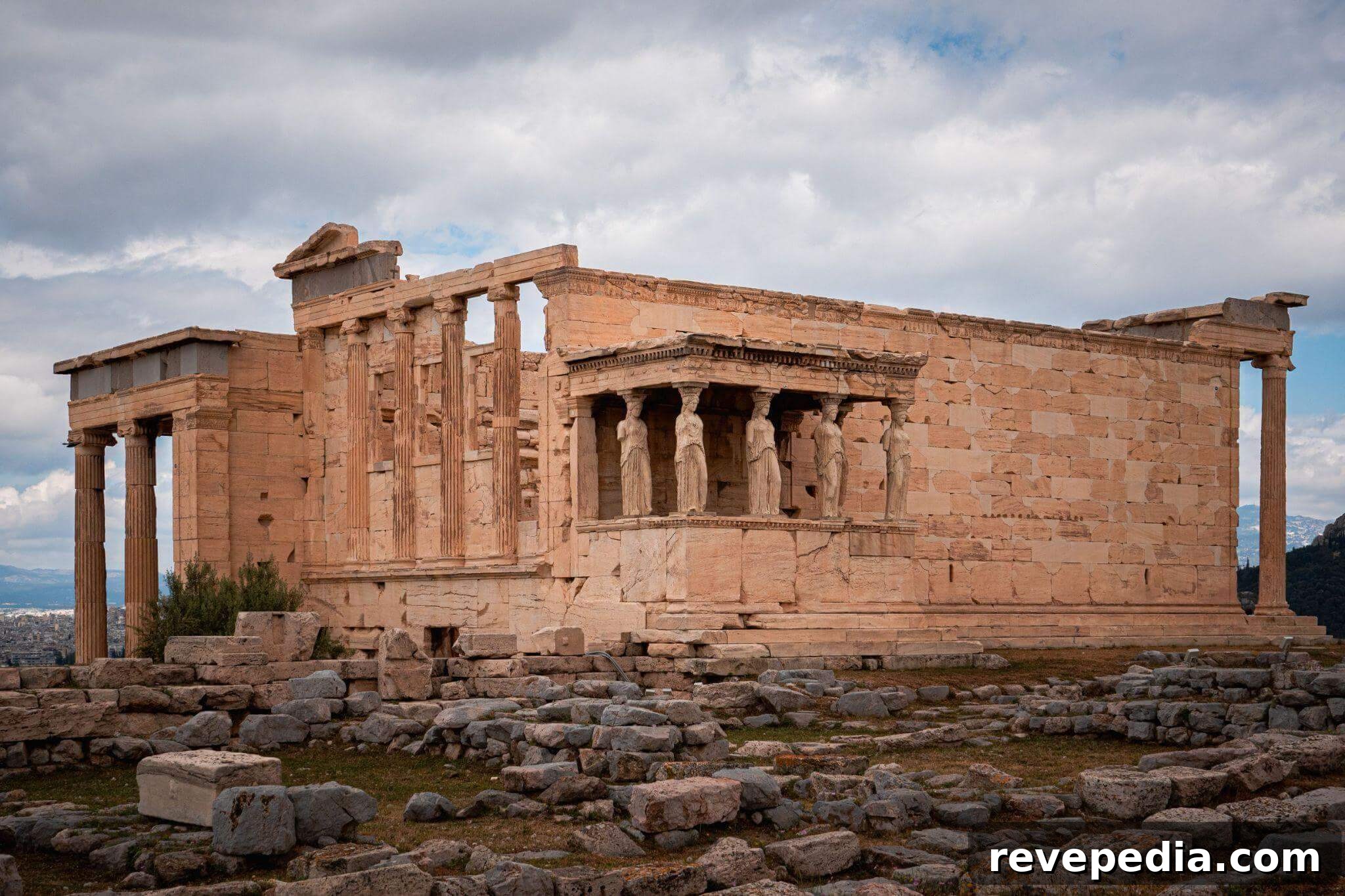
When you love history, travel becomes something far richer than a simple beach getaway. Instead of just seeing sights, you step into stories that helped shape the modern world—walking through layers of time, from medieval lanes to ancient ruins. Every destination offers a chance to experience cultures, empires and daily life from the past, often woven seamlessly into the present.
To help you plan your next trip, whether you are a dedicated history enthusiast or simply looking for a different kind of holiday, here are several outstanding historic destinations around the world. Each offers a unique window into the past while providing practical travel options and memorable experiences.
Rome: Ancient Civilizations
Rome remains one of the world’s most compelling historic destinations, where ancient ruins coexist with a vibrant modern city. The Roman Forum and the Colosseum are architectural and cultural touchstones: walking their paths makes it easy to imagine the political debates, public ceremonies and gladiatorial contests that once dominated daily life.
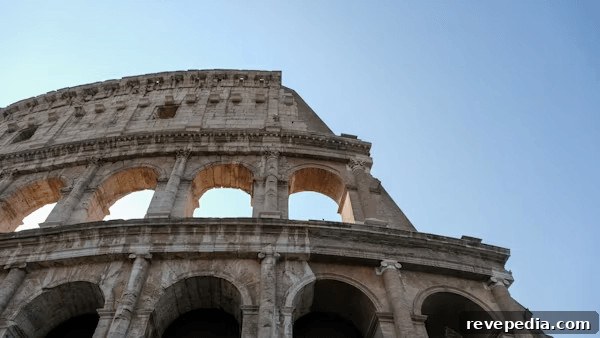
Beyond the headline landmarks, Rome’s history is layered and omnipresent. Hidden archaeological sites, preserved aqueducts and ancient street fragments appear around almost every corner, revealing how Roman architecture, law and urban planning shaped Western society. Staying in the historic centre lets you arrive at major attractions on foot and soak up the atmosphere at any hour.
Accommodation ranges from intimate, family-run guesthouses tucked into cobbled streets to luxury hotels with views over ruins. Many properties are conversions of historic buildings, so you can enjoy modern comforts within Renaissance or Baroque interiors. Budget travelers will find hostels and well-located apartments that make longer stays affordable while keeping you close to the city’s heritage.
Kyoto: Japan’s Cultural Heritage
Kyoto offers a different kind of historic experience: rather than ruins frozen in time, you’ll discover living traditions that have endured for centuries. The city’s wooden machiya houses, tranquil temples and Shinto shrines create a continuous link to Japan’s spiritual and cultural past.
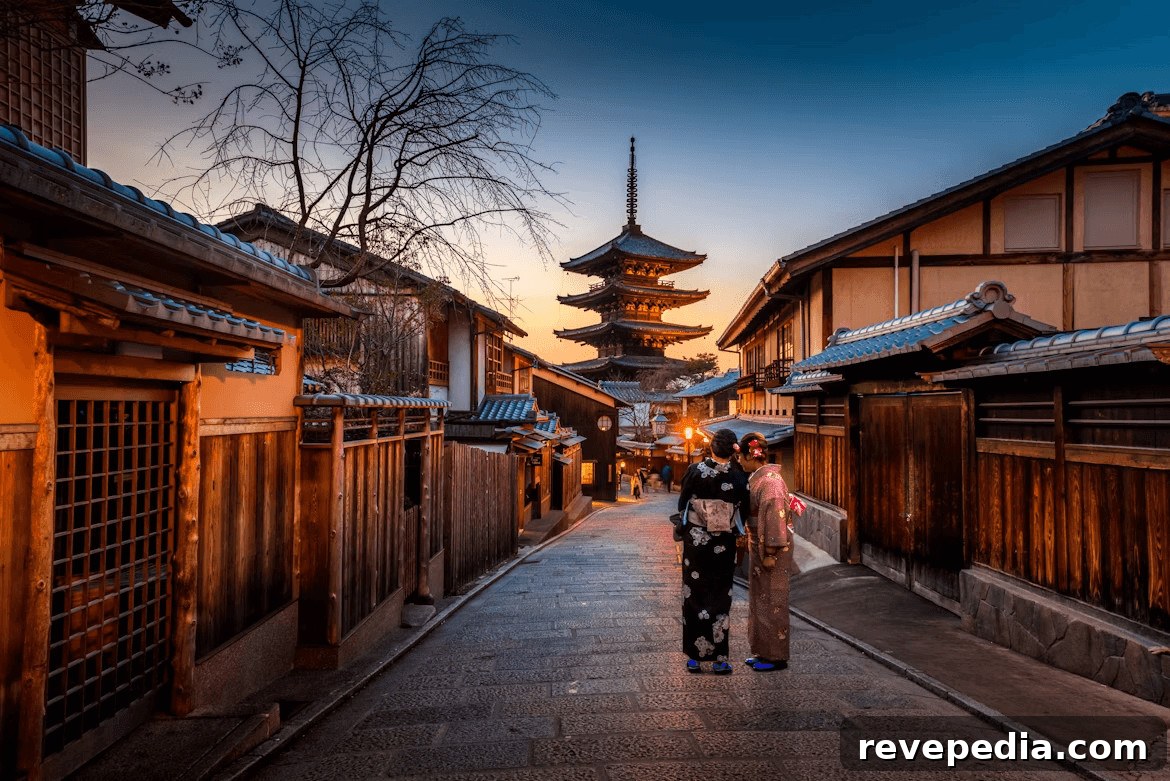
Practices such as tea ceremonies and the care of Zen gardens are not museum displays but active parts of daily life and seasonal ritual. Visitors can participate in or observe these customs, gaining a deeper appreciation of Japan’s aesthetic values and philosophy. Efficient public transport makes it easy to move between districts and major sites.
Where you stay in Kyoto can be part of the experience. Traditional ryokan provide tatami rooms, futon bedding and onsen-style baths for an immersive cultural stay. Alternatively, modern minimalist hotels and boutique inns interpret traditional design through contemporary lenses, offering comfort with a distinctly Japanese sensibility.
Cusco: The Heart of the Inca Empire
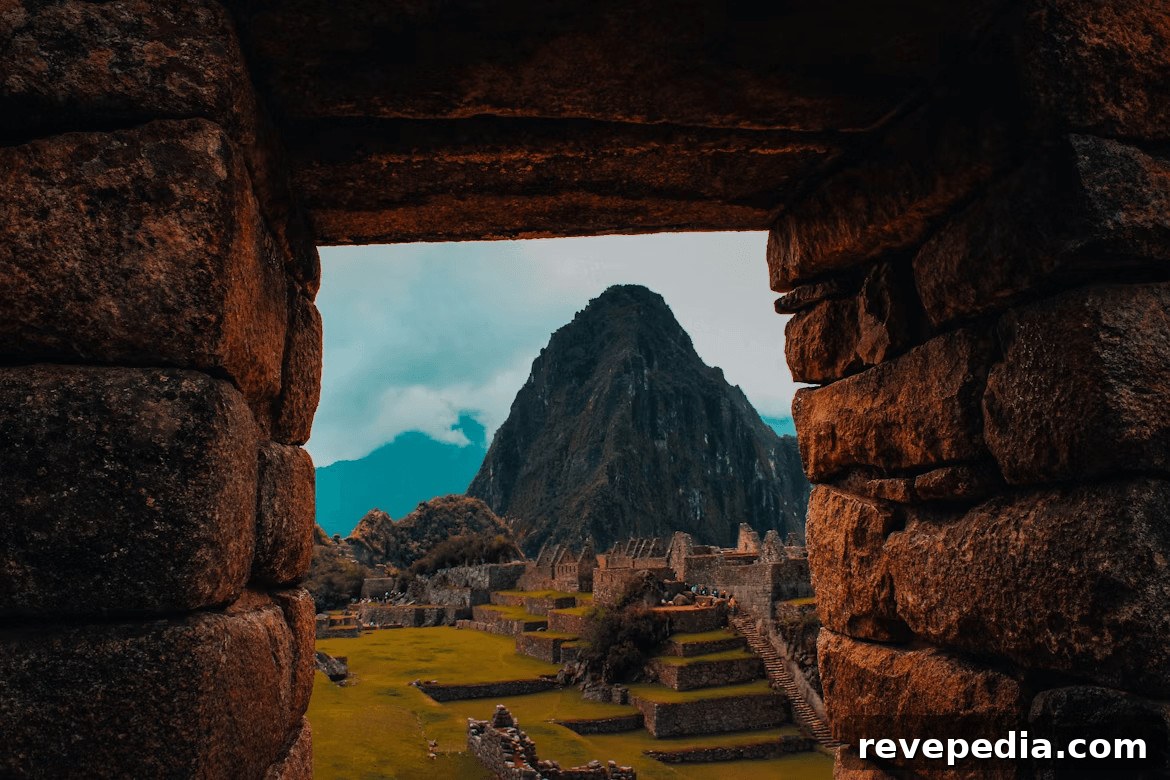
Cusco was the capital of the Inca Empire and remains a foundational site for understanding pre-Columbian South America. Here, Inca stone foundations support Spanish colonial architecture, producing a distinctive urban fabric that has endured despite centuries of seismic activity.
Known as the gateway to Machu Picchu, Cusco rewards visitors with plazas, temples and terraced landscapes that reveal advanced Inca engineering and social organization. Exploring these sites offers insight into agricultural innovations, architectural techniques and ceremonial life of the Andes.
Accommodation in Cusco often reflects the city’s historic charm: restored colonial buildings, boutique hotels and comfortable guesthouses line the old town, many with balconies overlooking cobbled streets or plazas. There are also budget-friendly options, making it straightforward to plan a trip that includes both local exploration and excursions to nearby archaeological sites.
Frankfurt: A Blend of Medieval Roots and Modern History
Often recognized as a global financial centre, Frankfurt also preserves a rich historical core shaped by centuries of trade and political life. The reconstructed old town recalls medieval origins while the modern skyline highlights the city’s ongoing role in European affairs.
Frankfurt played a notable role in early parliamentary movements and remains an instructive place for travellers interested in political and economic history. The city’s juxtaposition of historic districts and contemporary architecture illustrates how urban centers can evolve without erasing their past. For short visits, planning ahead—such as arranging luggage storage near central transport hubs—helps you make the most of a day exploring historic sites.
Historic travel is more than visiting monuments; it is an invitation to walk through time and understand how societies have developed. From Rome’s imperial legacy to Kyoto’s living traditions, Cusco’s Andean ingenuity and Frankfurt’s civic history, each destination tells a distinct story about human creativity, resilience and continuity.
What unites these places is the ongoing relationship between past and present: they are living environments where historical layers remain visible in everyday life. Visiting them offers not only memorable sights but also deeper perspectives on how history continues to shape our world.