
Homeowners often spend months selecting marble countertops, custom cabinets, and professional-grade appliances during a kitchen remodel. These visible choices define a modern kitchen’s style, but many people overlook a vital component: the quality of the water flowing from new fixtures. Adding or upgrading a home drinking water system protects health, enhances flavor, and completes a truly functional renovation.
The Hidden Gaps in Modern Kitchen Remodels
New plumbing fixtures look beautiful, but they do not automatically improve the quality of water that runs through them. Most renovation plans concentrate on design and appearance while leaving water treatment as an afterthought. That gap can undermine the overall outcome of a remodel.
Plumbing lines can carry microscopic contaminants from aging municipal infrastructure straight to your glass. Standard copper or PEX pipes do not remove impurities already present in the incoming supply. Integrating a dedicated purification system during the remodel closes this functional gap and ensures the water matches the kitchen’s upgraded look and performance.
Many homeowners discover too late that an expensive refrigerator’s ice tastes like plastic or that tap water has a chlorine odor. High-quality water noticeably improves coffee, tea, cooking, and produce preparation. Planning for water filtration as part of construction saves time and increases long-term property value.
Why Standard Tap Water Falls Short
Municipal treatment plants treat water to meet safety standards, but those standards do not always guarantee optimal taste or remove all contaminants. Aging distribution systems can leach lead and other metals, while chlorine and other disinfectants leave odors and off-flavors. Industrial chemicals, pharmaceuticals, and synthetic compounds can also be present at trace levels.
Relying solely on the municipal supply means accepting whatever residual contaminants remain after treatment and travel through the public pipeline. Investing in household water purification reduces exposure to these elements and provides consistent, clean-tasting water for drinking and cooking.
Evaluating Common Filtration Methods
Filtration technologies vary widely in effectiveness. Simple pitcher filters are convenient but remove only a limited range of contaminants. Basic carbon block filters improve taste and reduce chlorine but do not reliably remove dissolved solids or heavy metals. Understanding the strengths and limits of each option helps homeowners choose the right system for their needs.
- Reverse osmosis systems force water through a semi-permeable membrane to remove dissolved solids, heavy metals, and many contaminants.
- Countertop purifiers deliver multi-stage filtration without complex plumbing and are a popular choice for ease of use.
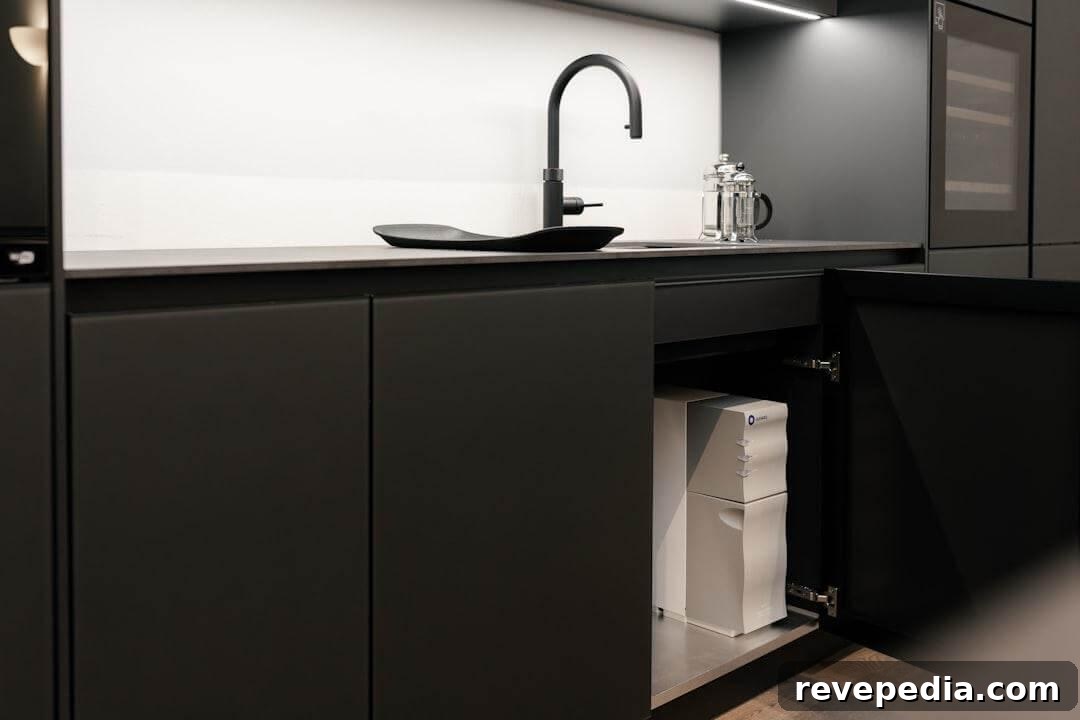
- Under-sink systems provide high volumes of treated water through a dedicated tap and integrate neatly out of sight.
Carbon Block Filtration
Carbon block filters excel at removing chlorine and improving odor and taste. They work by adsorbing many organic compounds as water passes through the carbon material. However, carbon alone cannot remove all dissolved minerals, salts, or some heavy metals. For households that require high-purity drinking water, carbon works best as one stage within a multi-stage system.
Reverse Osmosis Technology
Reverse osmosis (RO) is a proven method for reducing a broad spectrum of contaminants through pressurized filtration. RO systems remove minerals, heavy metals, and many synthetic compounds. Modern home RO units often include a remineralization stage that restores beneficial minerals, improving taste and mouthfeel.
Including a remineralization step ensures the treated water is crisp and balanced rather than flat. For homeowners seeking near-laboratory purity with pleasant flavor, a multi-stage RO system is an excellent choice.
Selecting the Right System for Your Space
Every kitchen has unique space constraints and design priorities. Under-sink systems require sufficient cabinet space and may need professional plumbing modifications. Countertop and plug-in units are ideal for renters or design-focused homeowners who prefer a non-permanent solution.
Consider household size and daily water use: large families benefit from systems with fast dispensing and larger storage tanks, while smaller households can choose compact units that preserve counter space. Portable systems that require no drilling are especially convenient for apartments or frequent movers.
The True Cost of Relying on Bottled Water
Many households buy bottled water to avoid perceived tap issues, but this approach is costly and environmentally harmful. Weekly purchases of heavy cases add up financially and create physical strain. Single-use plastic bottling also contributes to landfill waste and microplastic pollution.
Producing purified water at home reduces ongoing expense and waste. For many families, a quality home water system pays for itself within a year when compared with recurring bottled water purchases. Filtered tap water provides a continuous supply and frees up storage space previously used for water crates.
Long-Term Maintenance Requirements
Keep any water system functioning well with routine maintenance and timely filter replacements. Neglecting maintenance diminishes performance and can allow contaminants to pass through. Most modern systems include indicator lights or reminders to simplify upkeep.
Typical maintenance tasks include:
- Replacing the sediment pre-filter every six months
- Replacing the main reverse osmosis membrane every two years (depending on use and water quality)
- Sanitizing storage tanks annually to prevent bacterial growth
Using high-quality replacement parts preserves system longevity and prevents scale buildup. Regular maintenance protects your investment and ensures consistent water quality.
Installation Realities for Homeowners
Complex plumbing upgrades can increase renovation costs and risk water damage if handled improperly. Traditional under-sink reverse osmosis installations often require a professional, while many countertop purification units offer a tool-free, plug-and-play experience.
Setting up a modern countertop purifier can take less than 10 minutes: unpack the device, wash its removable components, and fill the tank. No drilling or specialized skills are necessary. Choosing appliances that avoid extensive plumbing keeps renovation budgets under control and delivers immediate benefits.
Enjoying the Benefits of Pure Water
Cleaner water changes how you experience your kitchen. Ice becomes crystal clear, coffee and tea reveal fuller flavor profiles, and vegetables retain their natural color and texture when cooked in purified water. Baked goods and soups taste fresher without chlorine or off-flavors.
Pets benefit from chemical-free hydration, often showing improved energy and digestion. Houseplants can thrive when watered with cleaner water. Small improvements in ingredient and water quality deliver meaningful benefits for daily health and enjoyment.
A successful kitchen remodel pairs beautiful design with practical performance. Upgrading your drinking water is a long-term investment in health, taste, and sustainability. Don’t leave water quality to chance—choose a reliable purification solution to complete your kitchen transformation and enjoy better water every day.