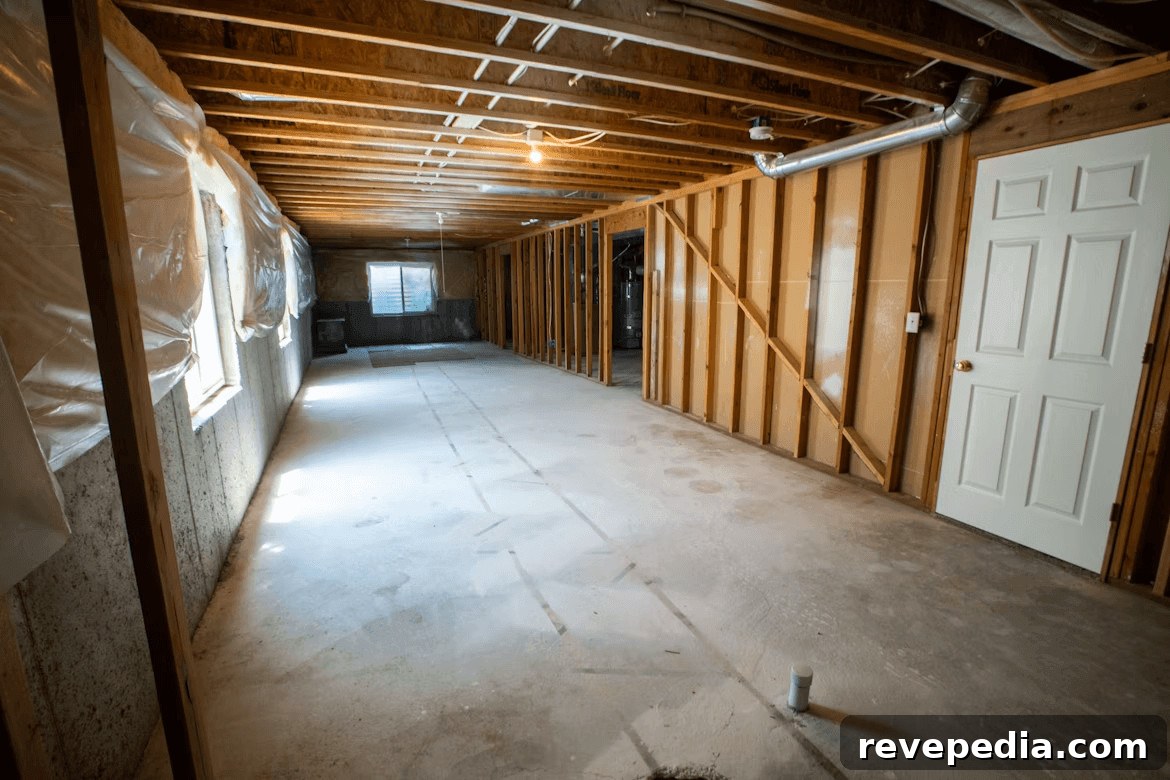
Basements are frequently treated as forgotten storage spaces or laundry rooms until water problems force homeowners to take action. Ignoring the area below ground level, however, risks serious consequences—excess moisture can undermine the foundation, lead to costly repairs, and create health hazards. Professional basement waterproofing is the most reliable way to protect a property long term. Stopping hydrostatic pressure and persistent leaks before they cause structural decay preserves the home’s integrity and prevents ongoing dampness.
When water enters a basement, damage rarely remains limited to a single wet spot. Moisture weakens load-bearing supports, ruins stored belongings, and creates ideal conditions for fungal growth. Many homeowners underestimate how quickly unchecked dampness can reduce a property’s market value and affect occupants’ respiratory health. If a major flood or leak occurs, calling a specialist for water damage restoration is essential to safely remove water and salvage the structure. Still, prevention is the most cost-effective strategy: investing in waterproofing up front avoids far greater expenses later.
The True Cost of Water Infiltration
Water damage often progresses quietly. It commonly begins with small signs—hairline cracks in the foundation, damp patches on lower walls, or a persistent musty odor that ordinary ventilation won’t clear. Without prompt action, these early signs escalate into major structural failures requiring expensive repairs. Heavy rain, melting snow, and poor drainage can saturate the soil around a house and increase hydrostatic pressure. That pressure pushes groundwater against porous concrete foundations, widening cracks and eventually compromising the walls’ ability to support the structure above.
Repair bills can be substantial. Fixing a bowed foundation, removing ruined drywall, remediating mold, and replacing damaged electrical systems can cost thousands to tens of thousands of dollars. A history of basement flooding also makes a property harder to sell—buyers hesitate when past water issues are documented, often forcing sellers to lower the asking price. Many homeowners insurance policies exclude gradual water damage and mold remediation, leaving owners to cover the full cost. Waterproofing a basement protects both the physical structure and the homeowner’s financial investment.
Understanding the Mold Threat
Damp basements are prime environments for mold and mildew. Mold spores are naturally present in air, but they need moisture, warmth, and organic material to grow. Basements often contain cardboard boxes, exposed wood, and drywall—materials that provide food for fungi. After a water intrusion, mold can begin to spread within 24 to 48 hours, which is why rapid moisture removal is so important. Delaying action by even a few days significantly increases the scope and cost of remediation.
Indoor mold poses documented health risks. As colonies grow, they release microscopic spores and volatile organic compounds (VOCs) into the air. Because air moves upward through a house via the stack effect, these contaminants can travel from the basement to living spaces where people spend most of their time. Long-term exposure to indoor mold can trigger respiratory issues, asthma attacks, allergic reactions, and chronic sinus problems. Certain species produce mycotoxins that can worsen neurological or immune responses. Children, the elderly, and people with weakened immune systems are particularly vulnerable. The permanent solution is eliminating the moisture source that feeds mold growth.
How Waterproofing Systems Work
Effective basement waterproofing uses both interior and exterior strategies tailored to the property. Interior waterproofing manages water that has already breached the foundation. Commonly, contractors install an interior French drain around the base of the foundation to collect infiltrating water and channel it to a sump pump. The sump pump then expels water away from the house, keeping the floor dry during storms. Battery backup systems help ensure the pump continues working during power outages, which often coincide with severe weather.
Exterior waterproofing prevents water from reaching the foundation in the first place. This involves excavating soil around the foundation walls, applying a robust waterproof membrane to the exterior surface, and installing drainage to redirect groundwater away from the structure. Although more labor-intensive and costly, exterior waterproofing addresses the root cause instead of only managing symptoms. Maintaining clean gutters, extending downspouts at least six feet away from the foundation, and ensuring proper soil grading are important complementary measures that reduce water pressure against foundation walls.
The Role of Vapor Barriers and Dehumidification
Preventing liquid water is only part of a comprehensive moisture-control strategy. High humidity alone can cause problems even when there is no visible leak. Concrete is porous and allows water vapor to migrate through foundation walls and floors, causing condensation on cold surfaces, persistently damp walls, and eventual mold growth. Installing a heavy polyethylene vapor barrier on walls and floors blocks moisture vapor and creates a sealed interior environment suitable for finishing the basement.
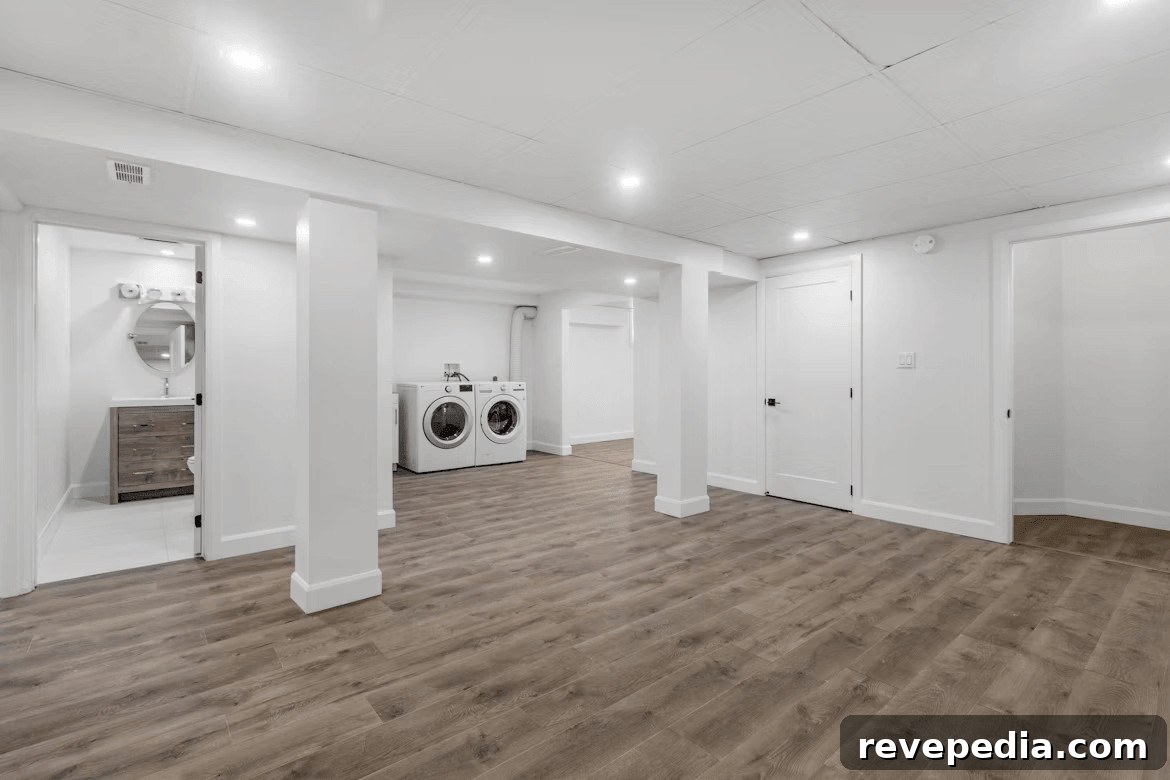
A commercial-grade dehumidifier complements the vapor barrier by controlling airborne moisture. Residential dehumidifiers often lack the capacity to handle a damp basement’s air volume and conditions. Commercial units run continuously to keep relative humidity below 50%, the level generally recommended to inhibit mold growth. Dehumidification also reduces musty odors and makes the space more comfortable and usable. Units with built-in hygrometers and automatic controls simplify ongoing maintenance. Controlling both liquid intrusion and vapor transmission keeps the basement healthy year-round.
Recognizing the Warning Signs
Early detection of moisture problems keeps repair costs manageable. Inspect basements regularly, especially after heavy rain or during spring thaw when snowmelt increases soil saturation. Efflorescence—a white, chalky residue on concrete walls—signals active water migration through the foundation. Other warning signs include peeling or bubbling paint, warped wood, rusted metal fixtures, stains on walls or floors, and a persistent musty smell. Any of these symptoms warrant prompt investigation.
A licensed waterproofing contractor can evaluate the basement, identify the moisture source, and recommend a targeted repair plan. While some home repair projects are suitable for DIY, foundation and groundwater issues require specialized knowledge and equipment. Knowing when to call a professional helps homeowners avoid fixes that might worsen the problem or delay a simple solution.
Maximizing Home Value Through Waterproofing
A professionally waterproofed basement opens opportunities to expand living space. Once dry and odor-free, the lower level can be finished as a family room, home office, gym, or guest suite—adding usable square footage without a full addition. Waterproofing must come before any basement remodel; without a dry, stable foundation, new flooring, drywall, and furnishings remain at risk. Skipping waterproofing to save money typically results in higher costs later when finished spaces must be remediated and rebuilt after water intrusion.
Finished, dry basements also boost resale value. Buyers pay a premium for protected, functional lower levels free from dampness and structural concerns. Real estate professionals note that a properly finished basement can deliver a strong return compared with many other renovation projects. Securing the foundation against moisture ensures that improvements rest on a stable base rather than on a potential liability.
Long-Term Maintenance and Peace of Mind
Waterproofing is an upfront investment that protects the home from catastrophic water damage and preserves its value over time. The system requires basic maintenance: test sump pumps before the rainy season, verify battery backups, and keep gutters and downspouts free of debris to prevent water from pooling near the foundation. Regular checks and minor upkeep extend the life of the waterproofing system and prevent avoidable failures.
The greatest benefit of a waterproofed basement is peace of mind. With a protected foundation, homeowners no longer worry about panic during storms or the expensive aftermath of a flooded lower level. Controlling basement moisture safeguards structural stability, improves indoor air quality, and secures the home’s long-term value—making professional waterproofing one of the most practical investments a homeowner can make. For anyone who has experienced a flooded basement even once, avoiding a repeat incident is an outcome that’s hard to overstate.