
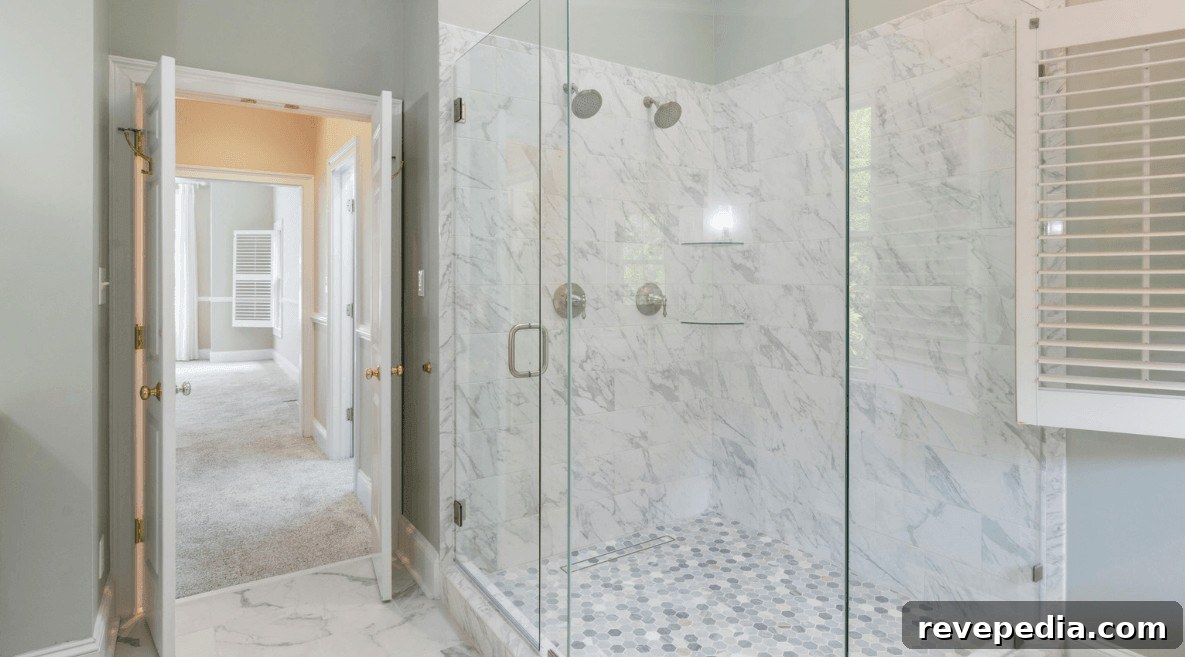
A leaking frameless shower door is a frequent complaint after installation, but the problem is rarely the glass itself. Tempered glass panels are solid and do not leak on their own. When water appears outside a frameless enclosure, it almost always comes from the surrounding details: the bottom of the door, the seals where panels meet each other or the wall, and how the shower pan and curb were set during installation.
Why the Glass Panel Is Not Usually the Cause of Leaks
Tempered glass is a continuous, nonporous surface, so water transmission through the glass is not the problem. Instead, leaks are typically related to how the panels are joined and sealed. Gaps at joints, gaps under the door, and failed vinyl strips or sweeps allow water to escape. Understanding this distinction helps homeowners and installers focus troubleshooting on the right components rather than assuming a glass defect.
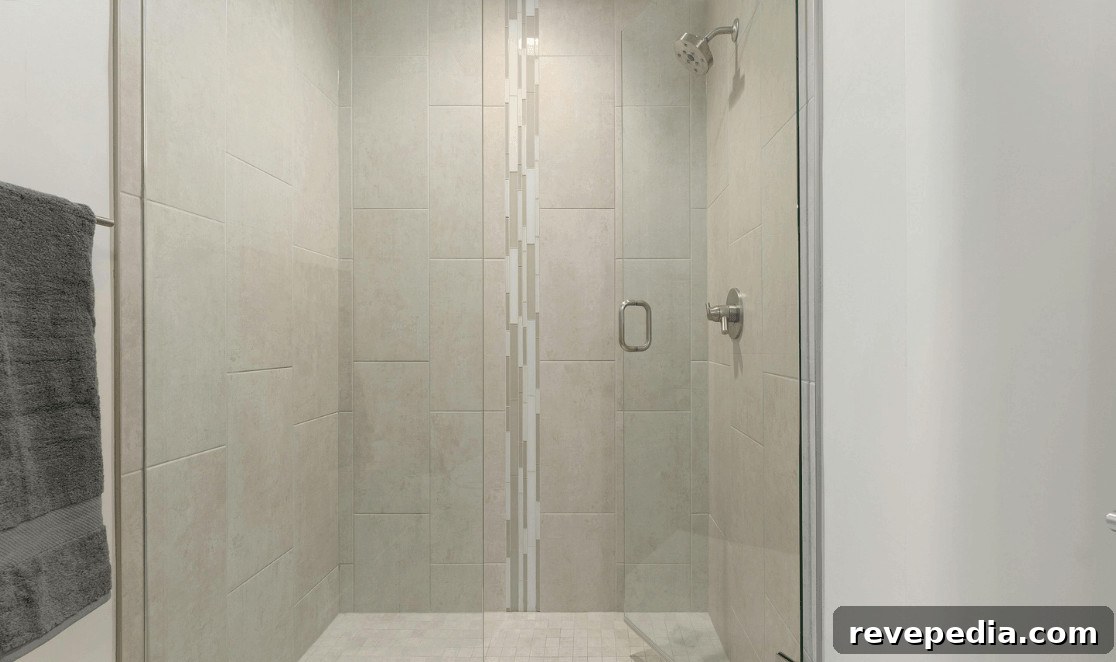
The Bottom Sweep: Small Part, Big Impact
The bottom sweep is a flexible strip attached to the door’s lower edge that keeps shower water from flowing out under the door. If the sweep is worn, improperly sized, or installed without accounting for the actual slope of the shower pan, water will find its way beneath the door. Worn or misaligned sweeps are one of the most common causes of “new door leaking” complaints and are often an easy, inexpensive fix once the real cause is identified.
How Shower Pan Slope Affects Leak Risk
A correctly sloped shower pan directs water toward the drain. If the pan slopes toward the door or pools at the curb instead of toward the drain, even perfectly installed glass and seals won’t prevent water from collecting at the base and escaping. Assessing pan slope during initial site measurement is critical; the design and placement of the bottom sweep must match the actual slope and drainage pattern of the shower.
Seals, Vinyl Strips and Panel Junctions Do Real Work
Where a swinging door meets a fixed panel or the wall, clear vinyl strips and specialized sweeps form the watertight barrier that prevents leaks. These components are functioning parts of the enclosure and wear over time. Heavy household use accelerates wear, so periodic inspection and replacement of vinyl strips, sweeps, and seals are normal maintenance tasks rather than evidence of a faulty installation.
Precision Measurement Is the Foundation of Leak Prevention
Leak prevention begins with accurate measurements and proper site assessment: checking wall plumb, verifying curb height and level, and confirming the actual dimensions and slope of the pan. Installers who measure and account for these variables on-site avoid relying solely on sealant to compensate for dimensional or alignment errors. Properly sized glass panels and correct placement relative to the curb and drain are essential to long-term water control.
How Showerhead Placement Influences Performance
Beyond the enclosure, the direction and spray pattern of the showerhead influence how much water pressure hits any seal or gap. A powerful, poorly aimed showerhead that points directly at a panel junction or the door edge increases leak risk. Consideration of showerhead location and spray behavior during design and installation helps reduce stress on seals and reduces the chance of water escaping the enclosure.
Diagnosing and Fixing an Existing Leak
If your frameless shower is leaking, replacing the door is rarely necessary. The practical approach is to identify which specific component is failing: the bottom sweep, a vinyl strip at a panel junction, a misaligned door gap, or an improper pan slope. Once the source is identified, targeted repairs—replacing a worn sweep, adjusting hinge alignment, reseating vinyl strips, or correcting drainage—solve most leaks without replacing the entire enclosure.
What to Ask Your Installer to Prevent Leaks
When planning a frameless shower, ask prospective installers how they will address wall plumb, curb slope, bottom sweeps, panel seals, and showerhead orientation during their measurement and design process. Installers who include these checks as standard practice are designing enclosures around the actual conditions in the bathroom rather than relying on generalized assumptions. This attention to detail prevents many common leak problems before the glass is ever set.
Maintaining a frameless shower enclosure is straightforward when you know where leaks actually originate: at seals, sweeps, and installation interfaces, not in the glass. Regular inspection, prompt replacement of worn seals, and ensuring the pan and curb direct water properly will keep a frameless shower performing well for years.