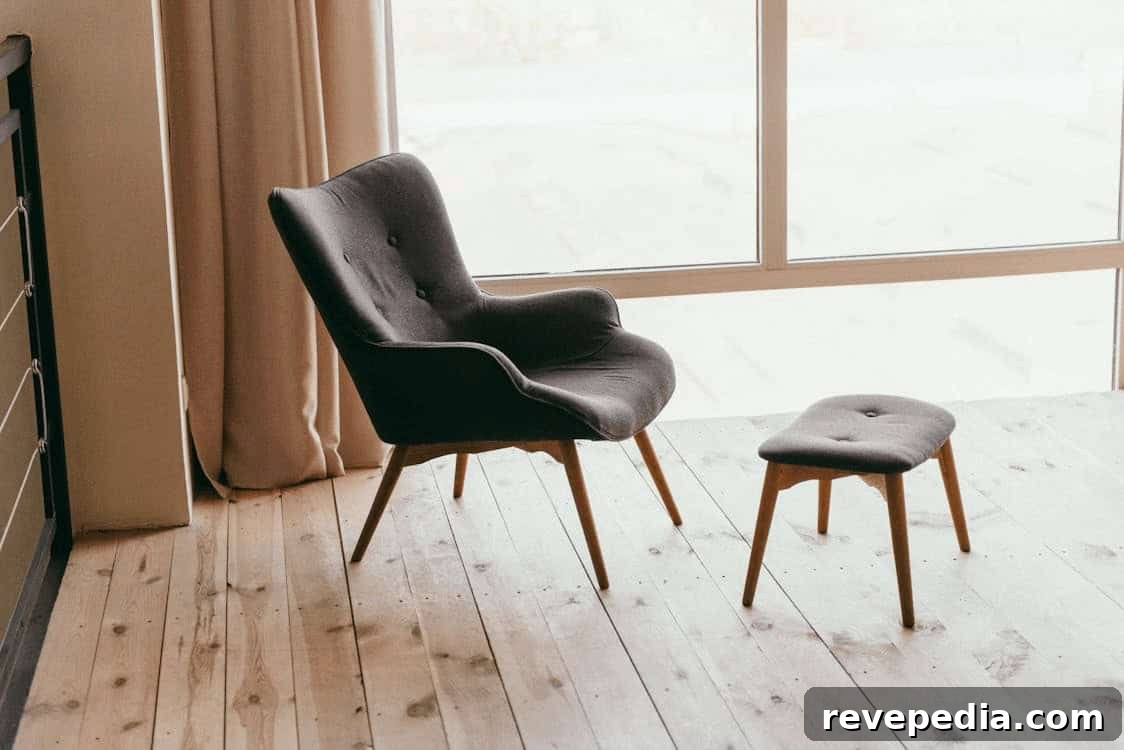
A solid wood table transforms a room the moment you bring it in. You notice the grain, the weight, and the careful craftsmanship behind it.
Heirloom furniture still fits beautifully in modern homes. People who prefer handcrafted pieces often want both warmth and clean design: items that carry history but also fit into spaces that feel simple and easy to live in.
Start With One Piece That Leads The Room
Modern interiors usually benefit when a single strong piece sets the tone. That could be a dining table, a desk, or a low bookcase. A dominant piece gives the room a clear focal point and allows the rest of the space to remain calm and cohesive.
Heirloom furniture naturally has presence, so it rarely needs much embellishment. The wood’s tone, grain, or finish often stands out on its own. When one piece leads, the room reads as intentional rather than cluttered.
Placement matters more than many people expect. In open-plan homes, position the piece where people naturally pause or gather—such as the dining zone, an entryway, or a cozy reading corner. The same principles behind smart storage and intentional layouts apply: each significant piece should earn its place.
How To Choose The Right Starting Piece
Your first piece should do more than look good; it should support how the room functions day to day. That keeps the design practical and easy to live with.
Consider these practical options:
- A dining table that anchors family meals and weekend hosting
- A desk that brings warmth to a minimalist home office
- A bookcase that offers both storage and visual texture
- A console that introduces character to an entryway or hallway
If a piece adds both function and style, it deserves a prominent spot. If its value is purely sentimental, it may belong in a different room or be placed more discreetly.
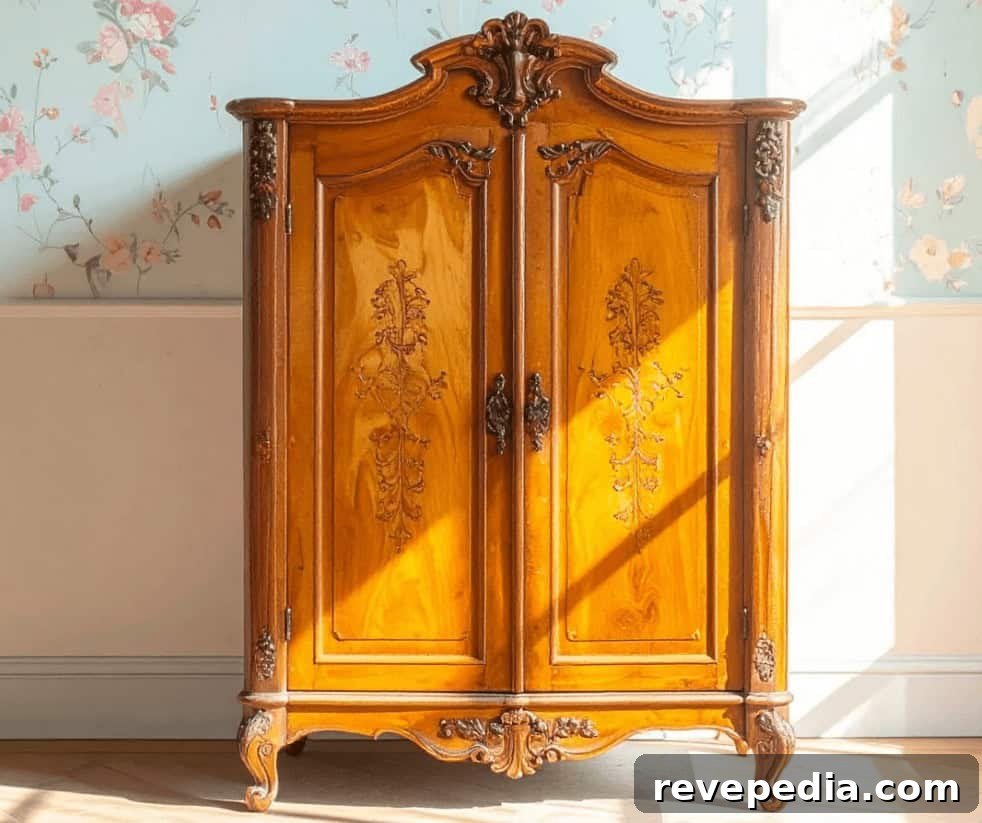
Photo by Dmitry Zvolskiy
Pair Old Wood With Clean Modern Finishes
Heirloom furniture reads best in modern rooms when the contrast feels calm and deliberate. Rich wood tones work well beside simple fabrics, understated lighting, and clean lines. This pairing keeps the space warm without making it feel heavy or dated.
The simplest approach is to combine aged wood with uncomplicated shapes. A substantial table will sit comfortably with plain dining chairs. A vintage chest can be balanced beneath a minimal mirror. A well-worn bookcase looks current when set against smooth walls and unadorned surfaces.
Materials also help create balance. Wood pairs well with steel, linen, stone, and glass—mixes that feel grounded and timeless. Custom or well-made pieces often fit more naturally into a home’s scale and palette than fleeting trend items.
Material Combos That Usually Work Well
These combinations tend to make rooms feel balanced while keeping the wood piece from looking stuck in another era:
- Dark walnut with matte black steel and soft white walls
- White oak with warm gray textiles and brushed brass accents
- Reclaimed wood with stone counters and woven rugs
- Medium brown wood with cream upholstery and simple black lighting
These pairings let the furniture keep its patina while the room maintains a fresh, relaxed feel.
Watch Scale, Light, And How People Move
Even a beautiful heirloom can feel out of place if its scale doesn’t suit the room. Older pieces are often deeper, taller, or heavier than contemporary furniture. Before moving an item in, measure doorways, circulation paths, and seating clearances.
Scale matters especially in multifunctional rooms. A dining area might double as a workspace or a homework station; successful homes acknowledge these overlaps. When refreshing a living space on a budget, prioritizing layout over decor usually yields better long-term results.
Light also changes how wood reads in a room. Dark finishes can absorb brightness, particularly in spaces with small or few windows. Lighter rugs, soft fabrics, and well-placed lighting can help a room feel open and balanced again.
Placement affects durability as well. Keep valuable pieces away from direct heat vents, strong sunlight, and areas prone to humidity swings. Wood reacts to moisture, which can cause swelling or shrinking over time. Maintaining steady indoor humidity and avoiding direct sun will help preserve the piece.
What To Check Before You Place A Piece
A quick checklist will protect both the furniture and the room’s flow:
- Measure the piece and the room before moving anything inside
- Allow enough space for walkways and for chairs to be pulled out
- Note where sunlight falls during the day
- Keep wood away from vents, radiators, and damp corners
Heirloom furniture doesn’t require constant worry—just thoughtful placement that supports everyday use and long-term care.
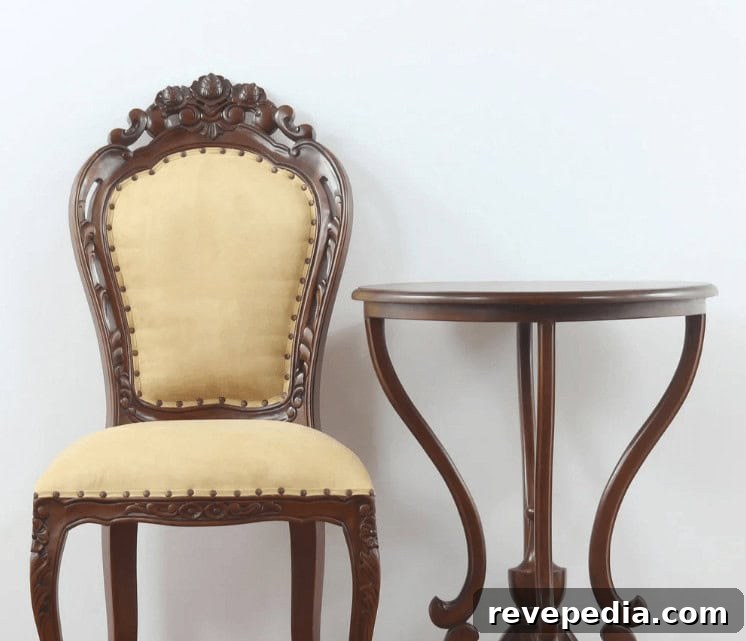
Keep The Patina, But Simplify The Room Around It
Trying to make old furniture look brand new can erase the charm that made it desirable in the first place. Small marks, softened corners, and subtle finish changes tell a story and contribute to the piece’s character.
Rather than stripping everything back to factory condition, keep the elements that are still sound and useful, and simplify the room around the piece. Fresh paint, plain curtains, and minimal hardware can help an older item feel fully integrated without removing its soul.
This approach prevents the room from feeling visually heavy. If every object in a room has heavy detail or visible age, the space can feel cluttered. A few clean, calm surfaces let the heirloom stand out in the right way.
What To Refresh And What To Leave Alone
Knowing where to stop is important. The goal is a piece that looks cared for, not one whose history has been erased. A restrained approach typically works best:
- Preserve original details that remain sturdy
- Repair loose joints, rough drawer slides, or unstable tops
- Update surrounding decor before making major changes to the furniture
- Stop once the piece feels secure, useful, and in harmony with the room
Gentle care and stable indoor conditions will keep heirloom furniture looking its best for years.
Build The Room Around Daily Use
The most successful heirloom pieces are those that continue to serve a purpose. A dining table should host meals, projects, and conversation. A bookcase should store frequently used books, baskets, and everyday objects.
Designing with function in mind keeps a room from feeling staged. It also helps homeowners make smarter choices about layout and storage so the furniture becomes part of daily life and retains its value over time.
If a piece feels overly formal, the setting is often the issue. Swap the rug, simplify the seating, or reduce small decorative items. Once the surrounding space feels lighter and more practical, the furniture usually fits in seamlessly.
Modern homes don’t need to choose between warmth and simplicity. One thoughtfully placed heirloom piece can give a room depth, comfort, and meaningful daily use.