
Most DIY enthusiasts enjoy projects with a clear finish line: buy the tools, load the truck, and renovate one room at a time. Some houses, however, demand far more than a few weekends of work and can quickly exceed what a handy owner can realistically tackle.
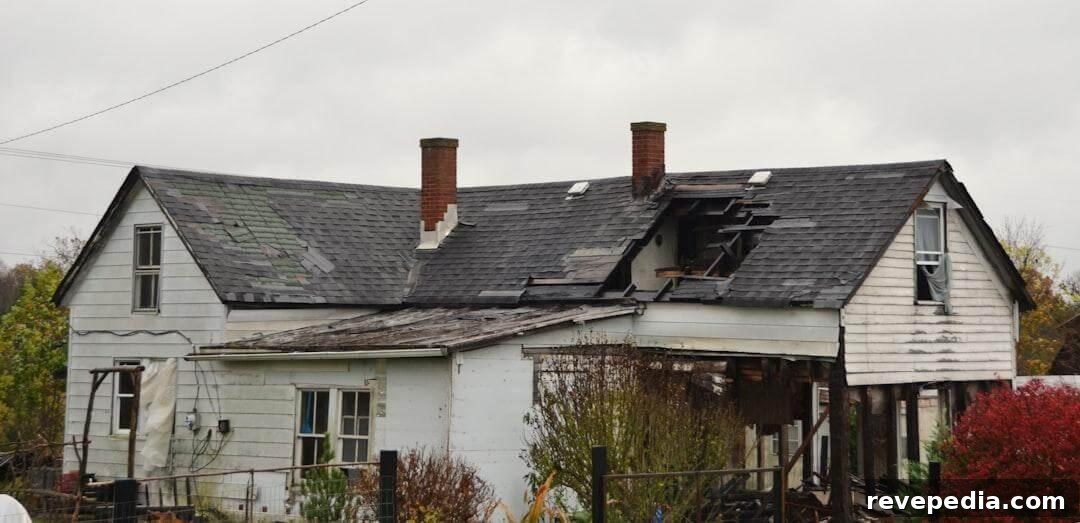
Photo by Roger Starnes Sr on Unsplash
When repair costs or time commitments outpace your budget and patience, an as-is cash buyer can be a practical alternative. Companies that buy homes for cash purchase properties in their current condition, with no required repairs and no agent commissions. This guide explains how to recognize the tipping point—especially useful for sellers in Texas—and how to weigh the choice between repairing and selling as-is.
When Does a Fixer-Upper Cost More Than It’s Worth?
A fixer-upper stops making financial sense when the projected repair costs approach or exceed the home’s after-repair value. At that point, sweat equity and minor updates won’t deliver a positive return.
High-cost, structural or system failures are the clearest warning signs. A failing foundation, an aging roof, or the need for full electrical rewiring can each run into five figures. Combine two or more of these problems and the numbers quickly turn negative.
Time is also a real expense. While the property sits, you remain responsible for taxes, insurance, utilities, and ongoing maintenance. In Texas, most insurers may cancel coverage if a house is vacant for 60 days or longer, which adds risk and potential cost to long renovation timelines.
Additionally, many repairs require licensed professionals, permits, and inspections. Once the scope of work demands licensed trades, the project is no longer a series of weekend tasks; it becomes a significant contractor-managed undertaking. For many homeowners, a straightforward cash sale is faster and less stressful than managing a large renovation.
How to Accurately Calculate Repair Costs
Start with a written inventory of needed repairs before you make any decisions. A clear, itemized budget reveals whether investing in repairs is realistic.
Walk the property and price fixes in a logical order:
- Inspect foundation, roof, and framing for structural problems first.
- Evaluate electrical panels, wiring, and plumbing for code violations or safety concerns.
- Assess HVAC systems—replacing an entire system can cost several thousand dollars.
- Separate cosmetic items such as paint, flooring, cabinets, and fixtures.
- Include a 15% contingency for hidden issues revealed during demolition or repair.
- Compare your total projected cost to recent sale prices of comparable finished homes in the neighborhood.
Use a detailed renovation budget that breaks each category into its own line item. If the repair total approaches or exceeds the expected market value for a renovated home, seriously consider selling as-is to avoid further financial loss.
What Texas Sellers Should Know About Selling As-Is
Selling as-is means the buyer accepts the property in its current condition and the seller typically does not perform repairs. The process often moves faster and with less preparation, but sellers must still disclose known defects.
In Texas, most previously occupied homes require a seller’s disclosure form under the Property Code. This disclosure lists known issues but does not obligate you to make repairs. Cash buyers typically review the disclosure, factor repair costs into their offer, and proceed with purchase if they are comfortable with the condition. Failing to provide the disclosure can leave the seller vulnerable to later disputes.
The timeline for an as-is cash sale is usually short and predictable: a buyer inspects the home, often within 24 to 48 hours, submits a written offer, and the parties choose a closing date. Many cash transactions close within about 7 to 14 days once the title is clear.

Photo by Emilio Takas on Unsplash
Which Repairs Send Financed Buyers Running?
Some defects will deter buyers who need a mortgage. Lenders often require repairs before approving a loan, which can scuttle deals if the seller is unwilling or unable to address the issues.
Common deal-breakers for financed buyers include:
- Major foundation cracks, shifting footing, or noticeably sloping floors.
- A roof that is well past its useful life, with active leaks or missing shingles.
- Outdated electrical systems, inadequate panels, or unsafe wiring.
- Failing plumbing systems, broken water heaters, or septic and well problems.
- Mold, persistent water damage, or long-term moisture issues within walls or basements.
Cash buyers usually accept these defects and price them into their offers, while buyers using mortgage financing may withdraw or delay pending repairs. Understanding which issues require licensed trades and permits helps you decide whether to repair or sell as-is.
How to Decide: Repair or Sell As-Is?
Match your decision to your available time, budget, and skill level. There isn’t a one-size-fits-all answer.
Choose to repair when most needed work is cosmetic and you can complete a majority of it yourself or afford licensed trades without jeopardizing your finances. Projects such as fresh paint, new fixtures, or flooring often boost market value with relatively low cost and can be manageable for owner-occupants.
Choose to sell as-is when repairs require licensed trades, extensive permits, or when the total investment would deplete your savings. A cash offer transfers repair risk to the buyer and provides a faster, cleaner exit—especially useful if you need to move quickly or avoid ongoing holding costs.
Quick Decision Checklist
- Create a detailed written list of every repair and line-item cost before committing.
- Compare that total to sale prices of comparable renovated homes nearby.
- Factor in ongoing holding costs: taxes, insurance, utilities, and maintenance.
- Consider selling as-is if major structural or system repairs exceed your budget.
- Keep cosmetic upgrades if you have the time, skills, and resources to complete them cost-effectively.
Is an As-Is Cash Sale the Right Move?
An as-is cash sale isn’t the best choice for every property, but it can be the smartest move for a fixer-upper you cannot afford to finish. When projected repair costs outstrip the home’s potential value, a cash offer stops the financial drain and removes repair risk. Run the numbers carefully, follow the checklist above, and choose the route that preserves your budget and timeline.
Frequently Asked Questions
How do I know a house needs more than a DIY fix?
Look for structural issues, major roof problems, or system failures that require permits and licensed professionals. If two or more of these issues are present, the project often exceeds a DIY scope.
Do I still need a seller’s disclosure for an as-is cash sale?
Yes. In Texas, sellers must complete a disclosure notice for most previously occupied homes. You disclose known defects but are not required to make repairs.
How fast can an as-is cash sale close in Texas?
Many cash sales close in 7 to 14 days once title is clear, since there is no lender-required appraisal or financing timeline. The exact timing depends on title issues and the agreed closing date.
Will a bad roof or foundation block a cash sale?
No. Cash buyers typically accept these defects and factor repair costs into their offers. Financed buyers, however, may be prevented from purchasing without repairs.