If your workshop is your sanctuary, you already know how quickly the meter climbs when the table saw, heater, and task lighting come on. Those weekend projects that feed your creativity can also inflate your utility bill fast. For DIYers who value independence and practicality, leaning on the grid for every amp can feel contrary to the whole point of a self-built workspace. Why not take control of the power that runs your tools, lights, and comfort systems?
Integrating solar photovoltaic (PV) power into a DIY workshop delivers reliability, resilience, and long-term savings. Properly planned and installed, a solar setup helps your workshop run more like a self-sustaining workspace—supporting heavy loads, providing backup during outages, and reducing operating costs over time.
Why Solar Is a Smart Choice for Workshops
Workshops are among the most energy-intensive rooms in a home. Welders, air compressors, dust collection systems, and battery chargers draw substantial current. Even intermittently used tools add up when charging and run-time overlap.
Solar PV offers three clear benefits:
- Lower operating costs: Generate on-site power during daytime hours and reduce your reliance on purchased electricity, particularly during peak pricing.
- Improved resilience: Pair panels with battery storage to keep essential circuits and lighting powered during grid outages.
- Future-proofing: As more tools and equipment shift to electric operation, a planned solar system helps meet increasing demand without urgent retrofits later.
Begin with Real Power Needs
Before you mount panels, measure actual demand. Walk through the workshop and list the biggest electrical loads: table saw, compressor, heater, dust collector, chargers, and any EV charging equipment. Check nameplate wattages and estimate which devices run simultaneously.
Accurate load assessment separates systems that simply look good on paper from systems that deliver. A tiny panel kit that powers only LEDs won’t meaningfully offset a workshop that runs heavy equipment. A properly sized PV array and battery bank can support typical workflows and critical outlets during outages.
Also consider when you work in the shop. If you use the space during daylight hours, you can consume much of the solar generation directly. If you’re an evening builder, prioritize battery storage to shift solar energy to when you need it most.
Roof Space, Orientation, and Structural Considerations
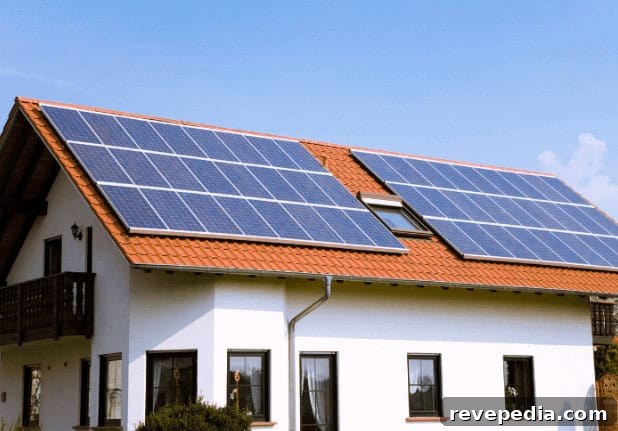
Not every workshop roof is automatically ideal for solar. South-facing roofs capture the most sun in the U.S., but east- and west-facing arrays still perform well. Evaluate shading from trees, neighboring structures, or overhangs—shading can significantly reduce output.
Detached garages and lighter-framed workshop roofs may need structural reinforcement to handle panel and racking loads. A professional structural evaluation ensures safe installation and avoids costly mistakes. Experienced installers can also optimize panel layout, pitch, and wiring to maximize performance on your specific roof.
Grid-Tied vs. Hybrid Systems
Choosing between a grid-tied and a hybrid system determines how your workshop interacts with the utility. A grid-tied solar array exports excess generation and draws from the grid when needed; it’s cost-effective but typically won’t operate during outages unless paired with battery storage and an automatic transfer switch.
A hybrid system integrates solar, batteries, and grid connection. During sunny hours you run on solar, batteries cover evening and peak loads, and the grid provides backup when needed. For most suburban DIYers, a hybrid design provides a balance of bill reduction and backup power for critical circuits—lighting, outlets, garage doors, and possibly a small refrigerator or freezer.
Battery Storage: Essential for Flexibility and Backup
Panels create electricity when the sun shines; batteries let you use that energy on demand. In a workshop, batteries enable heavy evening use without drawing from the grid and provide emergency capability during outages so you can continue repairs or critical tasks.
When selecting batteries, focus on usable capacity (kilowatt-hours), continuous and peak discharge rates, and cycle life. Ensure the battery system can handle startup surges from motors and compressors. Marketing specs don’t mean much if the battery can’t deliver the power your tools require.
Electrical Integration and Safety
Solar integration must prioritize safety and code compliance. Systems tie into your main electrical service, and improper wiring creates risks. Even experienced DIYers should hire a licensed electrician for final connections, inspections, and to ensure compliance with local codes and permit requirements.
Typical electrical components and upgrades include:
- An inverter to convert DC power from panels into usable AC power
- A dedicated breaker or breakers in the main service panel
- An optional subpanel for critical workshop circuits to isolate essential loads
- An automatic transfer switch or critical loads panel for safe backup operation
Coordinating solar integration with any planned upgrades—such as service capacity increases or labeled circuits—saves time and reduces overall project complexity.
Workflow Benefits and Property Value
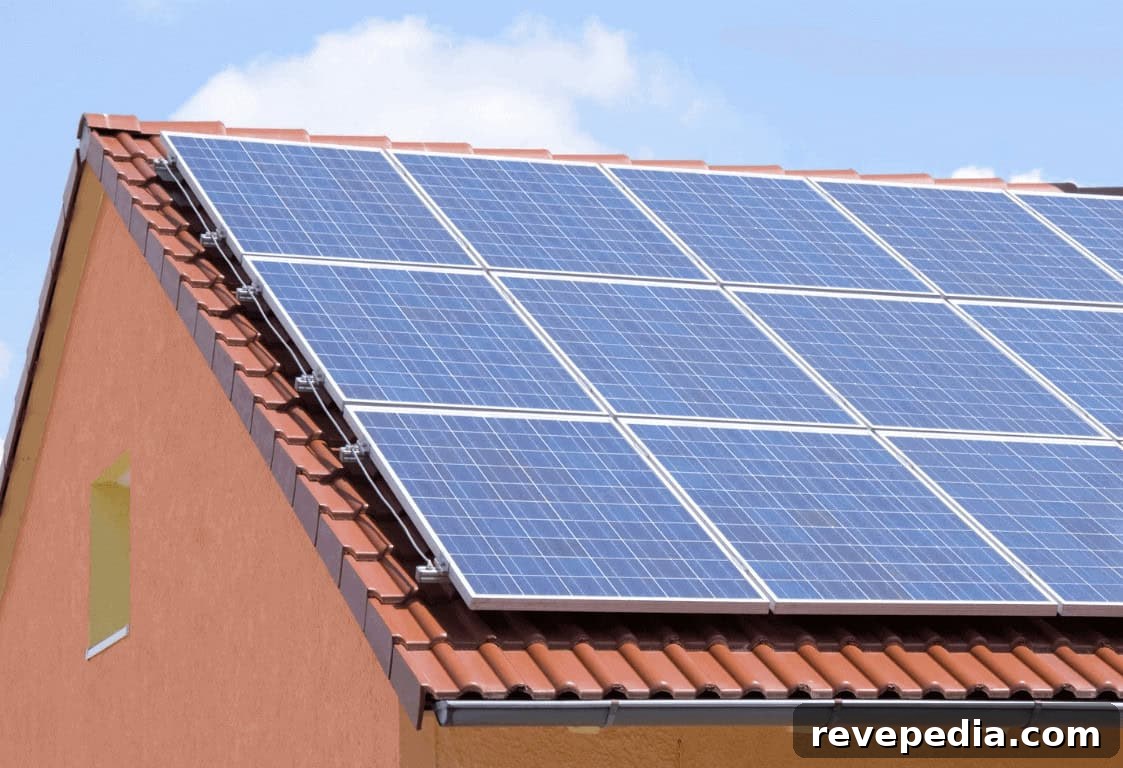
The practical outcome of a well-designed solar workshop is confidence. When much of your power comes from your roof, you make decisions based on execution instead of cost anxiety. You move from “Can I afford to run this?” to “Let’s build it.”
Solar also adds real property value. Energy-efficient homes and outbuildings are more attractive to buyers, and a workshop with reliable solar-backed power appeals to serious DIYers and professionals alike.
Common Pitfalls to Avoid
DIYers often underestimate energy consumption and oversize expectations for small systems. Installing a minimal array and expecting major bill reductions leads to disappointment. Other common mistakes include neglecting permits and local regulations; skipping permit processes can create complications with resale or insurance. Finally, view solar as one component of a larger efficiency plan—seal air leaks, improve insulation, install LED lighting, and optimize ventilation to reduce overall energy needs.
Conclusion
Integrating solar PV into your workshop makes the space more capable, resilient, and efficient. With realistic load calculations, attention to roof and structural considerations, and professional electrical connections where required, a solar-powered workshop delivers lower operating costs, backup power during outages, and greater control over how and when your tools run.
Beyond energy savings, solar brings peace of mind: projects get completed without constant worry about running up the utility bill. Your workshop becomes not only a place to build, but a smart, self-reliant workspace powered by the sun above.