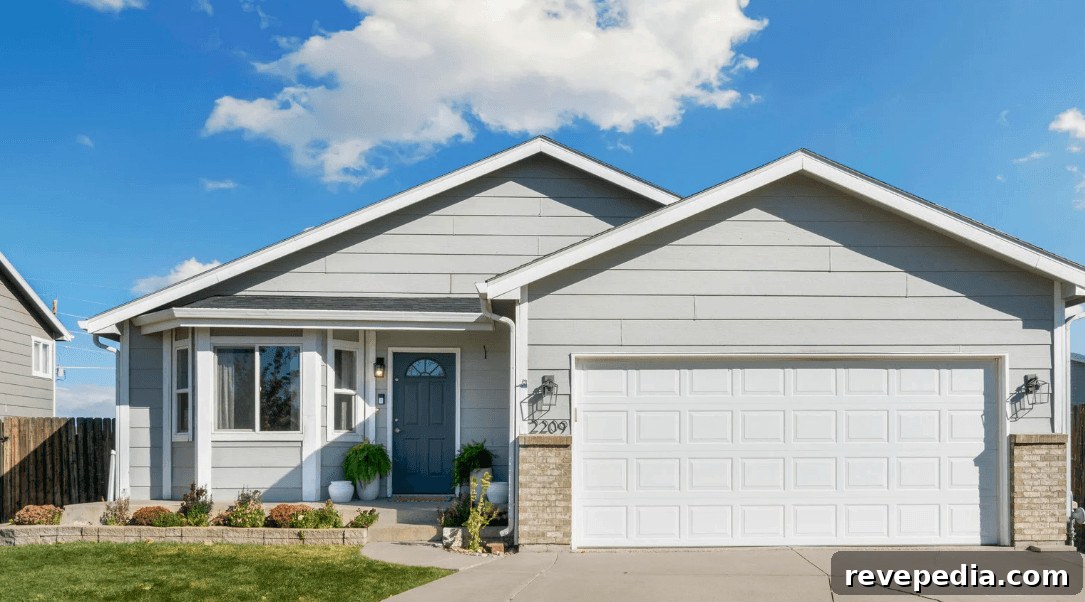
A garage door may look like a simple part of a home, but it relies on a coordinated system of springs, tracks, rollers, seals, cables, sensors, and electrical components. Changes in temperature and severe weather can affect those parts in surprising ways, altering how smoothly and safely the door operates.
Homeowners searching for garage door repair in central Ohio or other regions often find that problems stem not only from age or daily wear but from environmental influences. Heat, cold, moisture, wind, and fluctuating humidity all affect a garage door’s performance and longevity.
Knowing how weather impacts a garage door makes it easier to spot early warning signs before a minor issue becomes a safety risk. Seasonal maintenance reduces strain on components and helps extend the life of the entire system.
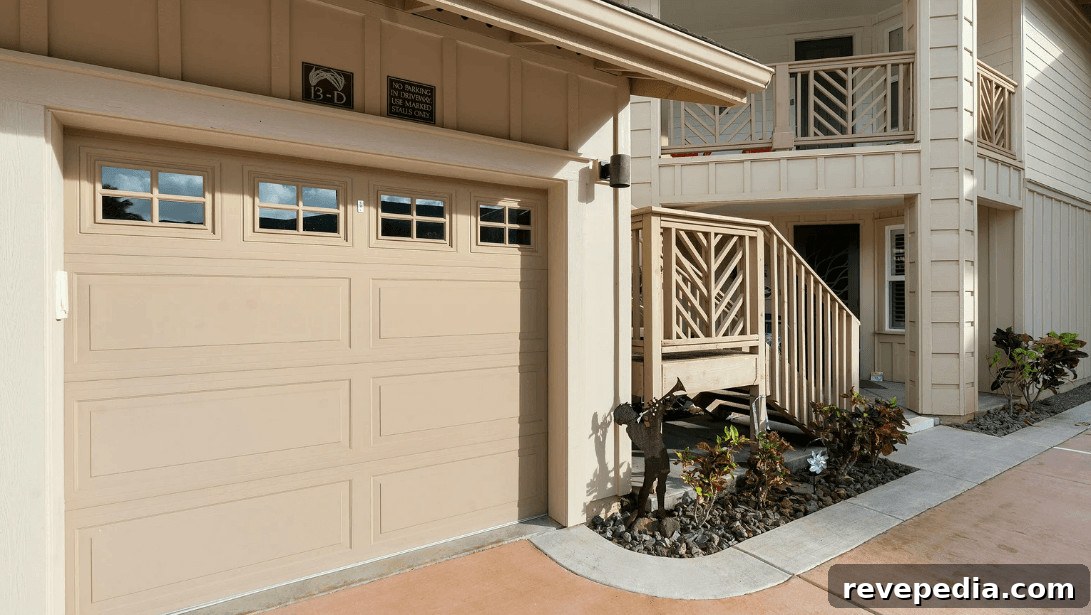
Cold Weather Can Make Moving Parts Less Cooperative
Winter temperatures commonly affect garage door performance, especially where metal parts must move precisely together. Metal contracts slightly as temperatures drop; while usually minimal, this contraction can change alignment for worn springs, tracks, and hinges. A door that worked fine in warmer months may become sluggish, noisy, or require the opener to work harder.
Lubricants thicken in cold weather, reducing the efficiency of rollers, hinges, and springs if they are not properly serviced. That thicker lubricant often results in squeaking, grinding, or jerky movement. Ice can also form at the door’s bottom, freezing the rubber seal to the driveway or floor; forcing the door open while frozen risks straining the opener or tearing the seal. If the door seems stuck after freezing conditions, check for ice before repeatedly pressing the opener.
Summer Heat Can Put Different Stress on the System
High temperatures and direct sunlight bring other challenges. Materials expand as they heat, and prolonged exposure can affect both mechanical parts and electronics. Metal tracks and hardware may expand enough to reveal pre-existing alignment issues; rollers might rub, and the door may no longer move as smoothly.
Garage door openers and control electronics can suffer when garages become hot and poorly ventilated. Consistent high temperatures add stress and can shorten component life. Wood doors are particularly vulnerable: heat and dryness can lead to shrinking, cracking, or warping over time unless finishes are maintained. Even the door’s color influences heat absorption—darker doors get hotter and therefore expand more in sunlight.
Rain and Humidity Encourage Corrosion
Water is one of the most persistent threats to garage door hardware. While occasional rain is expected, repeated moisture exposure accelerates corrosion of springs, cables, fasteners, and tracks. Rust usually develops slowly, but unchecked surface corrosion can eventually weaken parts or interfere with smooth operation.
High humidity creates similar problems by producing condensation on metal parts, especially when indoor and outdoor temperatures differ. Keeping the garage dry, replacing damaged weather stripping, and ensuring good drainage around the door help prevent moisture-related deterioration.
Strong Winds Test Structural Strength
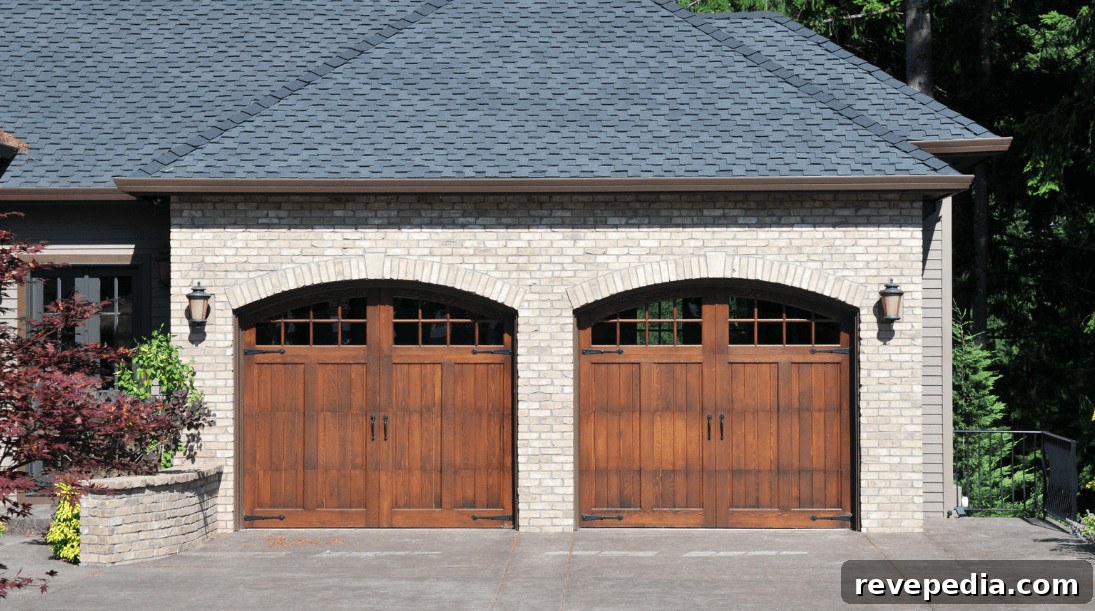
Because garage doors cover one of the largest openings on a home, strong winds can place significant pressure on panels, tracks, brackets, and hinges—especially during storms and high-wind events. Additional stress quickly exposes loose or damaged hardware.
Keep the door fully closed during severe winds; leaving it partially open increases pressure and the chance of damage. After storms, visually inspect for bent panels, loose hardware, damaged seals, or gaps. If the door looks distorted or no longer travels normally, avoid operating it further and arrange an inspection, since continued use can worsen the problem.
Debris driven by wind—branches, outdoor furniture, or trash containers—can also strike the door. Even cosmetic dents may affect alignment or movement and should be examined.
Rapid Temperature Changes Reveal Hidden Problems
Frequent swings between warm and cold can produce as much wear as more extreme single events. Repeated expansion and contraction of materials over time loosens fasteners, degrades seals, and alters alignment. Components nearing the end of their service life often begin showing symptoms during periods of rapid temperature change.
Owners may notice the door behaving differently at various times of day—smooth in the cool morning, noisy after hours of sun; or slower overnight in winter. Tracking when problems occur helps determine whether temperature, moisture, or another factor is causing them.
Weather Stripping Plays a Bigger Role Than It Seems
Weather stripping does more than keep out leaves and rain: it forms a protective barrier against temperature extremes, moisture, dust, and pests. Damaged bottom seals allow drafts, water intrusion, and debris; side and top seals deteriorate from sunlight and thermal cycling.
Inspect seals several times a year. Look for cracks, brittleness, missing sections, or visible daylight around the closed door—these are signs a replacement is needed. Well-maintained seals help stabilize garage temperatures, which is especially valuable when the garage is attached to a home and can affect adjacent living spaces.
Seasonal Maintenance Prevents Bigger Surprises
While you cannot control the weather, many effects on a garage door can be managed through routine maintenance. Periodic checks of rollers, tracks, weather seals, visible hardware, and overall door movement catch small changes before they become major issues. Appropriate garage door lubricant keeps moving parts functioning smoothly, and keeping tracks clean prevents debris from interfering with travel.
Listen for new rattling, scraping, popping, or grinding noises—these often provide early warning of a developing problem even if the door still opens. Springs, cables, and other high-tension components store significant energy and can cause serious injury if handled incorrectly; repairs involving these parts are safest when performed by trained technicians.
A Little Weather Awareness Goes a Long Way
Garage doors face the elements every day, so seasonal changes inevitably affect performance. Cold stiffens movement, heat increases expansion, moisture promotes corrosion, and strong winds challenge structural components. Over time, repeated exposure adds up.
Paying attention to how a door behaves across seasons helps homeowners detect issues early. Routine maintenance, intact weather seals, and timely professional inspections keep the system operating more reliably regardless of the forecast. A garage door does not have to perform exactly the same in every season, but significant changes in speed, sound, alignment, or travel should be addressed promptly to avoid unnecessary wear or unexpected failure.