
If you’ve lived in Rio Rancho for any length of time, you’re likely familiar with the West Mesa wind: a persistent, high-velocity breeze that sweeps across the open mesa terrain and affects roofs and building exteriors differently than in more sheltered parts of the Albuquerque metro. That consistent wind exposure is a distinct factor in how Rio Rancho roofing systems should be specified and installed, separate from the general high-desert issues that affect the entire region.
Why Rio Rancho’s Terrain Produces a Unique Wind Pattern
Rio Rancho sits on an open mesa west of the Rio Grande. Unlike some neighborhoods in Albuquerque, this area lacks the dense urban structure, canyons, river valley vegetation, and mountain ridges that act as natural windbreaks. As a result, winds accelerate across the flat, exposed terrain and remain strong for extended periods.
Because the wind is less obstructed, it carries fine desert sand and dust that travel at high speed across roof surfaces. Standard asphalt shingles rated for typical high-desert gusts—often around 60 miles per hour—can be tested much more severely here. Homeowners and builders should treat Rio Rancho as a specific microclimate where wind loading and abrasive airborne particles are both ongoing concerns.
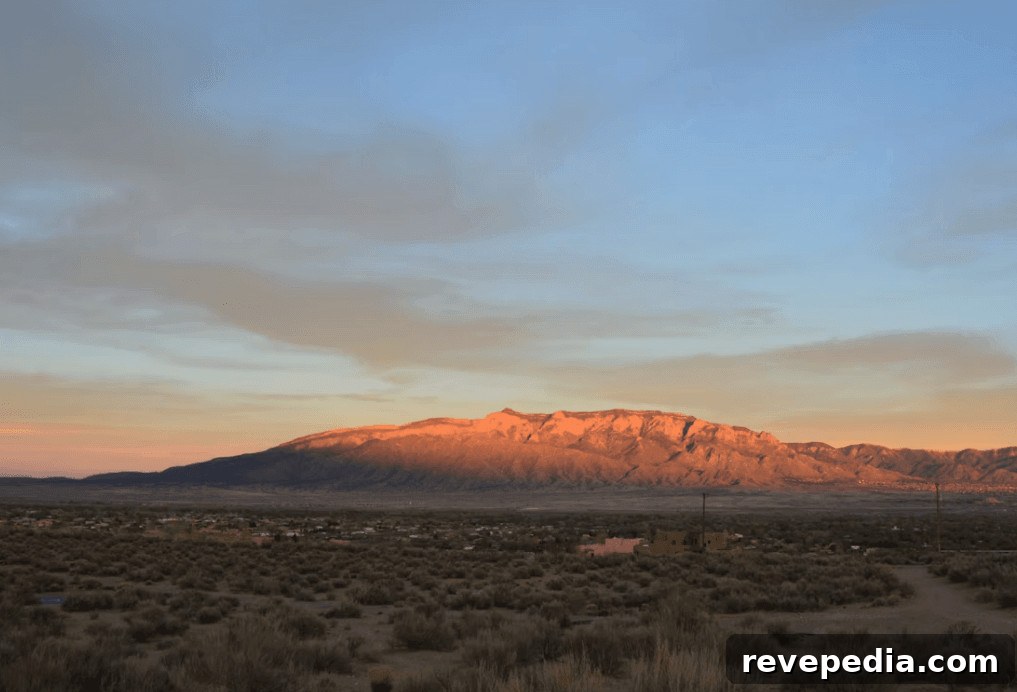
Photo credit: Derek Olson
Wind-Driven Sand: A Separate and Compounding Issue
High winds alone create uplift and stress on roofing materials. In Rio Rancho, however, the wind routinely transports sand and grit that behave like an abrasive agent, gradually wearing away protective coatings and shingle granules. This abrasive erosion accelerates weathering beyond what ultraviolet radiation and temperature extremes alone would cause.
In practice, that means a roof in Rio Rancho faces two simultaneous challenges: mechanical force from sustained winds and ongoing surface abrasion from wind-driven sand. Both reduce the effective lifespan of roofing materials if the product selection and installation do not explicitly account for them.
Material Choices That Matter for Rio Rancho Roofing
Given the combination of wind force and abrasive particles, material selection is especially important for Rio Rancho homes. Prioritize products and systems that have proven performance under higher sustained wind speeds and abrasive conditions:
- High-wind-rated roofing products that have been tested for sustained winds well above standard 60 mph ratings.
- Metal roofing systems, which offer excellent wind resistance and a smooth factory finish that sheds sand and debris. Quality metal roofs can be specified with warranties and wind ratings exceeding 140 mph, and their non-porous surface resists the abrasive wear that affects softer, granular materials.
- Concrete or clay tile, which combines strong wind and UV resistance with a long service life and an aesthetic that suits Spanish Colonial and Pueblo-style homes common in the area.
- Heavier, well-sealed membrane systems for low-slope areas, where abrasion and edge uplift require specific attachment and edge details.
- Correct fastening, fastener pattern, and edge detailing. Even the best wind-rated materials will underperform without installation methods that manage uplift at ridges, eaves, hips, and penetrations.
Flashing, Sealants, and Thermal Cycling
Rio Rancho experiences large daily temperature swings—often 40 degrees or more between daytime highs and nighttime lows. That thermal cycling causes materials to expand and contract, which stresses seams, flashing, and fasteners over time. When wind-driven sand works its way into any small gap, it accelerates abrasion and can hasten sealant degradation.
As a result, failures around roof penetrations—vents, chimneys, skylights, and evaporative cooler penetrations—tend to develop and progress faster here than in more sheltered locations. Selecting durable flashing materials, high-quality sealants rated for large temperature swings, and careful detailing reduces the likelihood of premature failures.
Insurance Considerations for Wind and Hail
Typical New Mexico homeowner insurance policies cover wind and hail damage, but coverage details and documentation requirements vary by carrier. Given how frequently Rio Rancho’s wind environment stresses roofing systems, homeowners should confirm policy specifics, coverage limits, and the type of proof insurers require after a wind event. Proactive documentation—dated photos, maintenance records, and professional inspection reports—can simplify the claims process if the roof sustains damage.
Getting a Roof Built for Rio Rancho’s Wind Exposure
Because the West Mesa wind pattern places unique demands on roofing, it’s important to work with contractors and roof system manufacturers who understand local conditions. Ask prospective roofing professionals about their experience with Rio Rancho projects, wind-rating recommendations, fastening patterns, and protective details tailored to wind-driven sand and thermal cycling.
Specifying appropriate materials and installation practices—metal or tile options, high-wind-rated shingles where suitable, reinforced flashing, and meticulous edge detailing—results in a roof that withstands the West Mesa wind and lasts longer. A carefully specified and properly installed roof protects your home, reduces maintenance costs over time, and provides better long-term value in Rio Rancho’s particular climate.