
Home should be a comfortable retreat, but it can quickly start to feel crowded. If you need more room for a growing family, a home office, or simply a brighter place to relax, expanding your living space can feel daunting—especially when you’re watching your budget. The good news is that practical, affordable options exist to help you gain space without overspending.
Gaining usable square footage is often easier than you imagine. With thoughtful planning, a few do-it-yourself projects, and a focus on efficient design, you can create the additional space you need. Below are practical strategies to help you expand your home while keeping costs under control.
Plan Smartly
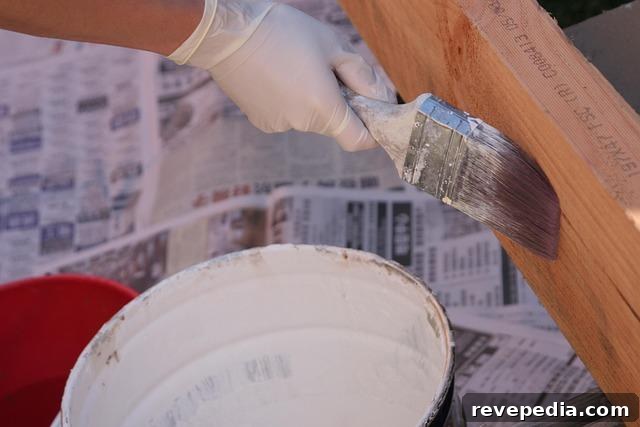
Begin by clarifying what you need. Identify the rooms or areas that feel cramped and decide how the new space will be used—an extra bedroom, a workshop, an outdoor living area, or a quiet home office. A clear vision makes it easier to choose the most cost-effective solutions and to prioritize expenses.
Create a realistic budget before you begin. Factor in materials, labor, and any necessary permits or inspections. Planning carefully up front reduces the chance of unexpected costs and helps you select solutions that deliver the best value for your money.
Work with a Home Addition Contractor
A qualified home addition contractor can turn your ideas into a workable plan. Professionals bring knowledge of local building codes and practical experience that can save both time and money. Whether you’re adding a room or reconfiguring existing space, a contractor can recommend cost-conscious approaches and materials.
Hiring a contractor also means you don’t have to manage every detail yourself. A reliable contractor will coordinate tradespeople, secure permits, and ensure the work meets safety and quality standards—freeing you to focus on the outcome rather than the logistics.
Do-It-Yourself Projects
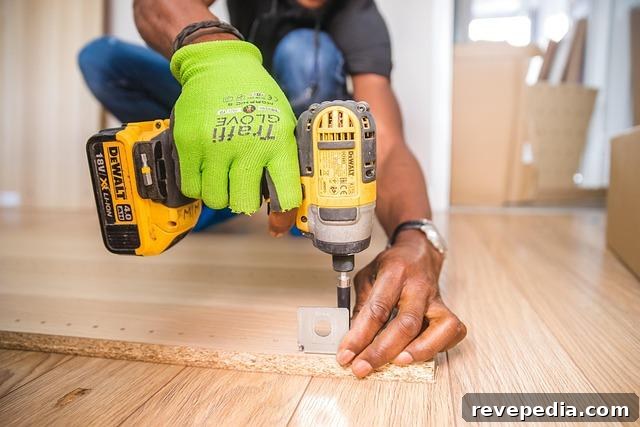
DIY projects are one of the most budget-friendly ways to expand your home’s usable space. While building a large addition may be costly, adapting underused areas like attics, basements, or garages can provide significant new living space at a fraction of the cost.
Outdoor projects are another affordable option. A simple deck or patio built with economical materials can extend your living space outdoors. With seating, lighting, and a few decorative elements such as a fire pit or outdoor rugs, you can create an inviting extension of your home for entertaining or relaxing.
Choose Affordable Materials
Material choices have a major impact on the final cost. Consider engineered wood, composite decking, or other alternative materials that offer durability and style at lower prices than premium options. Matching material performance to need—rather than defaulting to high-end products—keeps costs sensible without sacrificing quality.
Look for reclaimed or second-hand materials from salvage yards and online marketplaces. Reclaimed wood, fixtures, and hardware can lend character and reduce expenses, while also supporting sustainable building practices.
Maximize Existing Space
Often the most cost-effective expansion starts by rethinking how you use what you already have. Decluttering and organizing can instantly make rooms feel larger. Clearing out seldom-used items, consolidating storage, and simplifying layouts all contribute to a more open, airy home.
Designing multi-functional spaces also stretches your square footage. A guest room that doubles as an office, a dining table that converts into a workspace, or a living area with flexible seating can accommodate multiple needs without adding walls. Small adjustments—rearranging furniture, removing bulky items, or adding a mirror to reflect light—can produce noticeable improvements.
Use Vertical Space
Vertical storage is a powerful way to free up floor space. Tall shelves, wall-mounted cabinets, and overhead storage systems make use of unused wall and ceiling areas. Built-in units that reach toward the ceiling provide ample storage while keeping the footprint small.
Vertical features don’t have to be solely functional—vertical gardens, hanging plants, or decorative shelving can add style and life to a room without sacrificing square footage.
Leverage Natural Light
Light plays a major role in how spacious a room feels. Bright, sunlit spaces appear larger and more inviting. If possible, add windows, glass doors, or skylights to bring in daylight. Where structural changes aren’t feasible, lighter paint colors, well-placed mirrors, and reflective surfaces help bounce light around the room and create a sense of openness.
Create Outdoor Living Areas
Expanding into your yard is often far less expensive than building an indoor addition. Creating outdoor rooms—such as a pergola, covered patio, or simple terrace—adds valuable living space for dining, entertaining, or relaxation. Outdoor kitchens, built-in seating, or a modest fire pit can transform a backyard into a functional extension of your home.
Even small outdoor improvements—string lights, comfy seating, and weatherproof textiles—can make the space feel cozy and usable most of the year, depending on your climate.
Smart Storage Solutions
Efficient storage is central to a well-organized, spacious-feeling home. Opt for furniture that doubles as storage—ottomans with hidden compartments, beds with drawers, and coffee tables with shelving. Under-bed boxes, closet organizers, and labeled storage bins help keep belongings tidy and accessible.
Plan storage around the way your household lives: assign zones for seasonal items, kid’s toys, and daily essentials so everything has a place. When clutter is controlled, rooms feel larger and more functional.
Expanding your home on a budget is a mix of smart planning, creative solutions, and selective investment. Whether you reconfigure existing rooms, add outdoor living areas, or pursue a modest addition, small thoughtful changes add up. With patience and practical choices, you can create more usable space that suits your lifestyle without breaking the bank.