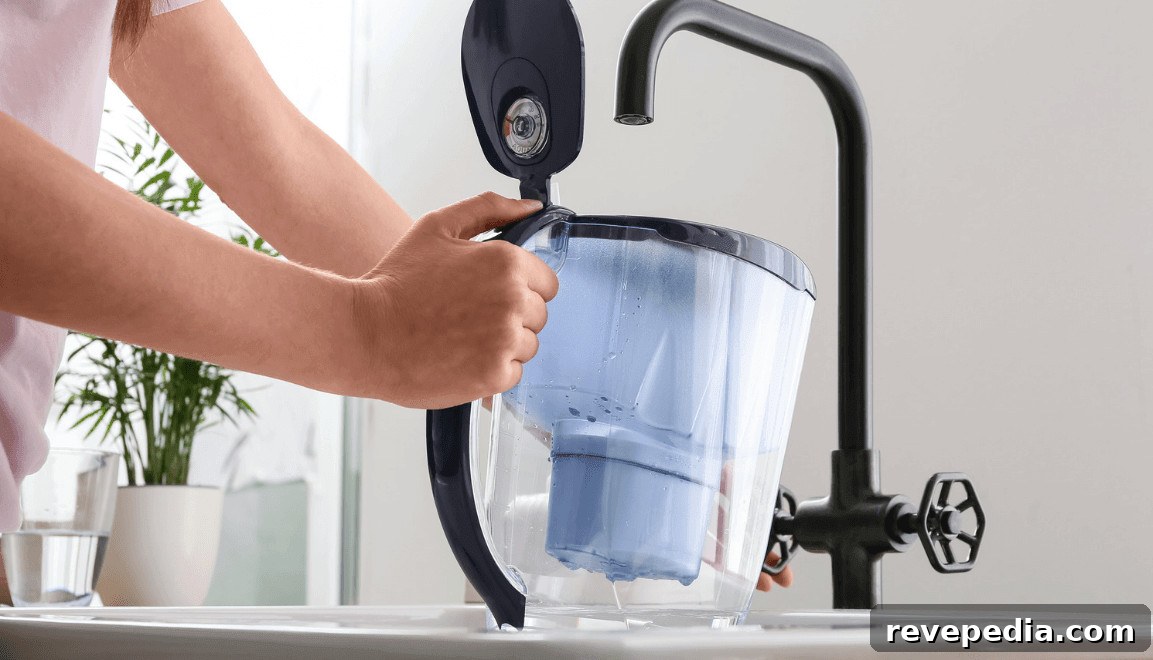
Water quality has a direct impact on the performance and lifespan of household appliances. Hard or contaminated water causes scale buildup, clogs, and accelerated wear, which can lead to more frequent repairs or premature replacement. To avoid unnecessary expense and keep appliances running efficiently, it is important to choose appropriate water filtration and maintain it correctly.
The right water filtration solution protects appliances differently depending on the contaminants present and the appliance type. This article explains how water affects common household devices, outlines filter types and their functions, and provides practical guidance for selecting and maintaining filters that will safeguard washers, dishwashers, refrigerators, boilers, and water heaters.
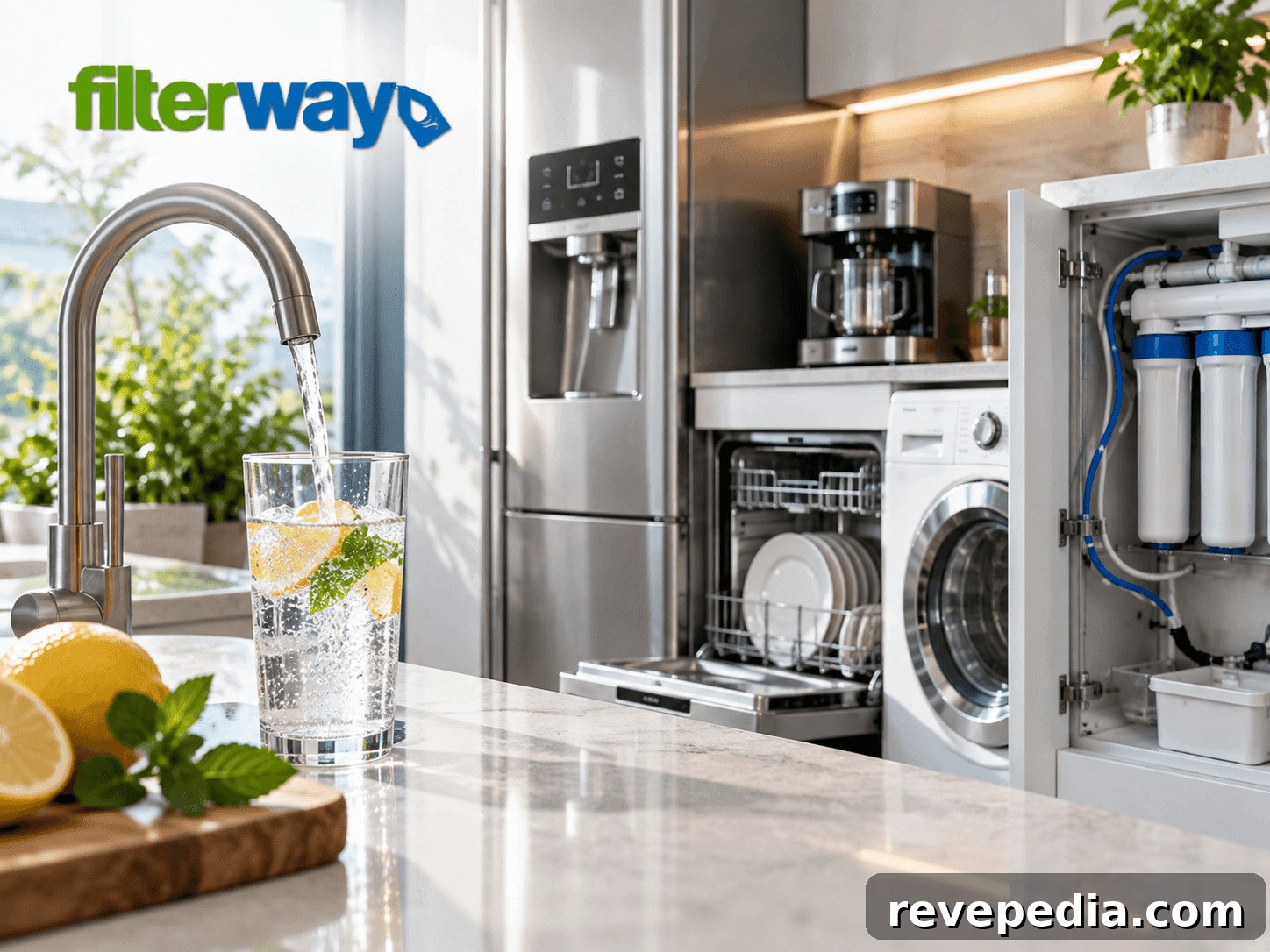
The Role of Filtration in Protecting Household Appliances
Water entering a residence often contains dissolved minerals, rust, sediment, chlorine, and organic compounds. Each contaminant group affects appliances in different ways:
- Hard water minerals (calcium and magnesium) form scale on heating elements and inside plumbing, reducing heat transfer efficiency and increasing energy use;
- Rust and sediment can clog valves, inlet screens, and small passages, restricting flow and causing mechanical issues;
- Chlorine and chlorination by-products can affect taste and odor in drinking water and may interact with internal components over time;
- Chemical impurities and organic matter can influence water quality and, in some cases, promote fouling in certain systems.
Addressing the specific contaminants in your supply with the right filtration strategy can reduce maintenance needs and improve appliance longevity.
Common Contaminants That Harm Appliances
Appliances most often suffer from:
- Scale from dissolved hardness minerals;
- Mechanical wear or blockages caused by sediment and rust;
- Reduced water taste or odor due to chlorine and organic compounds;
- Performance loss when detergents and soaps do not function well in hard water.
Identifying the primary issue—hardness, sediment, chlorine, or a combination—will guide filter selection and ensure the best protection for specific devices.
Types of Water Filters for Household Appliances
Different filter technologies target different problems. Understanding how each type works helps you match a solution to your needs:
- Mechanical (sediment) filters: Trap sand, rust, dirt, and larger particles before they reach appliances. Typically installed at the main inlet or on individual supply lines to protect valves and screens.
- Water softeners (ion exchange): Reduce calcium and magnesium levels to prevent scale formation on heating elements and internal surfaces. These are commonly used for washing machines, dishwashers, and water heaters in hard-water areas.
- Activated carbon filters: Remove chlorine, improve taste and odor, and reduce some organic contaminants. Frequently used for refrigerators with water and ice dispensers and for dedicated drinking-water systems.
- Multistage systems: Combine sediment, carbon, and sometimes additional media (such as specialty resins) to address multiple water quality issues in a single installation.
Note that no single filter handles every problem: a sediment filter will not soften water, and a basic carbon cartridge will not remove hardness minerals.
Choosing Filters for Specific Appliances
Appliances have different exposure levels and water quality needs. Selection should consider the appliance function, typical operating conditions, and the type of contaminants present.
Washing Machines and Dishwashers
Hard water commonly causes white deposits on clothing and dishes and can reduce detergent effectiveness. Scale accumulates on heating elements and internal plumbing, increasing energy consumption and shortening appliance life. Installing a water softener reduces mineral deposits and improves cleaning results. If the supply contains visible sand or rust, adding a sediment filter at the appliance inlet protects valves and hoses from abrasive particles.
Refrigerators with Water and Ice Dispensers
Refrigerator filters are designed for drinking water quality and typically use activated carbon to reduce chlorine taste and odor and remove some contaminants. Choose filters compatible with your refrigerator model and follow replacement intervals to maintain water taste and reduce the risk of clogging or bacterial growth in cartridges. Verify certification and capacity claims where available, and replace cartridges according to the manufacturer’s schedule.
Boilers and Water Heaters
Because water heaters heat continuously, they are particularly vulnerable to scale buildup. Hard water reduces heating efficiency and can increase energy costs while shortening equipment life. A water softener is an effective way to reduce these deposits. In systems where sand, rust, or other particulate matter is present, a mechanical filter ahead of the heater prevents abrasive damage and clogs. Regular flushing and following manufacturer maintenance recommendations remain essential even with filtration in place.
How to Select the Right Filter
Start by testing or obtaining a recent water quality report to identify hardness, sediment levels, chlorine presence, and any relevant chemical contaminants. Use this information to match filter technology to the problems you observe:
- If you see white scale on faucets and dishes, prioritize a water softener;
- If faucet screens and inlet filters collect sand or rust, install a sediment filter;
- If water has a chlorine smell or OFF taste, add an activated carbon filter for drinking water sources;
- For multiple issues, consider a multistage whole-house system that addresses sediment, chlorine, and hardness as needed.
Before purchasing, check these practical factors:
- Compatibility: Ensure the filter fits your plumbing or appliance connections;
- Flow capacity: Confirm the filter handles peak household demand without significant pressure drop;
- Operating and replacement costs: Factor in cartridge life and ongoing expenses for maintenance;
- Certifications and performance data: Look for independent testing that verifies claims for contaminant reduction.
Maintenance and Replacement Best Practices
Regular maintenance preserves filter performance and prevents flow restriction. Replace cartridges, media, and softener salt on the manufacturer’s recommended schedule or sooner if water quality or flow deteriorates. Some filters need changing every few months, while others are rated for longer service life; frequency depends on water quality and household usage.
Monitor water pressure, taste, and odor for early signs of filter exhaustion. For water softeners, maintain salt levels and periodically service control valves and brine tanks as recommended. Even with filtration, continue routine appliance maintenance such as flushing water heaters and cleaning inlet screens to maximize lifespan and efficiency.
Conclusion
A well-chosen and properly maintained water filtration system reduces scale, prevents clogs, and helps household appliances operate more efficiently and last longer. Identify the contaminants in your water first, then select filtration technologies that target those issues—mechanical filters for sediment, softeners for hardness, and carbon for taste and odor. Consider multistage or whole-house options when multiple problems are present, and factor in compatibility, flow requirements, replacement costs, and certifications when selecting components. With the right approach, filtration can significantly lower maintenance demands and protect your home’s appliances over time.