
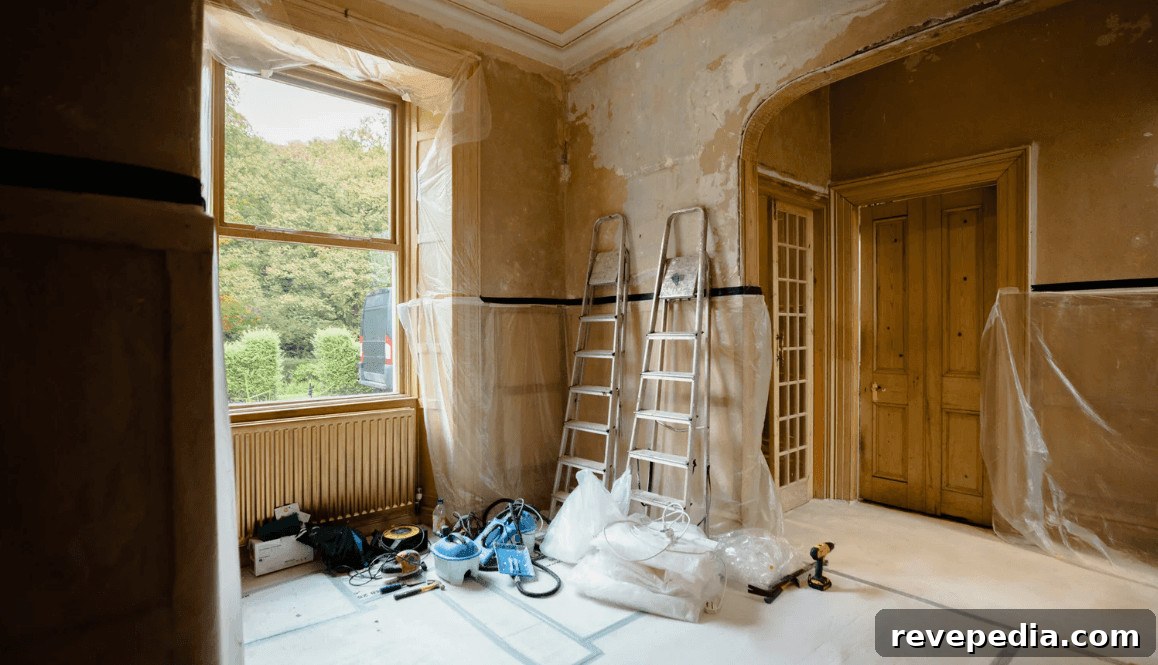
A major home renovation requires careful planning, especially when it involves structural changes, electrical upgrades, or improvements to essential home systems. In Winnipeg, where cold winters and wide seasonal temperature swings are the norm, specific pre-construction steps can prevent delays and help protect your investment.
Whether you are updating an older property, finishing a basement, or remodeling living and cooking spaces, lining up the right professional services before work begins reduces the risk of costly surprises. Below are eight essential services homeowners in Winnipeg should consider prior to a major renovation, with practical reasons and recommended timing for each.
1. Start with Safe, Professional Demolition
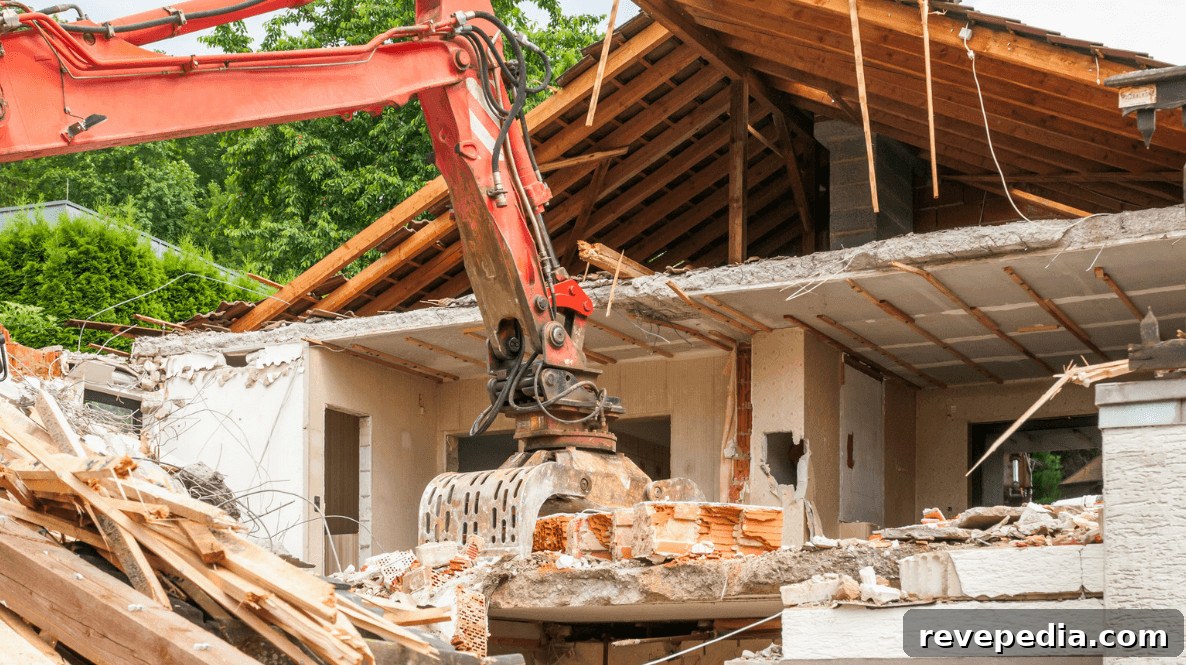
Demolition is often the first visible stage of renovation, but it should be handled by experienced professionals. Proper demolition prepares the site for reconstruction, helps protect existing finishes you intend to keep, and reduces the chance of accidental structural or utility damage.
Older Winnipeg homes can also contain hazardous materials such as asbestos in insulation, flooring, or adhesives. If asbestos or other suspect materials are present, a licensed assessor and abatement team must be engaged to test, contain, and remove the material safely. Planning for this before work begins protects occupants and workers and reduces the risk of site closures or expensive remediation later.
If you are comparing contractors for demolition, check for clear documentation of safety procedures, proper disposal plans, and relevant local experience.
2. Check Basement Structural Support Early
Basement finishing is a popular renovation in Winnipeg, but any changes to the basement should start with a structural review. Support elements such as teleposts or load-bearing beams can be old, damaged, or improperly adjusted. A structural or foundation specialist can evaluate bearing points, joist conditions, and the overall capacity of existing supports.
Identifying and fixing structural issues before installing drywall, flooring, or built-ins avoids rework and costly repairs. If teleposts need adjustment or replacement, completing that work early prevents finished spaces from shifting or settling after the renovation is complete.
3. Ensure the Electrical System Can Handle New Loads
Significant renovations often increase electrical demand. Adding a new bedroom, upgrading a kitchen, or creating a home office can require more outlets, dedicated circuits, updated service panels, or revised lighting plans.
Have a licensed electrician perform a full assessment of your electrical panel, circuits, grounding, and wiring. Older homes can have outdated wiring or undersized service that won’t safely support modern appliances and electronics. Early electrical planning makes it easier to locate outlets and switches where they will be most useful and avoids cutting into finished walls later.
4. Fix Plumbing Problems Before They Get Hidden
Plumbing failures discovered after drywall and flooring are installed are expensive and disruptive. Before renovating kitchens, bathrooms, or basement laundry spaces, inspect pipes, traps, vents, and drains for leaks, corrosion, and proper slope.
If you plan to relocate fixtures or change room layouts, a plumber can advise on the feasibility and any required upgrades to drainage or supply lines. Performing necessary repairs or reroutes before finishes are applied saves time and prevents water damage that can compromise insulation and framing.
5. Improve Heating, Cooling, and Ventilation
Heating and ventilation are critical in Winnipeg’s climate. Finishing a basement or enlarging living areas may push your existing HVAC system beyond its practical capacity. Consult an HVAC professional to assess heat load, ductwork, and ventilation requirements so the renovated spaces stay comfortable year-round.
Proper ventilation is also essential for bathrooms, kitchens, and basements to reduce humidity and the risk of condensation or mold. Coordinating HVAC upgrades with the renovation schedule ensures ducts, vents, and systems are installed in accessible locations before drywall and finishes are completed.
6. Upgrade Insulation and Air Sealing
Insulation and air sealing significantly affect comfort and energy costs in a cold-weather city. Before walls and ceilings are closed, inspect existing insulation levels, look for gaps or thermal bridges, and consider upgrades to exterior walls, rim joists, and basement ceilings.
Addressing insulation in tandem with air-sealing tasks—such as sealing penetrations around pipes, vents, and electrical boxes—improves efficiency and prevents drafts. Professional guidance helps choose suitable materials for your home’s construction and moisture conditions, avoiding unintended condensation or mold risks.
7. Inspect and Repair Exterior Elements
Interior renovations will deliver little long-term benefit if exterior deficiencies remain. Check the roof, siding, windows, doors, flashings, and exterior seals for wear or damage that could allow water infiltration or air leaks.
Winnipeg’s freeze-thaw cycles and heavy snow loads place stress on roofs and exterior flashings. Repairing or replacing damaged roofing, sealing windows and doors, and correcting drainage problems around foundations should be completed before final interior finishes go in. That sequencing protects new materials from moisture-related damage.
8. Plan Waste Removal and Site Organization
Major renovations produce significant debris—old drywall, flooring, wood, packaging, and potentially hazardous materials. A clear waste-management plan keeps the site safe and efficient. Arrange for appropriate container rental, recycling separation where practical, and safe disposal of hazardous waste.
Maintaining tidy work areas helps contractors move quickly between stages and reduces the chance of accidental damage to completed areas. Good on-site organization also helps maintain clear access for inspections and deliveries throughout the project.
Plan Thoroughly to Avoid Surprises
Spending time on pre-renovation inspections and lining up the right professionals pays off throughout a project. From safe demolition and structural checks to electrical, plumbing, HVAC, insulation, exterior repairs, and waste removal, taking a proactive approach reduces unexpected costs, shortens timelines, and results in a higher-quality finished space.
For Winnipeg homeowners, preparing for climate-related impacts—especially heating, ventilation, insulation, and moisture control—ensures that renovated areas remain comfortable, durable, and energy efficient for years to come.