
As temperatures drop and winter approaches, it’s important to prepare your home to retain heat and operate efficiently. Proper winterization reduces energy waste, lowers heating bills, and keeps your living spaces comfortable during cold weather. Below are practical, easy-to-follow steps to make your home more energy efficient before the first storm arrives.
1. Check for drafts
A large portion of heat loss occurs around doors and windows that aren’t adequately sealed. To find problem areas, move your hand about four inches from the edges of doors and windows and feel for cool air. Often it’s the small, persistent drafts that add up over time and increase your heating costs.
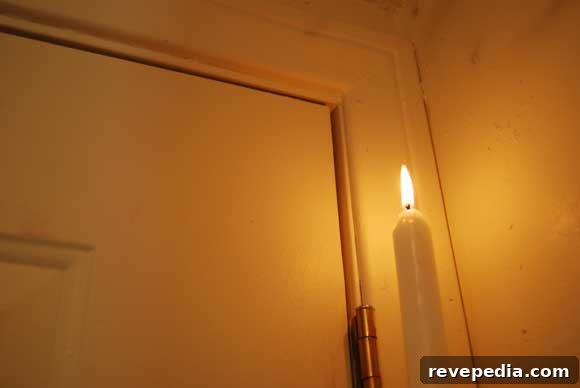
Another simple test is to use a lit candle (with children and pets kept well away) and slowly move it along the window and door frames with the room air still. Watch for the flame to flicker; that movement indicates air infiltration points needing attention.
2. Seal doors and windows
Once you’ve located drafts, inspect the weatherstripping and seals. Over time, weatherstripping can deteriorate, crack, or peel away—if so, replace it promptly. If the weatherstripping looks intact, check door and window alignment to ensure they close fully and evenly without obstruction.
If doors or windows continue to let in drafts despite repairs, replacement may be the most effective long-term solution. Modern, well-sealed windows and doors improve comfort and energy performance and can yield noticeable savings on heating bills.

3. Install a programmable thermostat
Maintaining your home at a constant, high temperature all day wastes energy, especially when the house is empty. A programmable thermostat allows you to lower the temperature while you’re at work or asleep and automatically raise it when you wake up or return home. Proper programming keeps your living spaces comfortable while reducing fuel or electricity use.
4. Insulate
Inspect attic insulation and check the junctions where walls meet the ceiling; those corners are common places for gaps or compressed insulation that reduce effectiveness. Contractors sometimes leave narrow areas under-insulated, so ensure batts fit snugly without gaps.
Also insulate exposed water heaters, hot water pipes, and heating ducts. Wrapping these components prevents heat loss as warm water and air travel through your home, improving system efficiency and helping you retain more of the heat your system generates.
Additional practical tips
– Seal gaps around electrical outlets and switch plates on exterior walls with foam gaskets or caulk to reduce small but cumulative leaks.
– Use door sweeps on exterior doors and repair or replace any cracked or torn weatherstripping.
– Close fireplace dampers when the fireplace is not in use; consider installing a fireplace plug for extended periods when you won’t use it.
– Replace or clean furnace filters regularly to maintain airflow and heating efficiency.
– Consider adding insulation to basements and crawl spaces, which can help prevent cold floors and reduce overall heat loss.
Taking these steps before winter arrives will make your home more comfortable and energy efficient, reducing heating costs and minimizing wear on your heating system. Start with the basics—seal drafts, insulate key areas, and use a programmable thermostat—and you’ll notice the difference in both comfort and energy bills throughout the cold months.