One of our favorite kinds of projects is the weekend project. In just a couple of days you can experience the satisfaction of completing work that enhances your home—and sometimes your daily life.
If you’re ready for a quick, impactful project, consider installing exterior shutters. Shutters instantly change your home’s curb appeal, and functional shutters that swing closed over windows can increase security. They also offer protection from strong storm winds when closed, as noted by This Old House in their installation guidance.
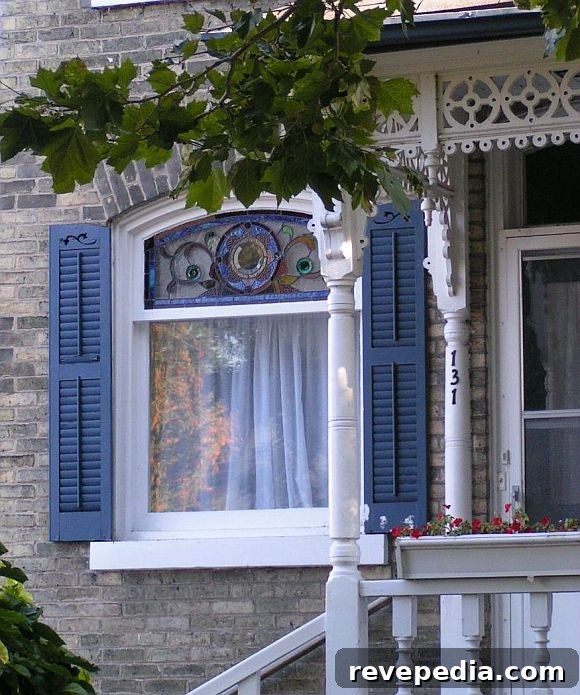
First, you’ll need to order shutters. Most shutters are custom-made, so you’ll provide exact measurements to the manufacturer. Costs vary widely depending on size, style and material; high-quality, functional shutters can cost more than decorative alternatives. If budget is a concern, start with shutters for the most visible windows and add more later as finances allow.
If you choose functional shutters rather than purely decorative ones, the shutters will mount to the window casing and pivot to close over the glass. When open, a metal tieback or shutter dog typically secures them against the wall.
A crucial—and commonly mishandled—detail is ensuring the shutters fit within the window casing. When properly closed, the shutters should leave no more than a 1/4-inch gap (or less) around the edges. That tight tolerance means accurate measuring and fitting are essential. If shutters are hung outside the casing, they won’t close correctly and will look out of place.
Plan to spend a day preparing shutters and windows before final installation. Paint the shutters in a color that complements your home—bright or subtle depending on your style—to give the exterior an instant lift. Clean the window surrounds, remove any old shutters, and confirm you have the correct installation hardware before you start.
Installing the hinges is the step that usually requires the most adjustment. Expect to do some trial and error to ensure each shutter hangs square and operates smoothly. The process becomes faster as you install additional shutters and gain confidence. Typical steps include attaching hinge plates to the window frame, mounting hinges on the shutters, and then securing the shutters to the hinge plates. After that, install the shutter dogs or tiebacks, add any locking or latching hardware, and complete trim details such as copper capping if you’re using it. With those steps finished, your new shutters will be ready.
Do you already have shutters on your home? Did you install them yourself, or did you hire it out? If you haven’t installed shutters yet, would you consider tackling it as a weekend DIY? We’d love to hear about your experience or plans.
Photo: Flickr.com/cindyfunk