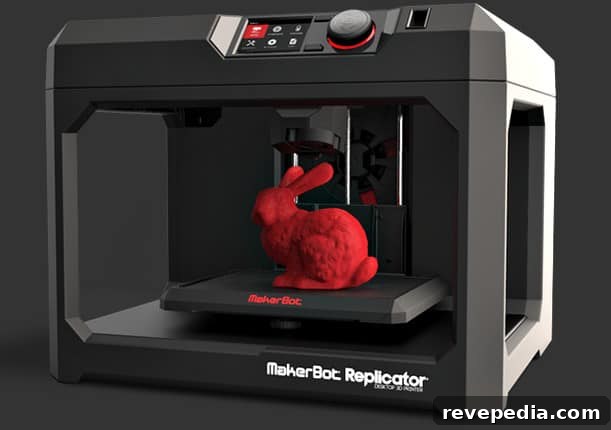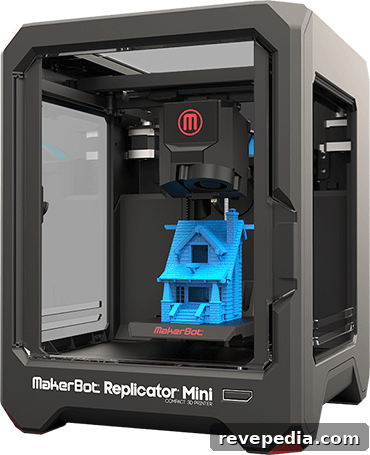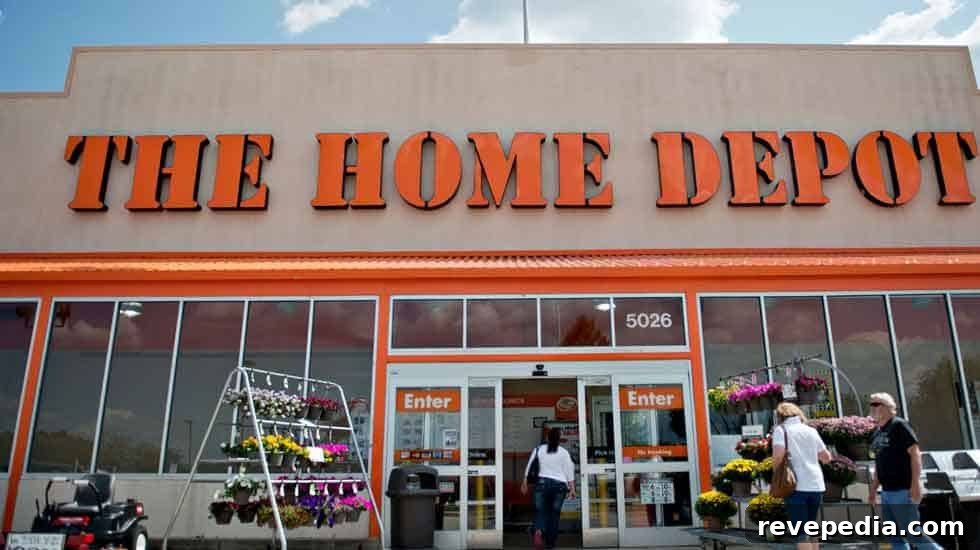
Home Depot is beginning an in-store trial this month by offering MakerBot 3D printers in 12 of its retail locations nationwide. The program is an initial test ahead of a potential full national rollout. MakerBot founder Bre Pettis says online demand for MakerBot products through Home Depot’s website has been strong, making a physical retail presence a logical next step. In stores, MakerBot will likely use prominent end-cap displays—similar to RYOBI and Milwaukee Tool—staffed by a knowledgeable representative demonstrating the printers in operation, which is a primary selling point for consumers.
MakerBot printers have been available in Microsoft stores for the past year, but Home Depot represents the first major big-box retailer to fully commit to showcasing the technology. That kind of retail endorsement helps move 3D printing further into mainstream consumer awareness.
The most significant implication is Home Depot positioning itself as a go-to resource for 3D printing within the home-improvement market. One especially promising application is producing replacement parts for appliances and household items. Instead of arranging a service call or replacing an entire product when a hinge cracks or a plastic tab breaks, customers could download a manufacturer-provided 3D model and print their own replacement part. This could improve customer service, reduce wait times, and relieve retailers from carrying obsolete spare-part inventories.
Beyond replacement components, there are many additional practical uses for desktop 3D printers in the home—custom fixtures, hardware adapters, small tools, and personalized organization solutions, to name a few. While the technology still has room to grow before it becomes a common household appliance, Home Depot’s support helps accelerate public exposure and adoption.
For this trial, Home Depot will carry the MakerBot Replicator with a suggested retail price of $2,899 and the MakerBot Replicator Mini priced at $1,375.
Here’s a quick refresher on what 3D printing is and why it matters for homeowners:
- 3D printing, or additive manufacturing, builds three-dimensional objects layer by layer from digital models.
- It enables rapid prototyping and small-batch production without traditional tooling, making one-off parts and custom items affordable.
- For homeowners, the most immediate benefits are on-demand replacement parts, custom fittings, and bespoke accessories that can save time and money.
- Retail availability of consumer-grade printers—backed by in-store demonstrations and expert staff—lowers barriers for nontechnical buyers to try the technology.
Seeing a major home-improvement retailer test 3D printers in its stores signals growing confidence that the technology will find practical applications in everyday life. As printers become easier to use and design files more accessible—from manufacturers or online communities—the opportunity for DIY repairs and customization at home will expand.