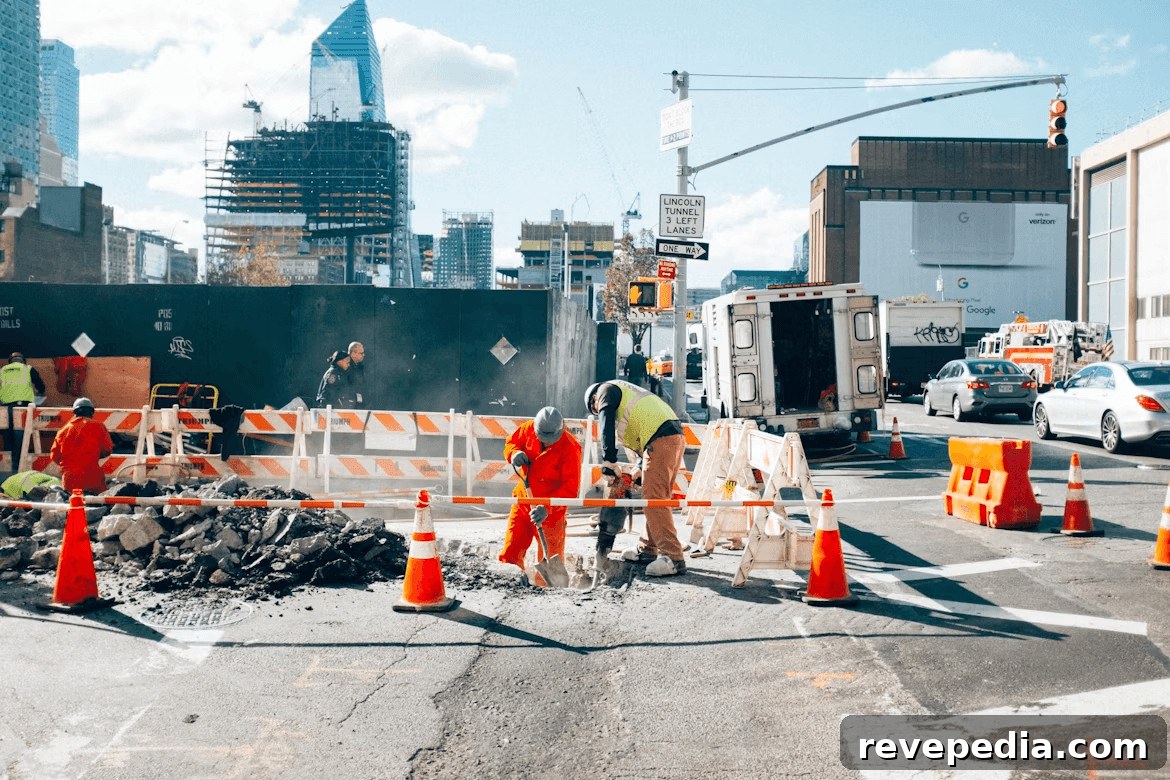
In 2026, safety culture in the U.S. construction industry continues to present serious challenges. The Occupational Safety and Health Administration (OSHA) and federal labor reports consistently show construction as one of the most dangerous sectors: in recent years it has accounted for a significant portion of workplace fatalities, with falls, struck-by incidents, electrocutions, and caught-in or caught-between accidents—commonly called the “Fatal Four”—responsible for the majority of deaths on construction sites.
Construction workers are more likely than workers in almost any other industry to suffer life-altering injuries and long-term disabilities. While emergency response and medical care are critical after an incident, understanding the legal remedies available is equally important. The type of compensation a worker can pursue depends on how the injury occurred and who is legally responsible.
According to New Orleans construction accident lawyer Joshua L. Rubenstein, injured workers and bystanders must understand their rights and the procedures for seeking compensation. One common question after a construction accident is whether filing a lawsuit is an option and, if so, against whom. The answer depends on workers’ compensation law, possible third-party liability, and the nature of any employer misconduct.
Workers’ Compensation: The Exclusive Remedy Limitation
Workers’ compensation is the primary system that compensates employees injured on the job in every state. It operates on a no-fault basis, meaning an injured worker generally does not need to prove the employer was negligent to receive benefits. In exchange for this relatively streamlined access to medical care and partial wage replacement, workers typically cannot sue their employer in tort for the same injury. This bar is called the “exclusive remedy” rule.
Workers’ compensation covers reasonable and necessary medical treatment, a portion of lost wages, and, in some cases, permanent disability benefits. However, it does not provide compensation for non-economic losses such as pain and suffering, loss of consortium, or diminished quality of life. For example, a right-handed construction worker who loses the use of that dominant hand in a work accident may receive medical care and a wage benefit but still lack full financial recovery for the significant loss of enjoyment and future earning potential associated with that disability.
Benefit levels vary by state. Disability payments are often calculated as a fraction of pre-injury wages—frequently two-thirds—subject to state maximums that may be much lower than what experienced construction workers typically earn. As a result, the actual economic impact of an injury can exceed what workers’ compensation will cover.
The main exception to the exclusive remedy rule is intentional employer misconduct. If an employer intentionally harms an employee, many jurisdictions permit a civil tort action despite the usual exclusivity of workers’ compensation. Proving intentional wrongdoing, however, requires strong evidence that the employer acted with deliberate intent to cause injury or with willful disregard for safety—an often difficult legal standard to meet. Courts are more likely to allow tort claims in cases where employer conduct was egregious or showed blatant indifference to worker safety.
Third-Party Claims: When Someone Other Than the Employer Is Responsible
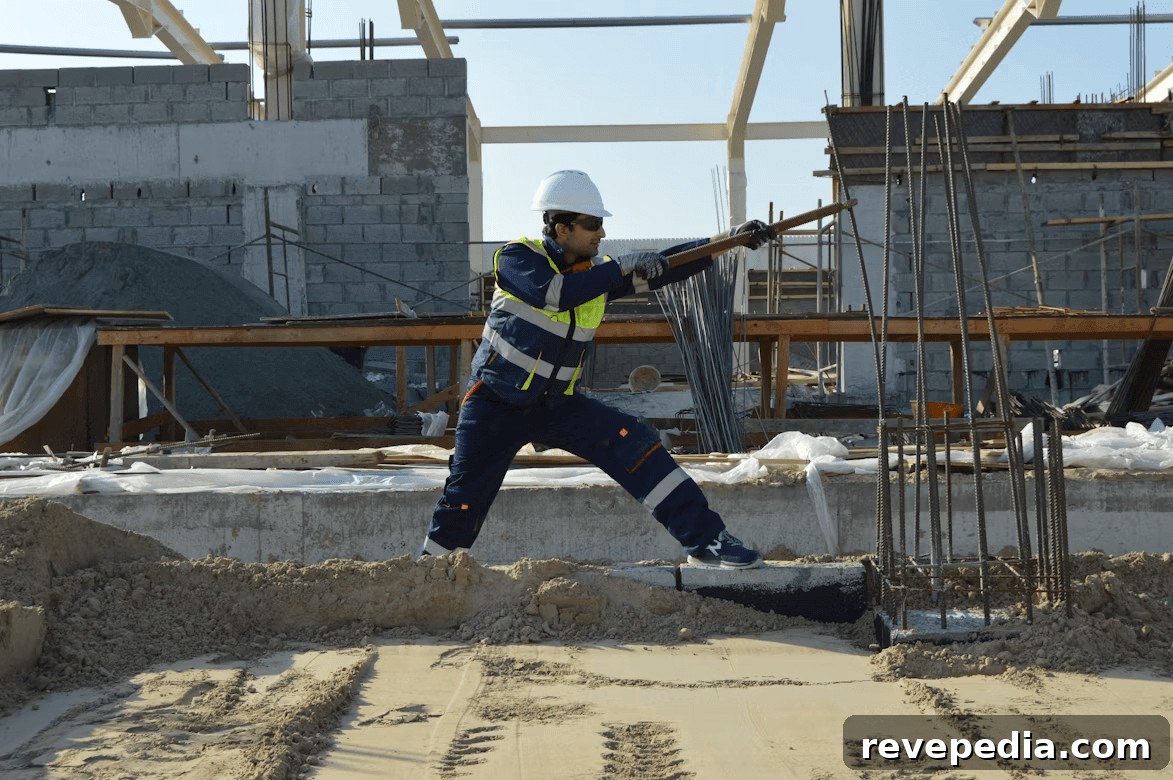
While workers’ compensation governs employer-employee liability, it does not prevent injured workers from suing third parties whose negligence caused or contributed to the accident. A third-party claim can be pursued in addition to a workers’ compensation claim and may allow recovery of damages that workers’ comp does not cover, including pain and suffering and full lost earnings.
Common third-party defendants in construction accidents include:
- General contractors: When subcontractor employees are injured, general contractors can be responsible for site-wide safety and supervision. Many states impose duties on general contractors to maintain a safe work environment for all workers on a project.
- Other subcontractors: If the negligent acts or defective equipment of one subcontractor injure workers employed by another, the injured parties can file suit against the negligent subcontractor.
- Property owners: Landowners may be liable under premises liability principles when site conditions or known hazards contribute to a worker’s injury and no adequate precautions were taken.
- Equipment and product manufacturers: Defective design, manufacturing flaws, or inadequate warnings can expose manufacturers to product liability claims if unsafe equipment causes an accident—claims often evaluated under strict liability theories.
OSHA Violations as Evidence of Negligence
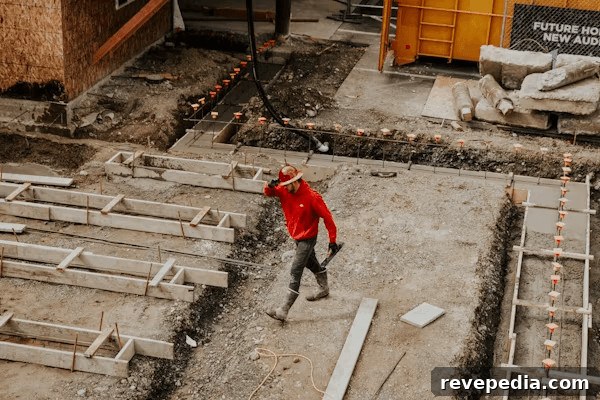
OSHA establishes specific safety standards for construction activities—covering fall protection, scaffolding, excavations, electrical safety, and many other areas. When those standards are violated and an accident occurs, OSHA citations and investigatory records can be powerful evidence in civil cases. In many jurisdictions, an OSHA citation is admissible as proof of negligence per se or as evidence that a party violated the applicable standard of care.
OSHA investigations produce detailed documentation—inspection reports, photographs, witness statements, and citation findings—that injured workers and their attorneys can use to demonstrate hazardous conditions or unsafe practices. Injured workers can request an OSHA inspection, participate in the investigation, and contest OSHA’s findings. These administrative procedures are independent of workers’ compensation claims and civil lawsuits, but the records they generate are often some of the most compelling evidence available.
Construction accidents raise complex legal issues about responsibility, compensation, and safety compliance. Workers and their families should promptly seek legal guidance after a serious injury to preserve evidence, understand filing deadlines, and evaluate both workers’ compensation benefits and potential third-party claims. Careful investigation, documentation, and use of OSHA records can significantly affect the outcome of a claim and the compensation available to an injured construction worker.
For more detailed discussions of legal options and workplace safety, consult experienced counsel who handles construction accident and workplace injury matters.