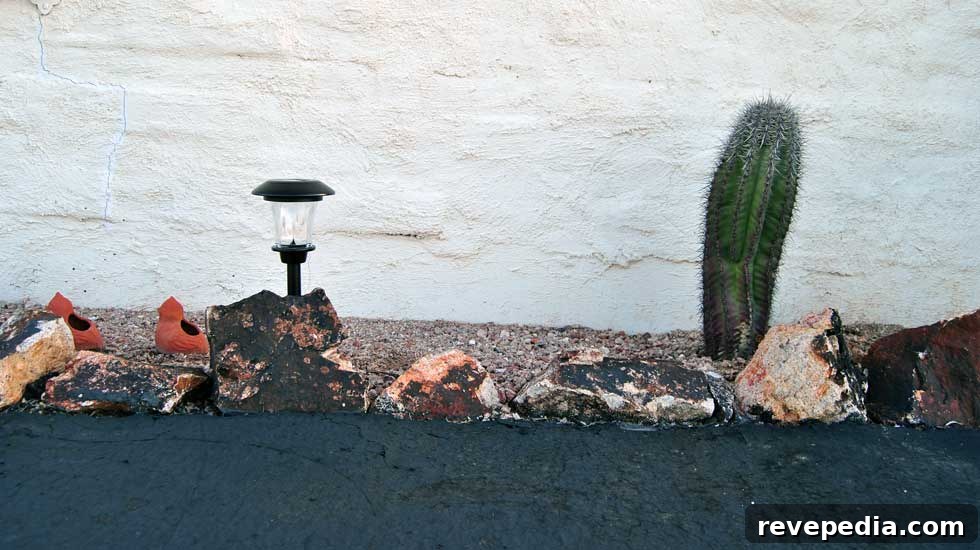
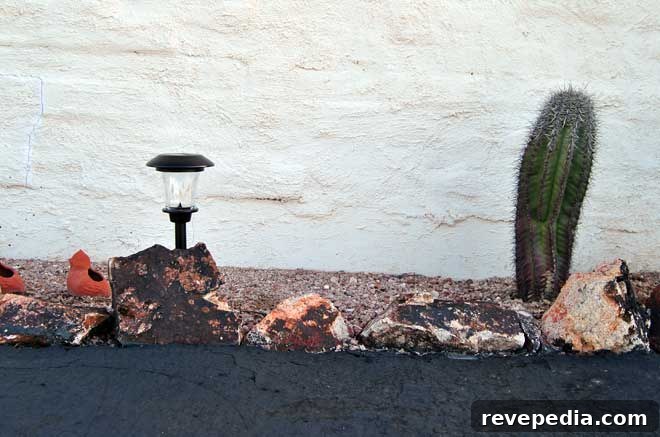
I first encountered caliche while working a summer landscaping job in my hometown of Tucson, Arizona. Caliche is a sedimentary rock — a natural, hardened cement of calcium carbonate that binds gravel, sand, clay and silt together. It forms a dense, compact layer in the soil that can make digging beyond an inch or two extremely difficult.
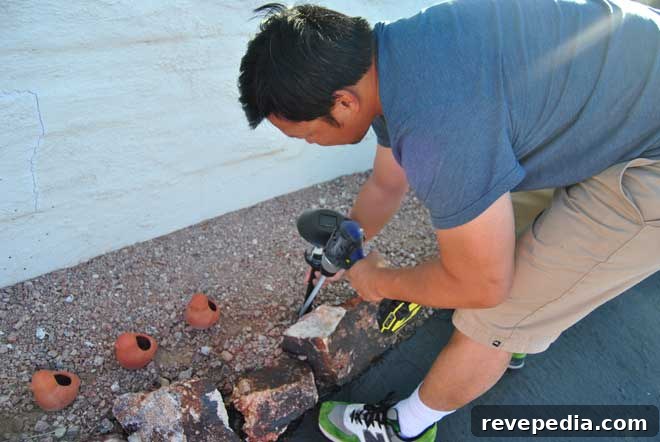
When my parents tried to install pegged solar landscape lights along their driveway, they ran into that exact problem: the stakes wouldn’t penetrate the ground. My dad solved it with a simple, practical method. Using a cordless drill fitted with a 12-inch masonry bit, he was able to bore pilot holes through the caliche. Once the pilot holes were in place, inserting the stakes became far easier and the installation went quickly.
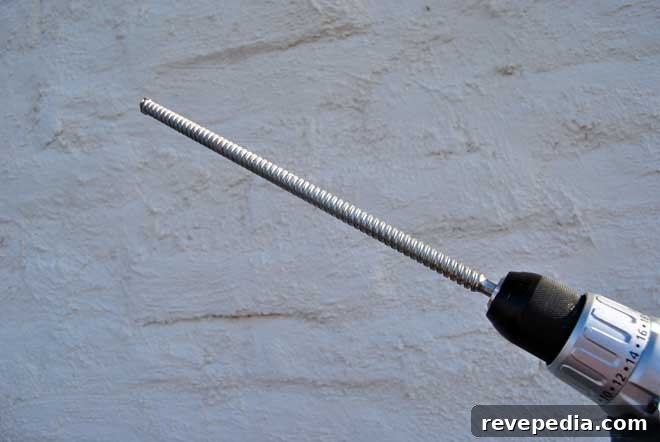
This technique—drilling a hole rather than trying to force a stake through the hardened layer—works well for small fixtures like solar lights, garden markers, and thin posts. For larger posts or deeper holes, heavier equipment such as a rotary hammer, an auger, or even professional excavation may be necessary. When drilling into caliche, take safety precautions: wear eye protection, gloves, and a dust mask, and use a drill and bits rated for masonry to avoid damaging tools or causing injury.
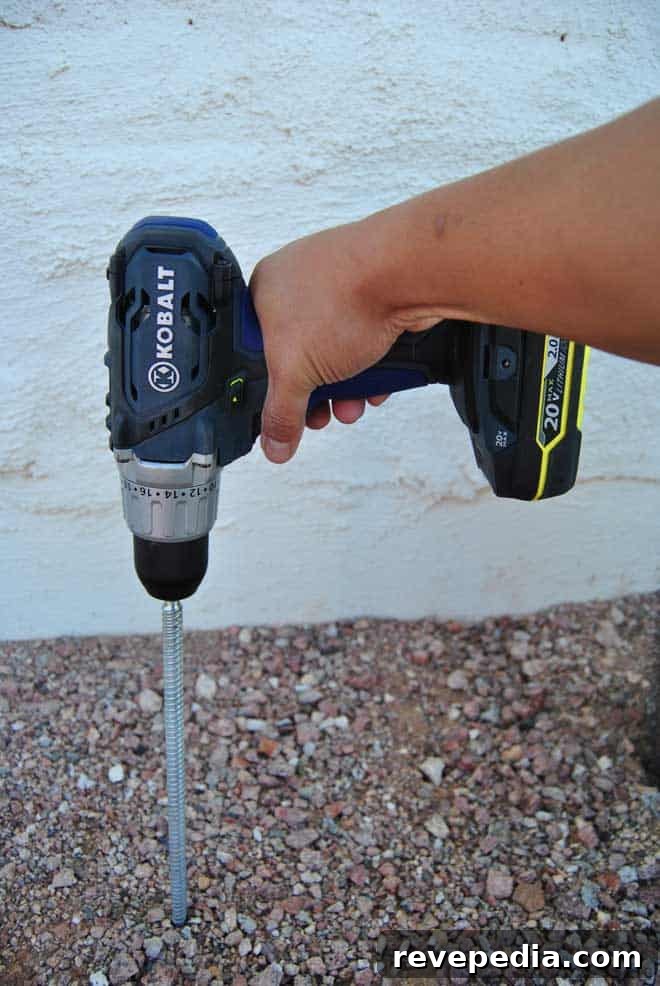
Caliche is common throughout the American Southwest and other arid regions where evaporation concentrates calcium carbonate near the surface. It provides a hard, erosion-resistant layer that can be advantageous for certain landscaping tasks, but it can also complicate planting, irrigation installation, and construction projects. When landscaping in caliche-prone areas, consider these practical tips:
- Use pilot holes: For stakes, small posts, or anchors, drill pilot holes with a masonry bit to ease installation.
- Choose the right tools: Cordless drills with long masonry bits work for shallow fixtures; for deeper or larger-diameter holes, use an auger, rotary hammer, or a hammer drill with carbide-tipped bits.
- Protect yourself: Wear safety glasses, a dust mask, and gloves. Caliche dust can be fine and abrasive.
- Work in stages: If the caliche layer is thick, break through in steps rather than trying to force a single deep hole.
- Consider alternatives: If repeated drilling is impractical, surface-mounted fixtures or raised beds can avoid the need to penetrate dense layers.
Living in the Southwest often means adapting your landscape approach to deal with caliche. Whether you’re installing lights, setting posts, or planting trees, understanding how to work with this hard layer will save time and frustration. Do you live in the Southwest? How have you handled caliche in your yard?