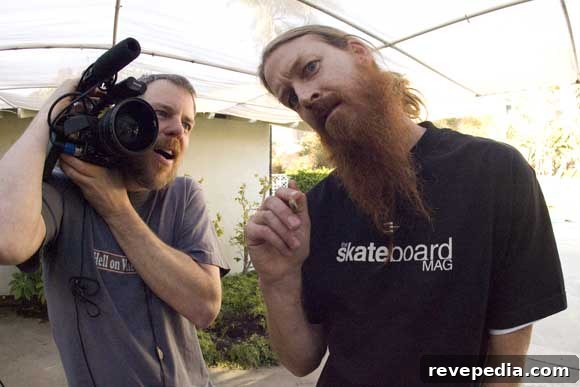
As a former skateboarder who now snowboards, surfs and paddleboards, I’ve found FUEL TV to be a perfect match and a long-standing guilty pleasure since it first aired. I still have stacks of old skate and snowboard videos on VHS and can watch Lance Mountain, Tony Hawk and the Bones Brigade all day.
FUEL TV’s lineup is broader than many expect, ranging from pure skate video parts to athlete profiles and entertainment-focused variety shows.
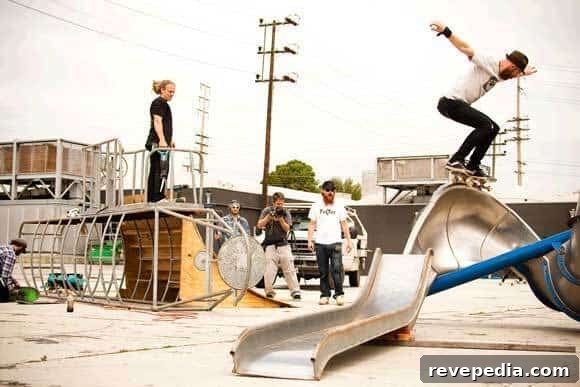
One of the channel’s standout programs is Built To Shred, hosted by skater and builder Jeff King. Jeff is known for creating innovative obstacles for skateboarding and other action sports, often using unexpected locations and materials. He’s also featured in the popular skate video game Tony Hawk’s Proving Ground.
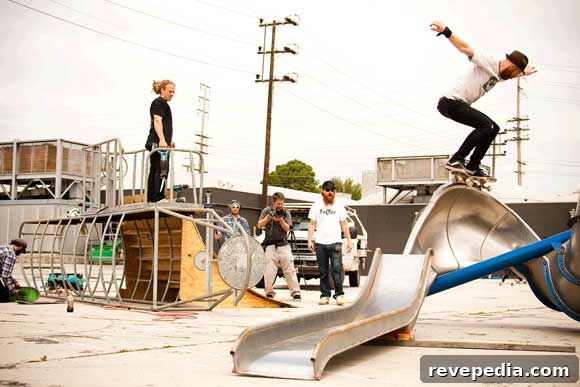
The new season of Built To Shred promises larger builds, more sports, and astonishing one-off obstacles ridden by icons like Tony Hawk, Ryan Sheckler, and X Games gold medalist Paul Rodriguez.
Unlike typical home-improvement shows, Built To Shred aims for “architecture meets anarchy,” a concept that’s impossible not to be excited about.
We had the chance to ask Jeff a few questions about how he started building ramps and what to expect from the new season. Read on to get stoked.
C&H: Hi Jeff — congrats on Season 3 of Built To Shred. You’ve tapped into a unique niche and we loved the creativity in the first two seasons, especially the monster ramp at that rundown skate park in Hawaii. Which came first for you: skating or building?
Jeff King: Skateboarding came first. I had a skateboard for as long as I can remember, but I was 14 when my dad and I built the first Kingrail. It was about 10 feet long, built from 2x6s and 2″ PVC pipe attached with nails. When you boardslid it, bits of the rail would sometimes get stuck under the nail heads.
C&H: How do you approach designing obstacles? Do you pick a ramp idea and then find a spot, or scout a location first and let it inspire the build?
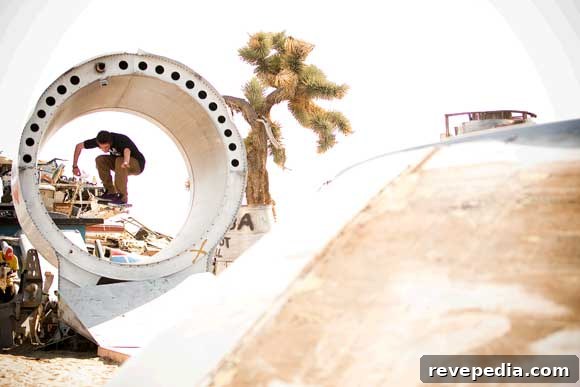
Jeff King: It depends. Some builds are location-driven, like the rock-sifter ramp we made for Kale Sandridge in Hawaii—the environment dictated the design. Other ideas are conceptual—things like a flat-bar bike or a shopping-cart feature—which we build in the shop and take wherever. For larger projects like the airplane graveyard, where there were no runways, we had to construct those elements from scratch. So the process shifts between concept-driven and location-driven builds.
C&H: I built a 4-foot quarter pipe at age 11 with masonite, plywood and 2x4s, so I appreciate how accessible many of your projects feel. Have ramp materials or construction methods changed much over the past 20 years?
Jeff King: Backyard ramps haven’t changed dramatically. People still use plywood and 2x4s. There’s more attention to flat bottom sections now, and wealthier builders might choose premium surfacing like Skatelite or Ramp Armor. But masonite is still common, and personally I don’t recommend it—indoor or outdoor. Professionals have improved certain details, like coping; you can often tell if the builder skates by how the coping is set—too far out or too far in gives it away.
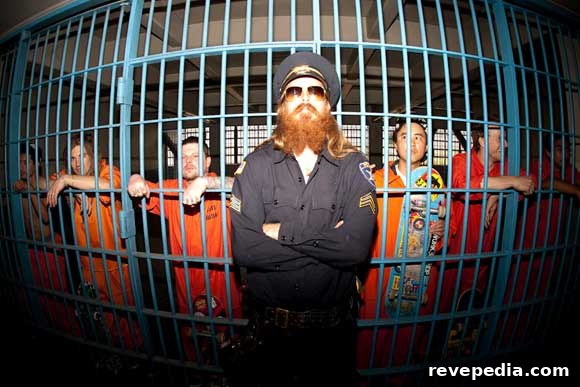
C&H: How do you strike the balance between a ramp that pushes a skater beyond their limits and one that’s dangerously difficult?
Jeff King: That’s one of the toughest parts. We ran into a few issues this season with “never-been-done” ramps—ideas that look great on paper but are trickier in reality. That unpredictability is part of the show’s appeal. When Kale tried to air from the rock sifter onto a rental truck, we initially thought it was impossible. He kept going, and within 15 attempts he was doing front flips off the truck and landing on his back—definitely pushing the limits. The riders’ perseverance is often what makes a seemingly impossible trick happen. I’m constantly surprised by their abilities; it’s hard to define what’s truly impossible—except maybe Surf Rail of Death Part 2.
C&H: What tools do you never leave home without when building a ramp?
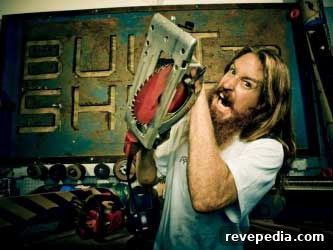
Jeff King: A circular saw and a drill—those are essential. Other tools are useful, but if I had to pick two, those are it. I also love a portaband (a portable metal-cutting bandsaw) and I use chainsaws for certain builds. Really, though, I’m a tool nerd—I like them all.
C&H: Any safety checks you always perform once a ramp is completed?
Jeff King: Look for protruding screws and nails, and make sure ledgers and supports are solid. Over the years I’ve learned to prioritize safety—maybe from too many trips to the hospital to remove splinters or worse—so I always wear safety glasses, gloves and ear protection while building. And don’t imitate anyone who locks off a circular-saw guard—skating is a lot more fun with two eyes and all your fingers intact.
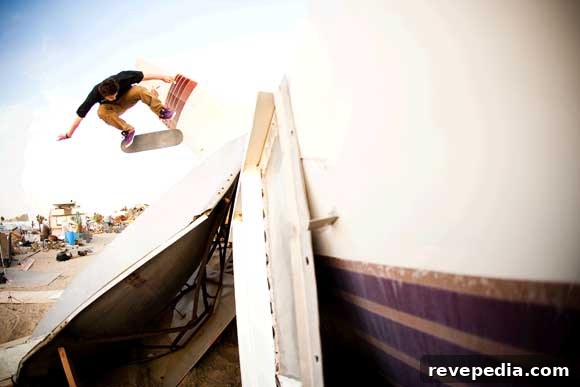
C&H: What can viewers expect in Season 3 of Built To Shred?
Jeff King: This season is pretty rad. We rode with Tony Hawk and Ryan Sheckler, BMXers like Gary Young and Dennis Enarson, wakeskaters Scott Byerly and Brandon Thomas, and many snow riders. We filmed at the ocean, a lagoon, on snow, in the desert, and even in the Cayman Islands—basically everywhere and anywhere we could find a good shred.
C&H: If time and money weren’t a concern, what would you build and who would you want to try it first?
Jeff King: I can’t reveal all my secrets, but I love working with Bob Burnquist. Between the two of us, we could find a prime location and create something groundbreaking and seriously challenging.
C&H: Any final advice for young riders who don’t have access to great skate parks but want to build their own ramps?
Jeff King: Get resourceful, prioritize safety, and get gnar!
FUEL TV’s series Built To Shred, presented by Skullcandy, returns Sunday, September 26 at 10:30pm ET/PT, with multiple re-airings throughout the week. Episodes are available on iTunes for $1.99 and will be posted on fuel.tv and hulu.com several weeks after broadcast.