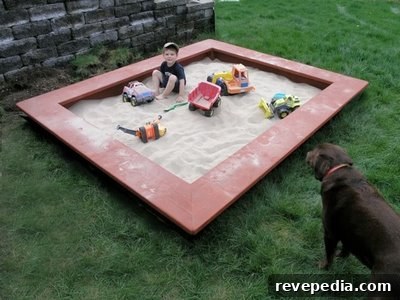
As a child, many of us spent countless hours in a sandbox. My favorite local park had a large sandpit fitted with small, handle-operated “backhoes” that kept us entertained for hours. If you enjoyed digging and building as a kid, constructing your own sandbox could be a rewarding project for you and your family.
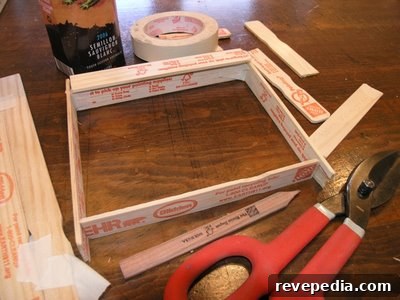
This article is based on a detailed, photo-rich tutorial by Dover Projects that explains how to build a wooden sandbox. The guide includes practical tips for planning and assembly. Start with a simple mock-up to visualize the final shape and proportions—use paint-stirring sticks, craft sticks, or whatever small building materials you have on hand. Decide whether you want built-in seating or lids and finalize the overall dimensions before buying materials.
Choose the sandbox location carefully. The author recommends placing it where you can easily watch children from inside the house and where the area receives partial shade. Avoid setting the box directly beneath a large tree to reduce leaves and debris falling into the sand.
Before purchasing wood and hardware, determine the sandbox’s size. The example project measures roughly 8 feet by 6 feet, but you can adapt measurements to suit your yard. When selecting lumber, ask the store staff for pieces intended for visible outdoor projects so you receive boards from the top of the pile with smoother faces and fewer defects—this makes for a neater finished sandbox and improves durability.
Cut and assemble the sandbox components according to your plan. If you follow the step-by-step instructions in the full tutorial, you’ll find clear guidance for building the frame, seats, and any fasteners or reinforcements required. Keep in mind that once assembled, the structure may be heavy and difficult to move, so it’s best to position the pieces near the final site before full assembly.
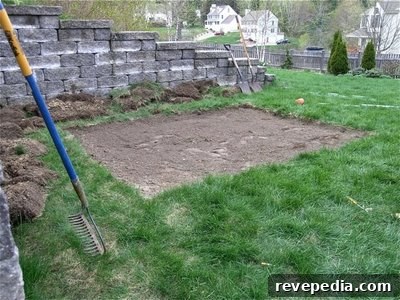
Prepare the ground by marking the sandbox perimeter and removing turf. Excavate the area to a shallow depth—about three inches is sufficient. If the ground is uneven, add gravel to level the base. Lay landscaping fabric across the prepared surface to allow drainage while preventing weeds, soil, and small animals from mixing with the sand.
Set the completed sandbox frame into place on top of the fabric, check that it sits level, and secure it according to your design. Fill the box with a play-grade sand suitable for children; the tutorial recommends Sakrete play sand, commonly available at home improvement stores. Spread the sand evenly and smooth the surface before letting children play.
A well-planned sandbox delivers hours of creative, outdoor play and can be customized with lids for protection, built-in benches, or a cover to keep rain and debris out. With basic woodworking skills and careful site preparation, you can create a durable, attractive sandbox that enhances your yard and provides a safe, engaging play area.
Photos courtesy of Dover Projects