Changing the air filters in your HVAC system is one of the simplest yet most commonly overlooked home maintenance tasks. It takes less than five minutes and helps ensure your heating and cooling equipment performs reliably during the hottest and coldest days of the year.
After a season of record heat and widespread smoke from wildfires in many areas, it can be surprising to realize fall maintenance is already due. Your heating system will soon run much more frequently after several months of minimal use, and a clean filter is one of the best ways to prepare your system for that change.
The single most effective step you can take to keep your HVAC system running efficiently is to replace your air filter regularly.
What Do Home Filters Do?
Air filters capture airborne particles such as pollen, dust, pet dander, and smoke. A clean filter improves indoor air quality and can reduce allergy and asthma symptoms. It also helps your air conditioner and furnace operate at peak efficiency, which prolongs equipment life and lowers energy use.
A properly sized, high-quality filter removes very small particles and keeps the system’s airflow balanced so the heating and cooling components don’t work harder than necessary.
How to Replace Home Filters
Start by locating your home’s filter. Filters are usually installed at the return vent, which is often a large vent on a wall or ceiling that draws air back into the furnace and air conditioner.
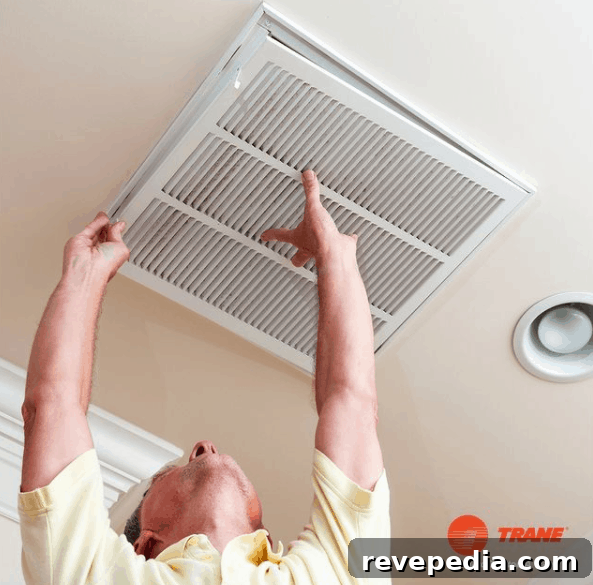
If you can’t find the filter, contact a certified HVAC technician for guidance the first time. A technician can also show you how the filter mounts and which direction airflow should go.
Measure the current filter’s dimensions before you purchase a replacement so you buy the correct size. Many filters list width, height, and depth in inches; use those exact numbers when shopping.
Quality filters that capture fine particles provide a good balance of filtration and airflow. Choose a filter that matches your home’s needs—higher-efficiency filters remove smaller particles but may require more frequent checks if your system’s blower isn’t designed for very dense media.
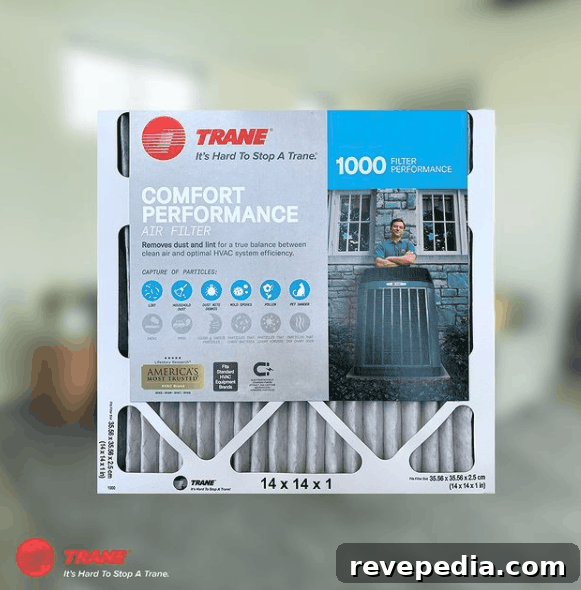
Replacing the filter is straightforward: slide the old filter out, note the airflow direction printed on the frame, slide the new filter into place with the arrows pointing toward the furnace or air handler, and then reattach the grille or access panel. Seal and secure the access panel if needed, and dispose of the used filter.
Use a portable vacuum around the filter opening to remove dust and debris that may have collected on the return grille or in the surrounding area.
How Often Should I Replace My Home Air Filters?
As a general rule, replace disposable air filters at least every 90 days when your HVAC system is running regularly. In many households you’ll need to change them more often:
- If you live in an area with high pollen or dust levels
- If you have one or more indoor pets that shed
- If you run your heating or cooling system continuously
Replace filters each season, including winter. When doors and windows are closed for winter, indoor air circulates more and a dirty filter will recirculate trapped contaminants instead of removing them. Filters are inexpensive, so keep extras on hand for timely replacements.
Other HVAC Maintenance Tips
Perform a visual inspection of your air conditioner and furnace periodically. Make sure outdoor condenser units and nearby vents remain clear of leaves, debris, and vegetation so moving parts and airflow are unobstructed.
Remove dust and cobwebs around vents and components with a vacuum or soft brush. Check ductwork where accessible for rips, loose joints, or disconnected sections and repair any damage promptly—leaks reduce efficiency and allow dirt to enter the system.
Regular filter changes combined with simple inspections help maintain indoor air quality, improve system efficiency, and extend the service life of your heating and cooling equipment.