Take a moment to inspect your gutters and siding before small issues become major problems. These exterior elements not only enhance your home’s curb appeal but also shield it from weather-related damage. When gutters and siding begin to deteriorate, neglected issues can lead to costly repairs. The good news is that many gutter and siding problems are straightforward to fix and highly rewarding to address.
Learning how to maintain and repair gutters and siding protects your home and builds confidence in your DIY skills. Many homeowners are surprised by how much can be accomplished with modest effort and the right tools. Whether you’re planning routine upkeep or tackling larger projects, a practical, step-by-step approach will help you get excellent results.
Below are clear, actionable ways to identify, repair, and maintain your gutters and siding effectively.

Gutter Repair
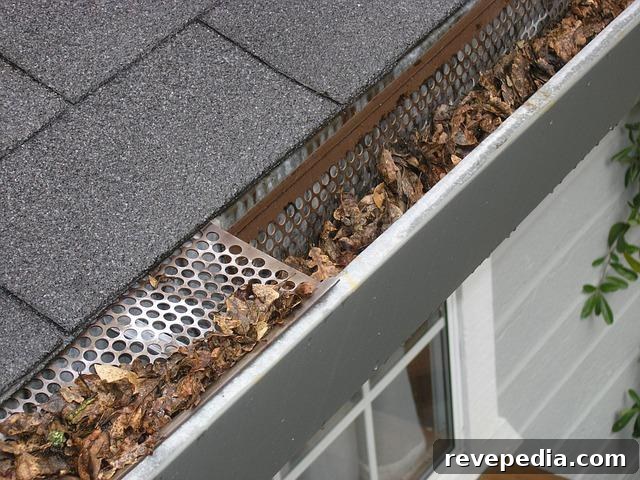
Regular gutter maintenance is essential for keeping your home safe and dry. The most common problems are clogs and leaks, both of which are typically easy to address. Start by clearing debris—leaves, twigs, and sediment—from the gutters. Use a sturdy ladder with appropriate safety measures to reach the troughs and remove blockages so water can flow freely. Clearing gutters prevents water from backing up and causing roof or foundation damage.
If you find leaks during inspection, many can be repaired by applying a quality gutter sealant or replacing damaged sections. Pay special attention to seams, joints, and end caps, which are frequent weak points. Repairing leaks and reinforcing joints improves gutter performance and extends their lifespan, ensuring rainwater is directed safely away from your home.
Siding Issues
Siding provides insulation and protects your home from wind, rain, and temperature changes. Over time siding can fade, crack, warp, or suffer impact damage. Regular inspections let you catch problems early. For minor issues, a thorough cleaning and a fresh coat of paint can restore appearance and protection.
If panels are badly damaged, warped, or missing, replace them to restore the building envelope and improve your home’s look. Siding materials include vinyl, wood, fiber cement, and engineered composites, each with advantages in cost, durability, and maintenance. Choose the material that best fits your climate, aesthetic preferences, and budget to achieve lasting results.
Sealing and Painting
Painting and sealing siding protects it from moisture, UV exposure, and wear. Proper preparation is critical: clean surfaces thoroughly, scrape or sand loose material, and fill cracks and holes before applying primer and paint. This preparation ensures the coating adheres correctly and provides long-term protection.
Select high-quality paints and sealants formulated for your siding type. Using appropriate products and proper application techniques produces a durable finish and significantly extends the life of your exterior cladding. The visual transformation is often gratifying and increases curb appeal.
Regular Maintenance
Preventive care can keep small issues from becoming costly repairs. Inspect gutters and siding at least twice a year—typically in spring and fall. During inspections, look for signs of wear and address small problems promptly. A consistent maintenance routine prolongs the life of your exterior and saves money over time.
Consider installing gutter guards to minimize debris build-up and reduce cleaning frequency. Investing in guard systems or other protective measures can reduce the chance of blockages and make upkeep easier, freeing up your weekends for other activities.
Tools and Materials
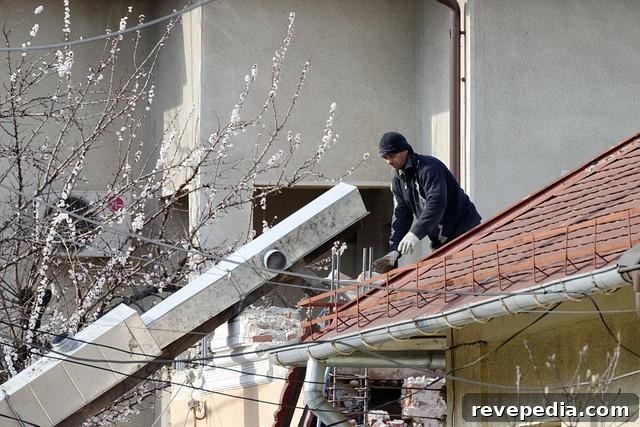
Having the right tools makes gutter and siding work safer and more efficient. A sturdy ladder and ladder stabilizer are essential for reaching gutters and higher siding. Common tools include a trowel or scoop for clearing gutters, a caulk gun for sealing leaks, and a putty knife for filling small holes. A pressure washer can be useful for removing dirt and mildew from siding, provided you use the correct pressure and nozzle to avoid damage.
Using proper materials—sealants rated for outdoor use, rust-resistant fasteners, and compatible paints—ensures repairs hold up over time. With the right tools and supplies, many homeowners can complete small repairs that improve both appearance and performance.
Community Resources
If a repair seems beyond your comfort level, local home improvement centers and community workshops often offer classes and demos on basic exterior maintenance. These resources are great for learning techniques and getting product recommendations. For complex or safety-sensitive issues—such as extensive siding replacement, structural damage, or problematic water infiltration—hire a licensed professional to evaluate and repair the problem correctly.
Attending to gutters and siding brings multiple benefits: better-looking exteriors, improved function, and greater long-term value. Regular care empowers homeowners and reduces the likelihood of unexpected, expensive repairs.
Identifying Signs of Damage
Knowing what to look for helps you decide when repairs are needed. For gutters, watch for overflowing water during rain, visible rust, sagging sections, or puddles near your foundation—these indicate clogs, poor slope, or leaks that require attention.
For siding, check for discoloration, bulging, cracking, rot, or loose panels. Peeling paint, visible gaps at seams, and higher-than-normal heating or cooling bills can suggest moisture intrusion or failing insulation. Early detection makes repairs cheaper and less invasive.
Choosing the Right Time for Repairs
Timing repairs to suitable weather conditions improves results. Mild, dry weather—usually in spring or fall—is best for painting, caulking, and most exterior work. Avoid extreme heat, freezing temperatures, or heavy rain, as these conditions can compromise adhesives, paints, and sealants and make work more hazardous. Allow repaired surfaces adequate time to dry for the best long-term performance.
Safety Considerations
Safety should be your top priority when working on gutters and siding. Ensure ladders are set on level, stable ground and consider using ladder stabilizers or having a helper hold the base. Wear gloves, eye protection, and a dust mask when cleaning, painting, or cutting siding—especially when working with older materials that may contain lead paint or mold. Keep a safe distance from power lines and use insulated tools if lines are nearby. If a task requires working at significant heights or complex repairs, hire a qualified contractor.
With careful planning, proper tools, and routine maintenance, you can keep your gutters and siding in excellent condition. Taking action now prevents larger problems later and helps maintain your home’s value and comfort. Happy home maintenance!