We are deeply saddened by the distressing images and video coming from Joplin, Missouri, after yesterday’s destructive tornado. This spring has produced an unusually active pattern of severe weather affecting states including Alabama, Kansas, Minnesota, Missouri, Arkansas and others. For those who live in tornado-prone regions, having a safety plan is essential. Most families already know to seek underground shelter or the innermost room of a house during a tornado. But if your home is struck, what should you do next? FEMA provides guidance on what to do immediately after a tornado; the following tips summarize key steps to help protect you and your loved ones.
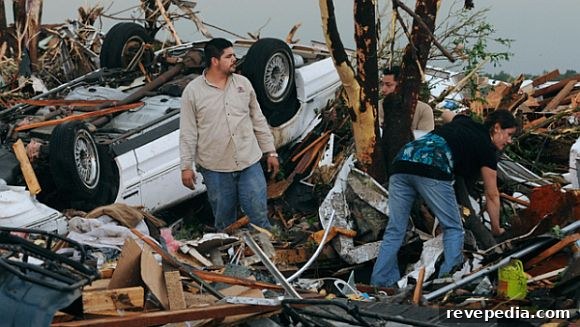
Immediately after the tornado
If your home was hit, first account for everyone who was inside, including pets. If no one is seriously injured, evacuate the structure right away—tornado damage can make a building unstable. Keep an emergency kit near the place you use to shelter that contains battery-powered flashlights and a battery-powered radio to receive official updates. A fully charged cell phone is useful too; even if voice calls fail, you may be able to access internet-based alerts, locate nearby shelters, or communicate with neighbors and emergency services.
Before re-entering your home
Do a careful perimeter check of your property before going inside. Look for downed power lines, gas leaks, major structural damage, or hazards that could make re-entry dangerous. If the house looks severely compromised, consider waiting for a building inspector or structural engineer to clear it for entry. If the structure is mostly flattened and you choose to recover personal items, dig through debris cautiously and be mindful of nails, broken glass, exposed wiring, insulation, and other hidden hazards.
If you enter your home
If officials or an inspection indicate it’s safe to enter, move slowly and watch your footing—floors can be uneven, unstable, or slick. Look out for sharp debris, displaced wildlife, and torn electrical wiring. If you smell natural gas, leave the house immediately and contact authorities from a safe location.
For wet appliances or electronics, FEMA recommends turning off the power at the circuit breaker and unplugging appliances so they can dry safely. If you notice damage to plumbing or major leaks, shut off the main water valve. Even if pipes appear intact, check with local officials before using tap water—contamination is possible after a disaster.
Document damage and contact your insurer
Take clear photos and keep detailed records of all damage. This documentation will be essential when you contact your insurance agent to begin the claims and rebuilding process. Keep receipts for any emergency repairs or temporary accommodations, and save correspondence related to your recovery.
Recovering after a tornado is stressful, but careful planning and following safety steps can reduce risk and speed your return to normalcy. With additional rounds of severe weather possible in many regions, staying informed and prepared matters. Monitor local forecasts, keep your emergency kit accessible, and follow guidance from local emergency management.
If you have additional severe weather tips or personal experiences that might help others, please share them. Photo credit: AP Photo/Mike Gullett, via CBS News