Many Connecticut homeowners find their houses no longer match how they live. A home that served well ten years ago can feel less practical today as work-from-home schedules, growing families, aging in place, and shifting lifestyle priorities change how people use space. These shifts have prompted many to reassess what they need from renovations, upgrades, or future home purchases.
Homeowners are prioritizing comfort, convenience, and everyday functionality over fleeting design trends. They want rooms that support routines, reduce maintenance, and make better use of available square footage. Understanding these priorities helps guide smarter decisions for renovations, whether updating a bathroom, redesigning a kitchen, or creating a dedicated home office.
Better Bathrooms, Better Daily Comfort
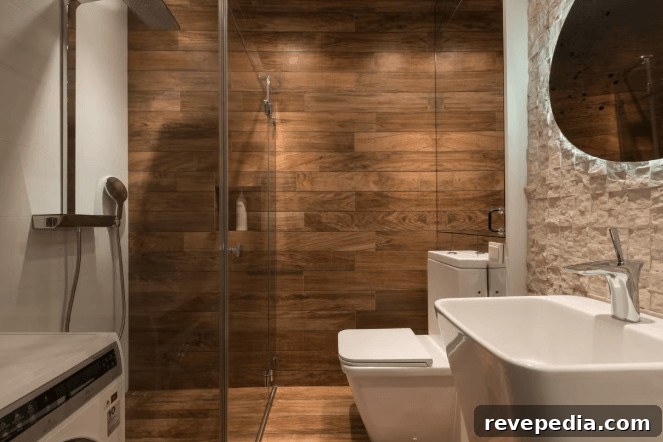
Bathrooms now play a larger role in daily comfort than many homeowners expect. A cramped or awkwardly arranged bathroom creates friction every morning, while a thoughtful layout can streamline routines and improve overall well-being.
Practical upgrades such as walk-in showers, built-in storage, durable, easy-to-clean surfaces, and layered lighting frequently top renovation lists. These improvements increase usability and reduce daily maintenance, helping bathrooms stay tidy and comfortable. Connecticut bathroom remodeling professionals often balance function with aesthetics to ensure spaces work well now and adapt to future needs.
Kitchens Built Around Everyday Routines
Today’s kitchen is a multifunctional hub: meal prep area, family gathering spot, homework station, and in many homes, a remote workspace. As a result, homeowners focus on how kitchens function as much as how they look.
Storage solutions remain crucial. Deep drawers, organized pantries, and intelligently designed cabinets help keep frequently used items accessible and reduce clutter. Efficient layouts that minimize unnecessary movement between cooking, cleaning, and prep zones make daily tasks faster and more pleasant.
Durable materials for countertops, flooring, and fixtures are also a priority. Homeowners want finishes that withstand heavy use and simplify upkeep. The best kitchen designs support daily routines while creating a welcoming place where family members naturally gather.
Letting More Natural Light In
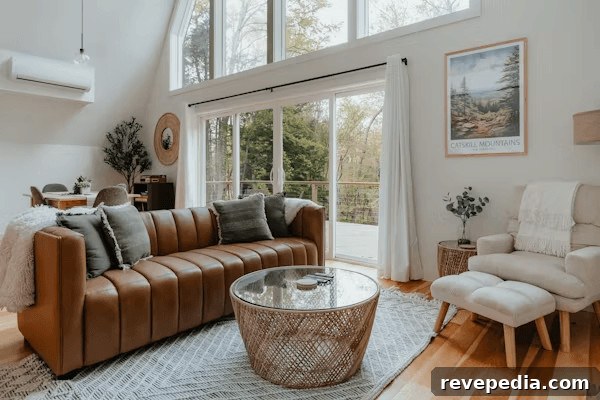
Access to natural light is one of the most requested changes in modern renovations. Well-lit rooms feel larger, more welcoming, and more comfortable through the day, while thoughtful daylighting improves the experience of every room.
Common solutions include larger or better-placed windows and layouts that allow sunlight to penetrate deeper into the home. These adjustments can make interiors feel brighter and more spacious without expanding the footprint.
Natural light also enhances functionality: home offices become more pleasant, kitchens easier to work in, and living areas more inviting. Prioritizing daylight in renovation planning often delivers immediate, noticeable benefits to daily comfort and enjoyment.
Storage That Actually Solves Problems
Effective storage goes beyond simply adding more shelves. Homeowners want systems that prevent clutter, support daily habits, and make items easy to find and put away.
Practical storage examples include entryway solutions for shoes and outerwear, kitchen layouts that keep frequently used tools within reach, and bathroom cabinets that clear countertops. Built-in and customized systems often outperform freestanding furniture by using available space more efficiently and blending seamlessly with the home’s design.
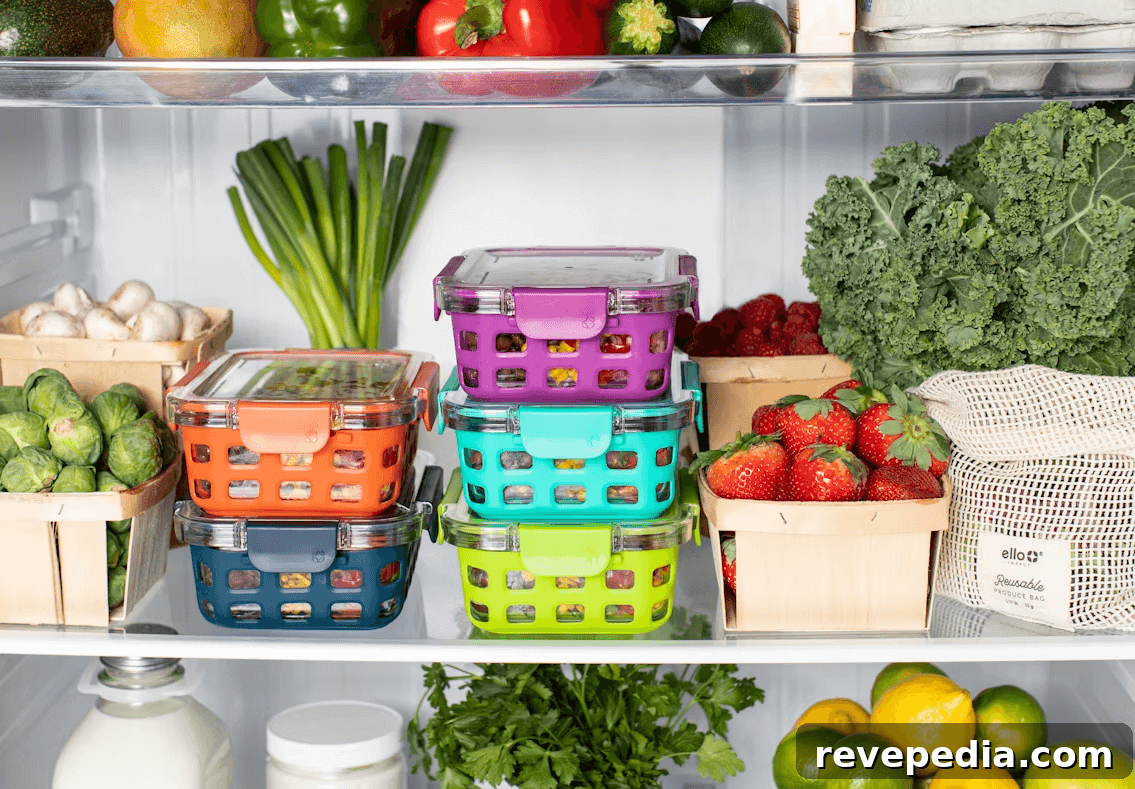
When storage is designed around real habits—how people enter the home, prepare food, and leave for the day—it becomes a functional feature rather than an afterthought. The result is cleaner, more organized spaces that are easier to maintain.
A Dedicated Place to Get Work Done
Working from home has redefined expectations for interior layouts. Rather than a temporary spot at the kitchen table, many homeowners now prefer a dedicated workspace that supports focus, comfort, and productivity.
Key priorities include privacy, noise control, good natural and task lighting, sufficient room for a desk and equipment, and reliable access to power and internet. A purpose-built home office helps separate professional tasks from personal life, improving work-life balance and daily routine.
Outdoor Spaces With Real Purpose
Outdoor areas are increasingly treated as functional extensions of the home. Backyards, patios, decks, and covered seating areas provide valuable extra living space for relaxation, entertaining, dining, or quiet moments outdoors.
The most successful outdoor spaces are designed with clear uses in mind. Homeowners often choose dining zones for gatherings or comfortable seating for reading and relaxation. Practical additions—shade structures, efficient outdoor lighting, and durable seating—typically boost usability more than purely decorative upgrades.
Low-maintenance landscaping and resilient materials keep upkeep reasonable while encouraging more frequent outdoor use. Thoughtful outdoor design expands how homeowners live on their property and increases opportunities to enjoy fresh air and nature.
Across rooms and yards, today’s homeowners emphasize functionality: flexibility, comfort, organization, durability, and design that supports everyday routines. Whether updating a kitchen, improving a bathroom, creating a home office, or enhancing outdoor living, successful projects deliver lasting value and reduce daily friction.
A well-designed home doesn’t need to be larger or more expensive to be better. It needs to work for the people who live there. When a space supports daily needs with fewer frustrations and more convenience, it becomes a more enjoyable, functional place to live now and for the years ahead.