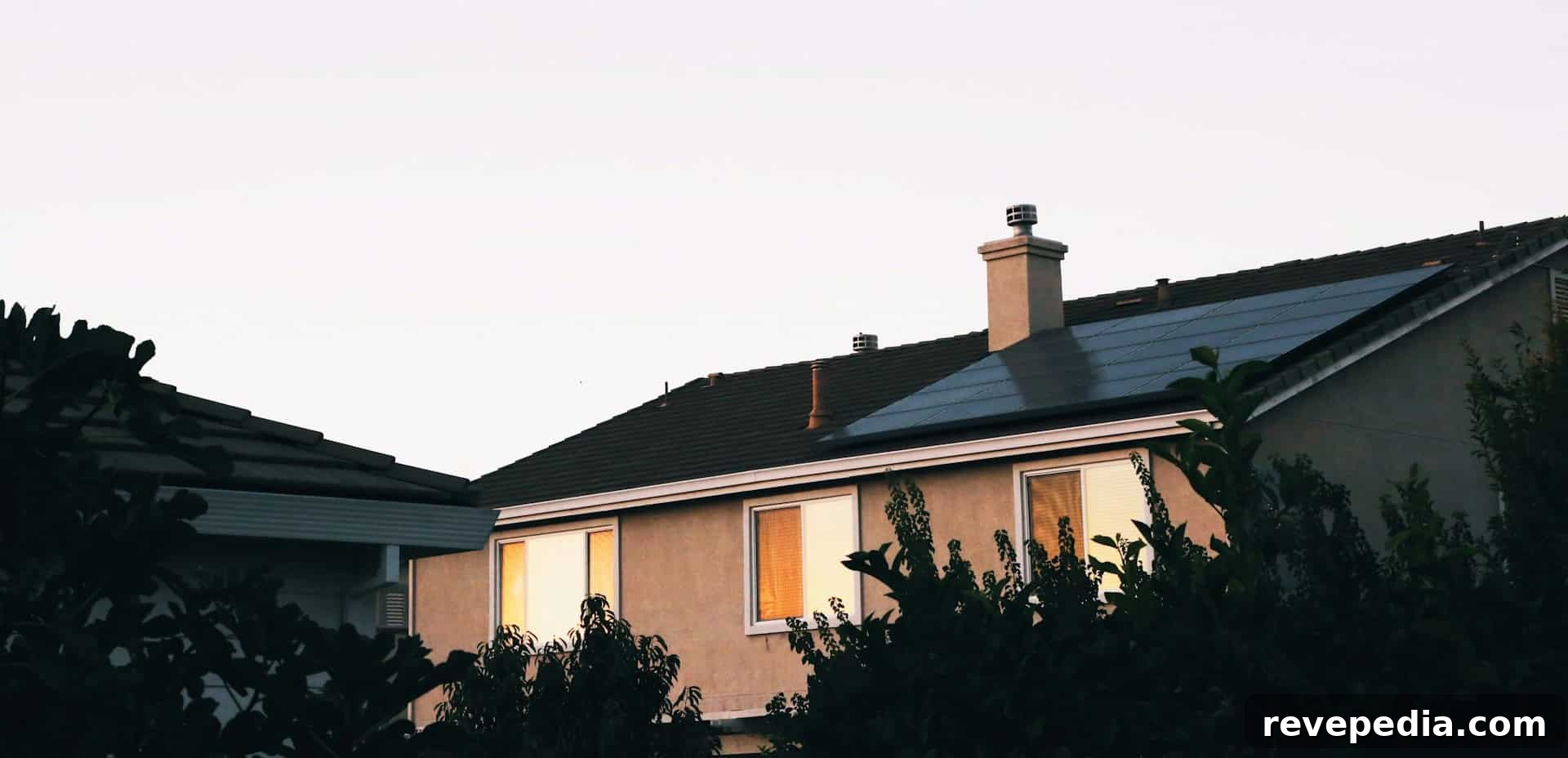
Building a green home is an admirable goal, but turning that aspiration into reality requires careful planning, realistic budgeting, and thoughtful decision-making.
The tips below will help you determine whether building a green home is the right choice for you and your family. The key is to select materials and design strategies that support long-term durability and low environmental impact. Sustainability and minimizing ecological footprint are the foundation of any green building project.
1. Your lifestyle matters
Before you begin designing your new house, evaluate your household habits. Do you leave lights, TVs, or other devices running when they aren’t needed? Do you rely on constant air-conditioning even when a breeze would suffice? Occupant behavior is one of the biggest factors in a home’s overall energy use. Even the most efficient technologies can be undermined by wasteful daily habits.
If you plan to build in a region where passive design features, insulation, and smart energy systems are common, ensure your household routines will allow those systems to perform optimally. Thoughtful daily choices are an essential complement to any green design.
2. You are not alone
Once you decide to build green, reach out to your local green home builders association. These organizations—often nonprofit and educational—promote current best practices, set certification standards, and help homeowners understand the construction choices being made on their behalf.
Associations typically offer inspections and oversight that catch details builders or homeowners might miss. Small components—like properly installed flashing around chimneys—can have an outsized impact on long-term efficiency and durability. Even if you don’t know technical terms or construction details, certified builders and inspectors ensure projects meet rigorous sustainability criteria.
3. Location, location, location
Where you build matters for sustainability. Choosing a site that allows walking, biking, or convenient public transit reduces transportation-related energy use and emissions over the life of your home. Neighborhood selection affects daily habits—commute times, errands, and recreation—and therefore influences your household’s carbon footprint. Prioritize locations that support low-energy lifestyles whenever possible.
4. Size matters
A smaller, well-designed home typically uses fewer resources to build and less energy to maintain. Many people prefer comfortable, efficiently planned spaces to oversized homes. Thoughtful layout and smart design can make a modest square footage feel generous and functional while reducing material consumption and ongoing energy demands. When designing from scratch, use the opportunity to “do more with less” to benefit both your family and the environment.
5. Orientation
Designing your home to take advantage of sunlight and natural ventilation is vital. Proper orientation—considering sun paths, prevailing winds, and local climate—helps illuminate interiors, reduces heating and cooling loads, and supports passive solar gain or shading strategies. Because climate and topography vary widely, work with your architect and builder to optimize orientation for your site’s specific conditions.
6 and 7. Control your energy use and go with the flow
Energy efficiency and airflow are inseparable in a sustainable home. A tight, well-insulated building envelope combined with proper ventilation reduces heating and cooling needs while maintaining indoor air quality. Careful placement of insulation and high-quality, properly installed windows cut energy loss. When walls, windows, and ventilation work together, heating and cooling systems run less often, lowering energy bills and extending equipment life.
8. Stop moisture in its tracks
Moisture control is crucial for durability and indoor health. Poorly managed water—whether from rain during construction, leaks, or high humidity—leads to mold, rot, and structural damage. Good building practice prevents water intrusion through proper flashing, sealed openings, and controlled ventilation.
Builders must also address site water management: controlling runoff, preventing soil erosion, and protecting local waterways. Thoughtful landscaping and rainwater strategies, like collection systems, can reduce a home’s environmental impact and help manage stormwater responsibly.
9. Process makes perfect
Many of the most important aspects of a green home are procedural rather than visible. Effective design and thoughtful construction details—such as routing hot water lines so hot water reaches faucets quickly—save resources and improve daily comfort. The three pillars of home efficiency—energy performance, airflow, and water management—depend on disciplined design and workmanship.
Before approving plans, discuss HVAC placement, equipment sizing, and system layouts with your designer and your green builders association. Process-oriented decisions made early pay dividends over the life of the house.
10. Material science
Material choices profoundly affect a home’s environmental footprint and longevity. In addition to energy-efficient appliances and low-flow fixtures, select durable, low-impact materials for the structure and finishes. High-quality insulation, moisture-resistant assemblies, and sustainably sourced or recycled materials reduce waste, maintenance, and long-term environmental cost. Thoughtful material selection, paired with smart design and construction practices, is a powerful way to make your green home both efficient and resilient.