
The interior design industry has grown dramatically in recent years, driven in part by popular television programs and channels that have brought design into the mainstream. Yet while a handful of high-profile designers have turned fame into lucrative careers, many talented professionals still struggle to turn creative skill into sustainable, well-paid businesses. Bridging the gap between passion and profit requires not only design talent but clear business practices and confident communication with clients.
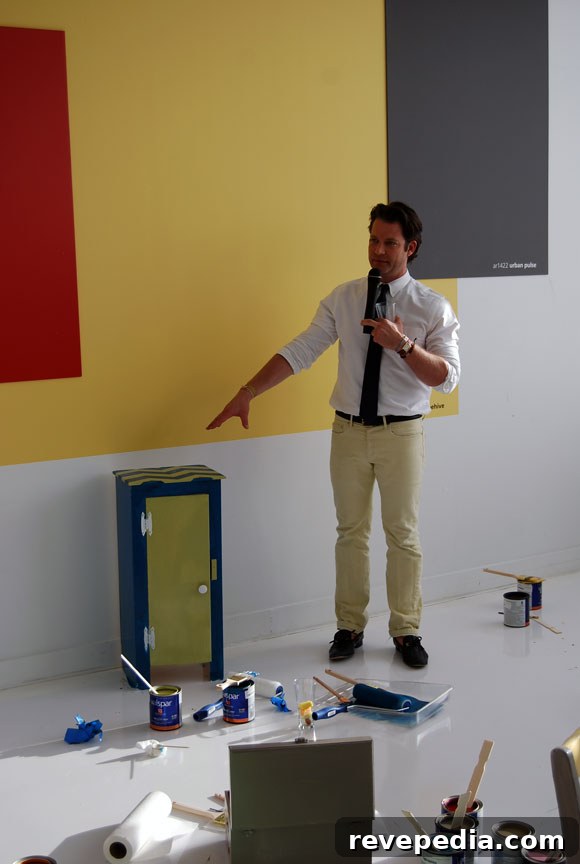
At a recent industry panel held at the Rose Tarlow House, I met designers and professionals who shared insights into running a successful design practice. One contact, Zak Graff, introduced me to Keith Granet’s book, The Business of Design: Balancing Creativity and Profitability. Granet, who has represented top design talent, offers practical guidance for designers navigating client relationships, fees, and the business side of the profession.
Granet and other industry voices have been featured in resources aimed at helping designers understand when and how to discuss fees, set boundaries, and communicate value. These recommendations benefit both designers and clients: designers can earn what they deserve, while clients gain clarity about the process, costs, and outcomes they should expect.
Delay fee discussions until you’ve built rapport
When designers first enter a client’s home, the client often feels vulnerable. Bringing up money at that initial meeting can undermine trust. Granet recommends using the first visit to connect with the client, discover their tastes, and inspire confidence in your aesthetic and approach. That meeting should be about establishing chemistry and understanding the project, not negotiating price.
Prioritize fit over persuasion
San Francisco-based designer Suzanne Tucker advises that the most important question is whether you and the client are the right match. If a designer must constantly convince a client of their worth, the fit may be wrong. Clients should be searching for the right designer—someone whose vision aligns with theirs—not the lowest price or most negotiable contract.
Give a general range, not a detailed estimate, at first
Washington, D.C.-based designer Lisa Adams spends the initial meeting determining the scope of a project—what the client wants and the style they prefer. If pressed about cost, she provides a broad range but avoids detailed specifics until the scope is clear. Shifting the conversation back to the project and showing new ways to use the space often convinces clients of the designer’s value and leads to engagement.
Don’t ask clients to volunteer their budget immediately
Many clients hesitate to reveal their budget because they fear being taken advantage of. Instead of pushing them for a number, focus on uncovering needs, priorities, and expectations. A thoughtful discussion of goals and preferences will naturally reveal whether the project aligns with realistic costs.
Address fees and contracts early in the relationship
If the client requests a follow-up meeting, be prepared to discuss rates. Granet suggests addressing contract and billing details up front so they don’t overshadow the creative collaboration. Framing the conversation—“let’s get the contract and billing out of the way so we can focus on the fun parts”—allows designers to emphasize relationship-building while handling necessary business matters candidly.
Have fee conversations face-to-face
While email can document details, the initial fee discussion should happen in person. Face-to-face conversations allow you to gauge reactions, answer questions immediately, and adjust explanations so clients understand the value behind the number.
Stand firm without apologizing
Clients may be surprised by fees because they don’t always understand the scope of what designers do. Don’t apologize for your rates. Instead, explain the difference between filling a house with products and creating a home through a thoughtful, collaborative process. Clarify how your work—researching materials, coordinating vendors, overseeing installations, and translating a client’s personality into a functional space—creates lasting value.
Demystify your process
Be specific about the services you provide: access to trusted vendors, expertise in color and materials, experience with renovations and technical plans, and the ability to design spaces that accommodate how people live and move. When clients understand the breadth of your responsibilities, they’re less likely to be surprised by the cost.
Use examples and transparency to build trust
Granet recommends showing examples such as sample invoices and clear explanations of markups. Invite clients to ask questions about anything that seems unclear. Transparency reduces client anxiety—no one likes hidden costs—and makes it easier for clients to see the tangible value in your work.
Set consistent fees and protect your credibility
Once you’ve established your rates, stick to them. Discounting or negotiating fees can undermine your credibility and create a precedent that encourages further haggling. If clients learn you charge different prices for different projects, your reputation and negotiating power suffer.
Resist the urge to discount
Economic downturns and slow periods can tempt designers to lower prices to win work. Granet and Tucker both advise against this. Industry professionals should value their expertise and resist equating lower cost with competitiveness. Clients often feel comfortable questioning design fees in ways they wouldn’t with other professionals—doctors, dentists, or lawyers. Raising the perceived value of the profession starts with designers confidently asserting their worth.
In short, successful interior design practice depends as much on clear communication, transparent processes, and firm business practices as it does on creative skill. By focusing on fit, explaining the work you do, and handling fees confidently and professionally, designers can build healthier practices that reward their talent and give clients the clarity and service they expect.