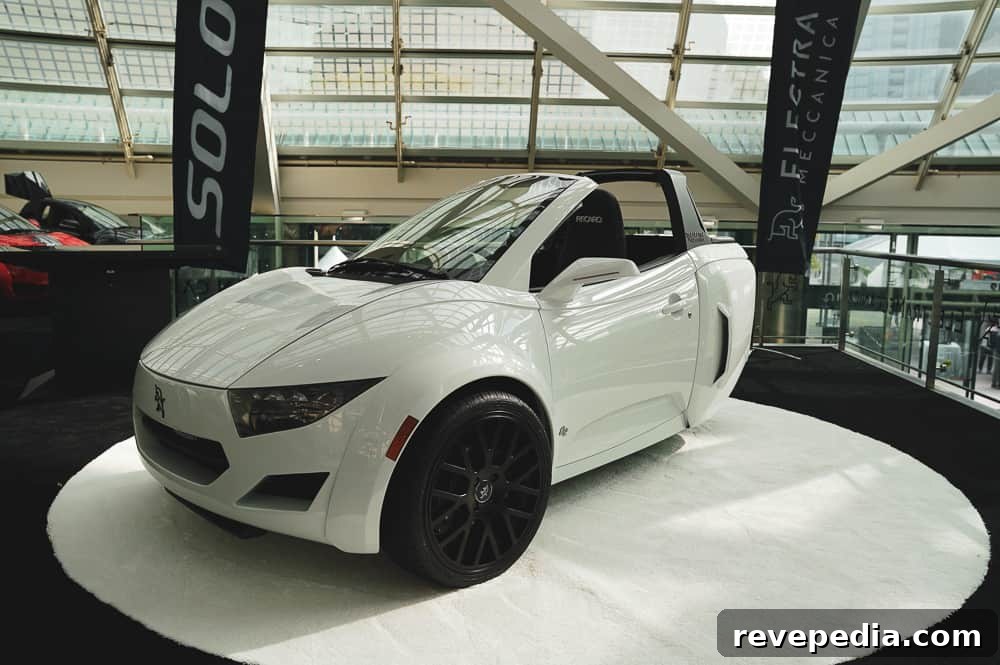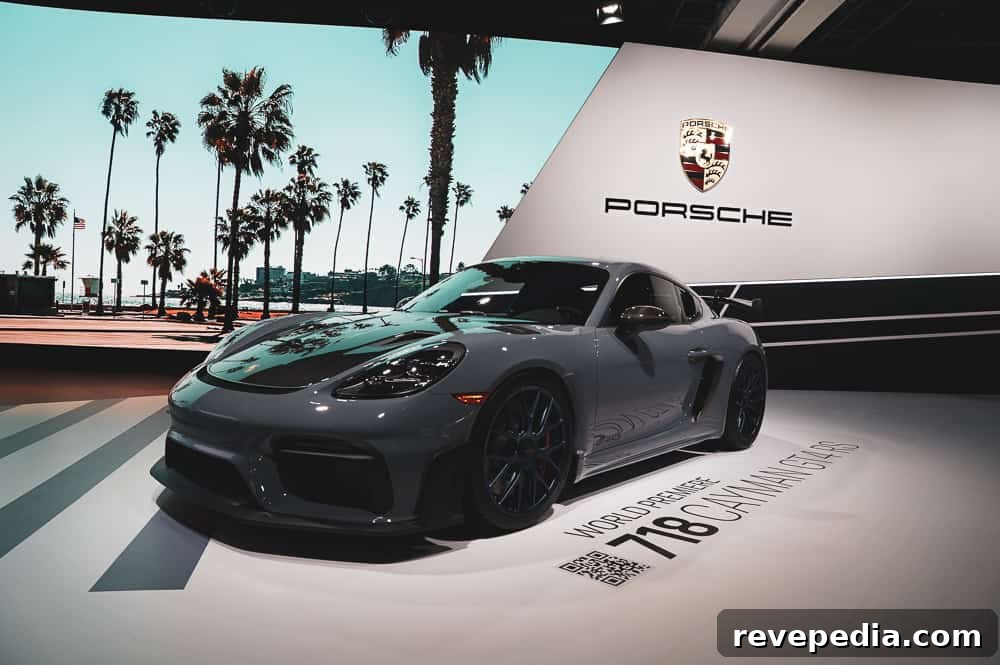
The LA Auto Show, now branded as Automobility LA, opened this week. After the high-energy spectacle of SEMA, I was ready for a calmer, more focused event — and Automobility LA provided exactly that.
The main impression from the show is clear: electrified vehicles are arriving rapidly, driven by manufacturers’ ambitious targets and growing regulatory pressure. Automakers are investing heavily to meet self-imposed goals and government mandates, accelerating the shift toward electric mobility.
That said, the question remains: are consumers prepared — and eager — to buy electric vehicles? Market research and surveys suggest many buyers find the landscape confusing. Terms like EV, BEV, PHEV, and hybrid are thrown around frequently, and for a lot of shoppers the choices and trade-offs are not obvious.
If you’re weighing your next purchase, consider whether an electrified vehicle fits your lifestyle, driving patterns, and access to charging. For some, plug-in hybrids and mild hybrids offer a comfortable bridge to full electrification; for others, a full battery electric vehicle will be the right long-term choice.
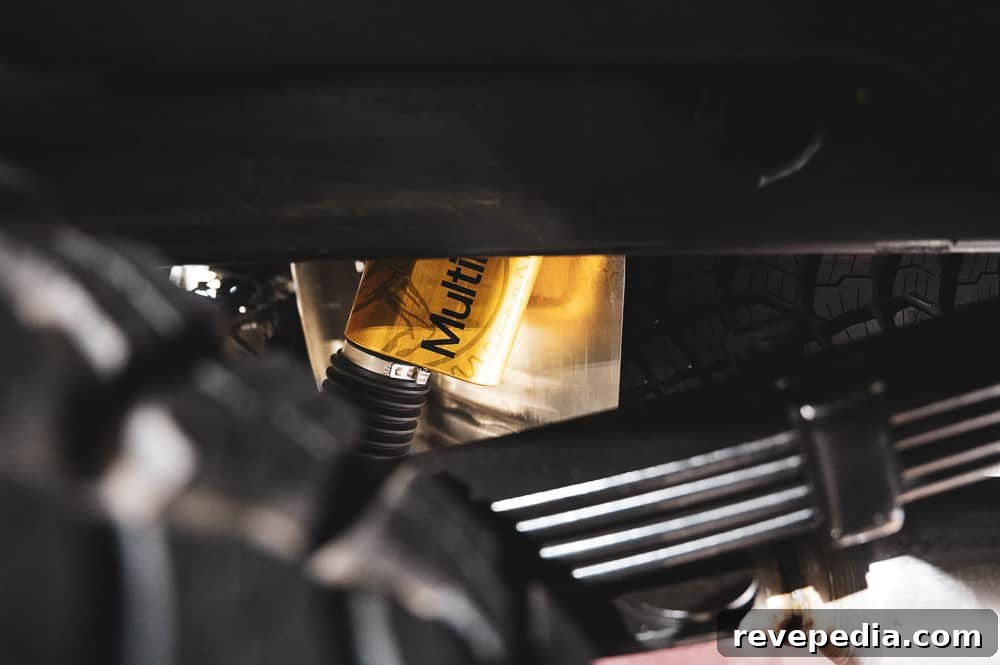
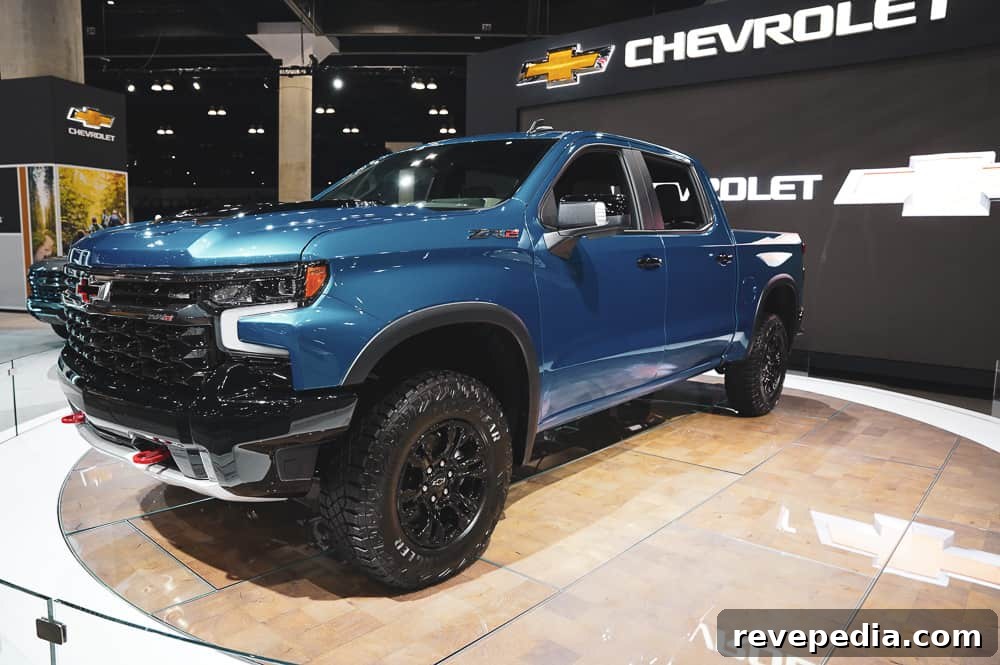
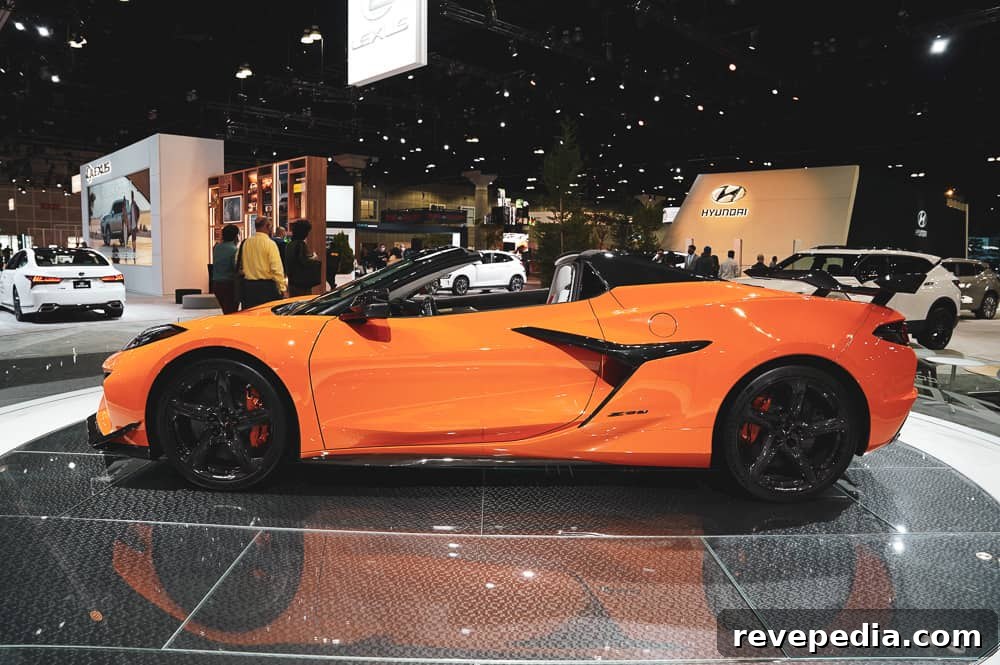
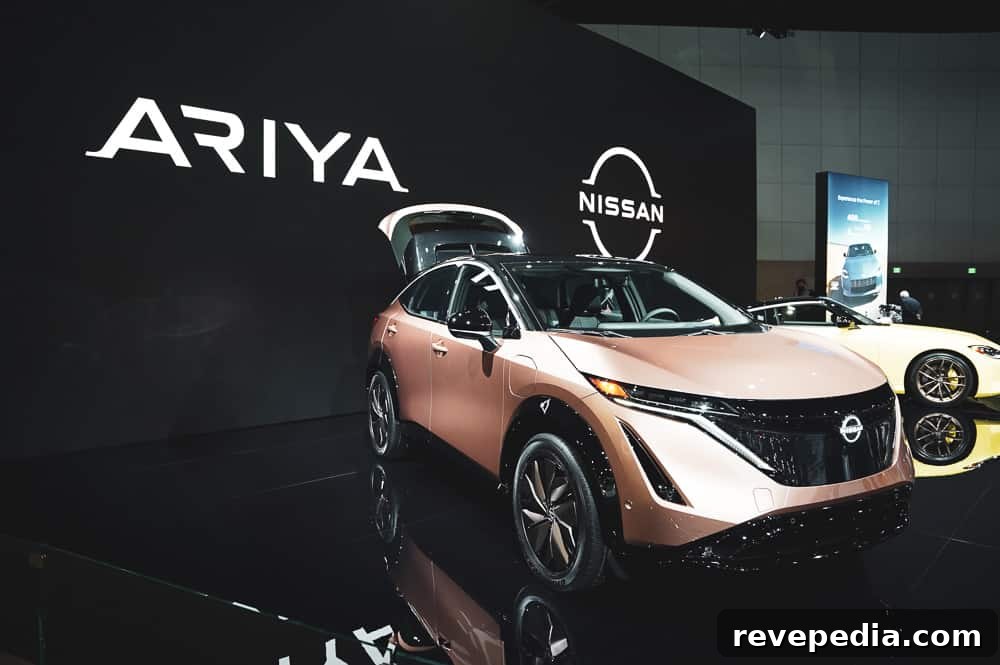
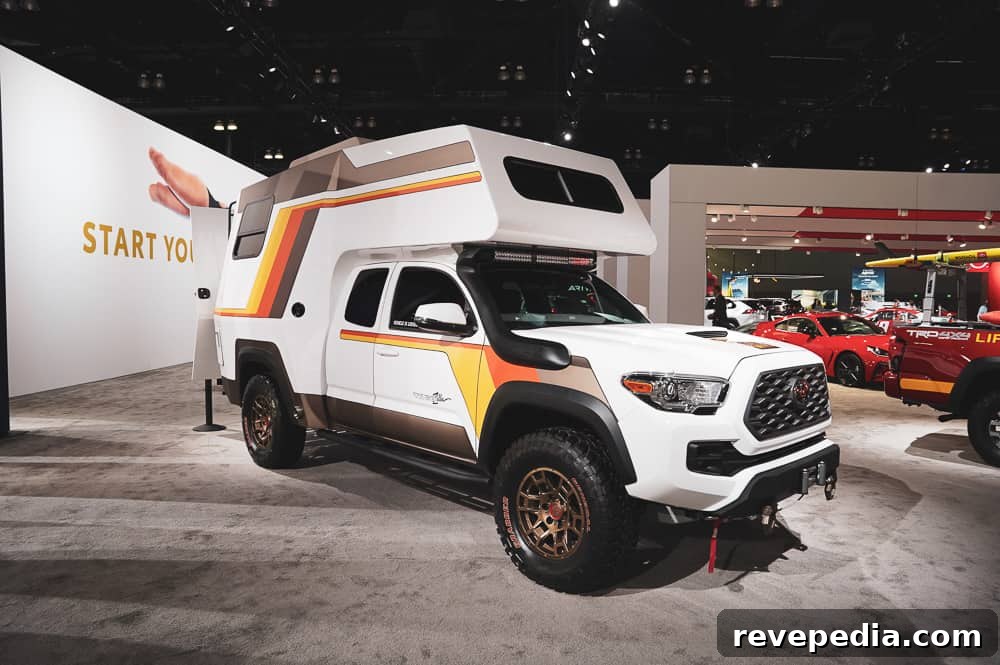
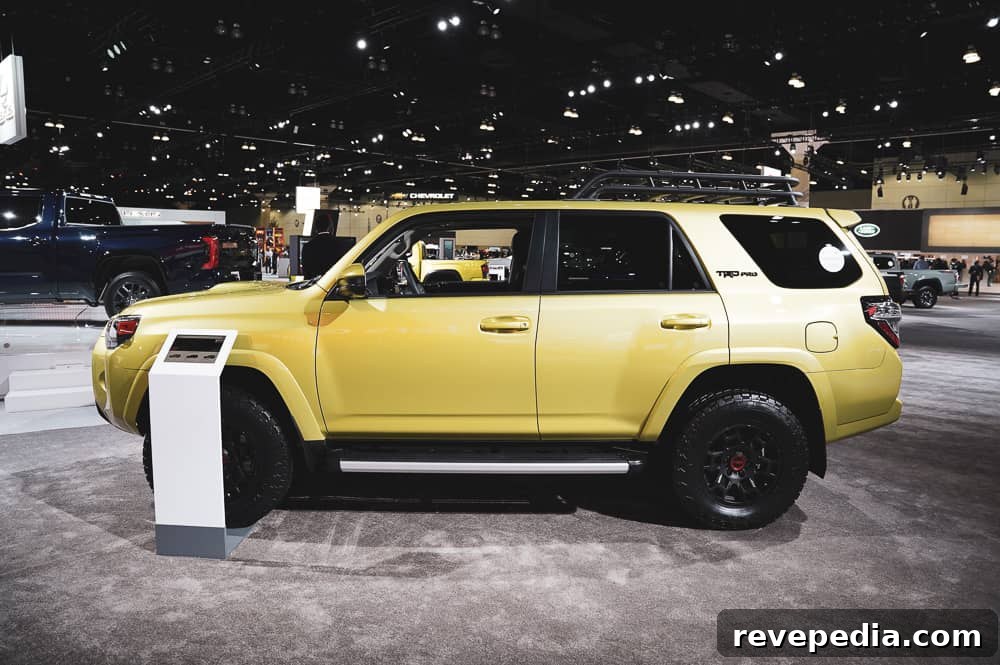
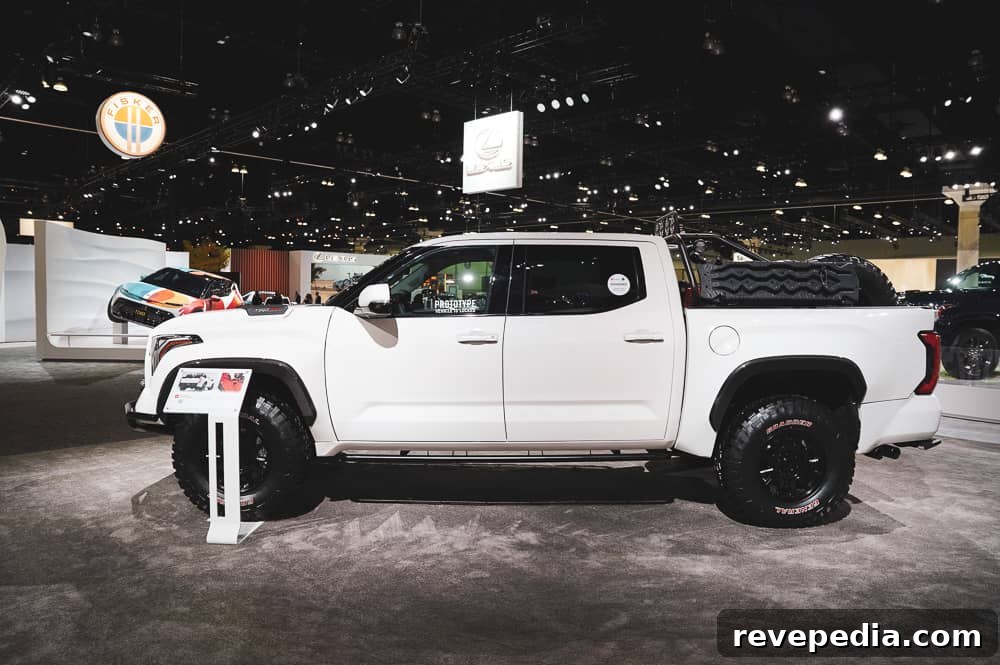
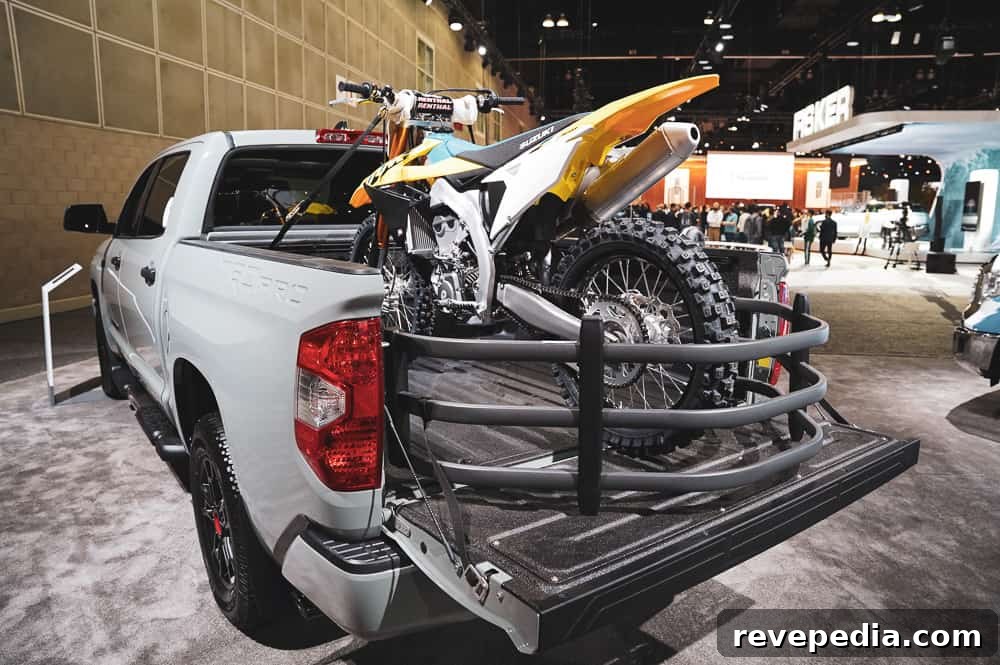
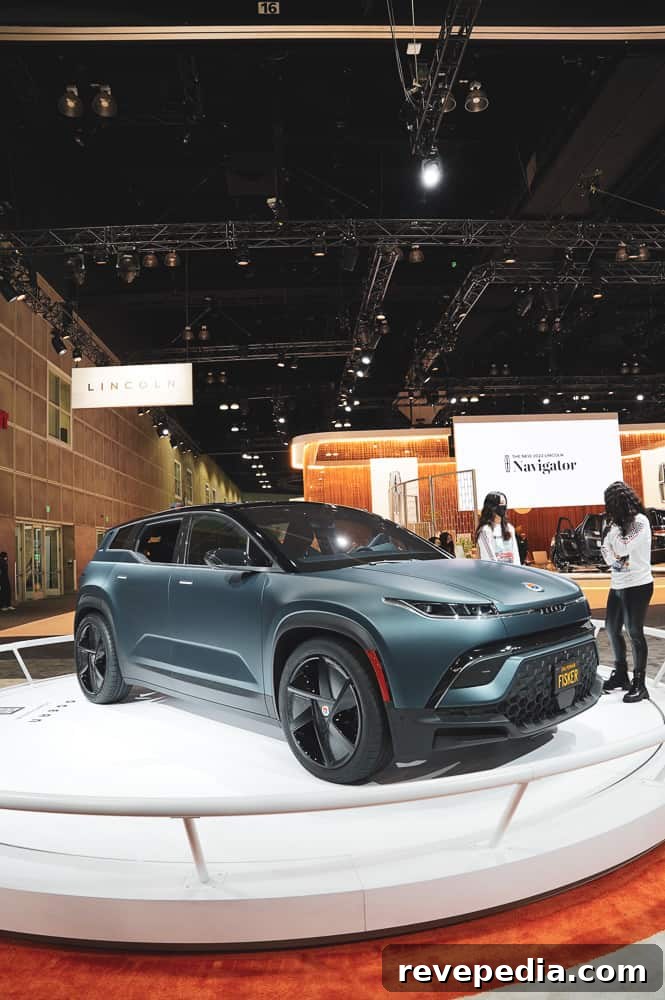
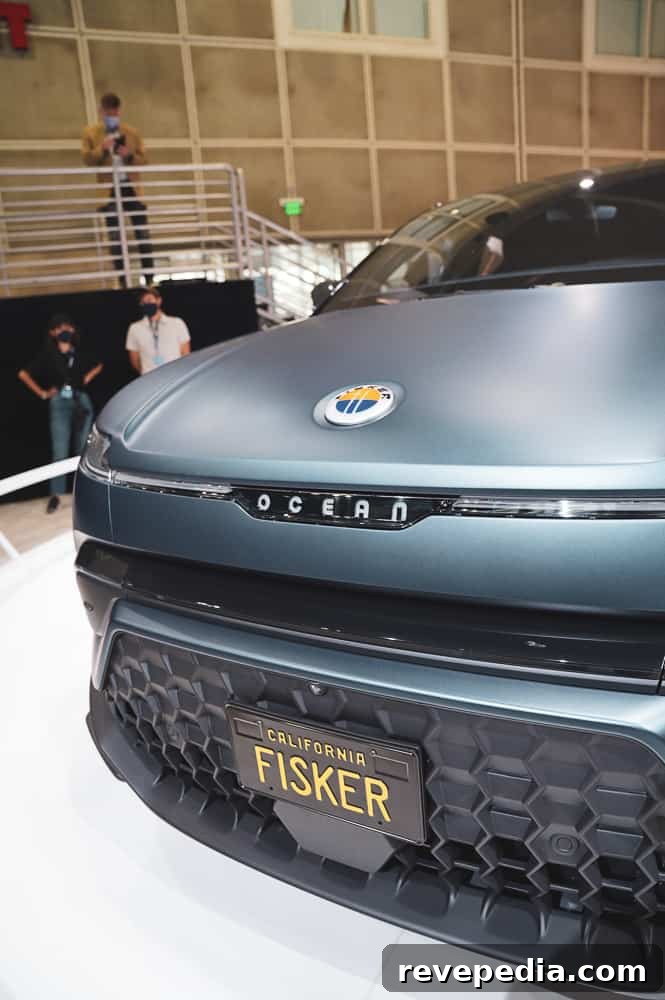
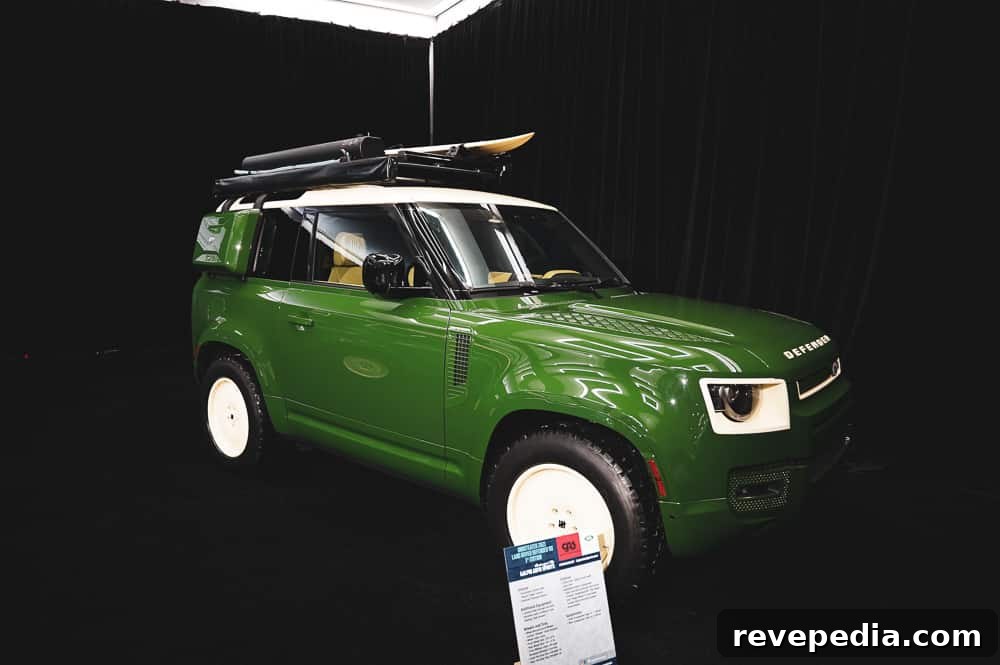
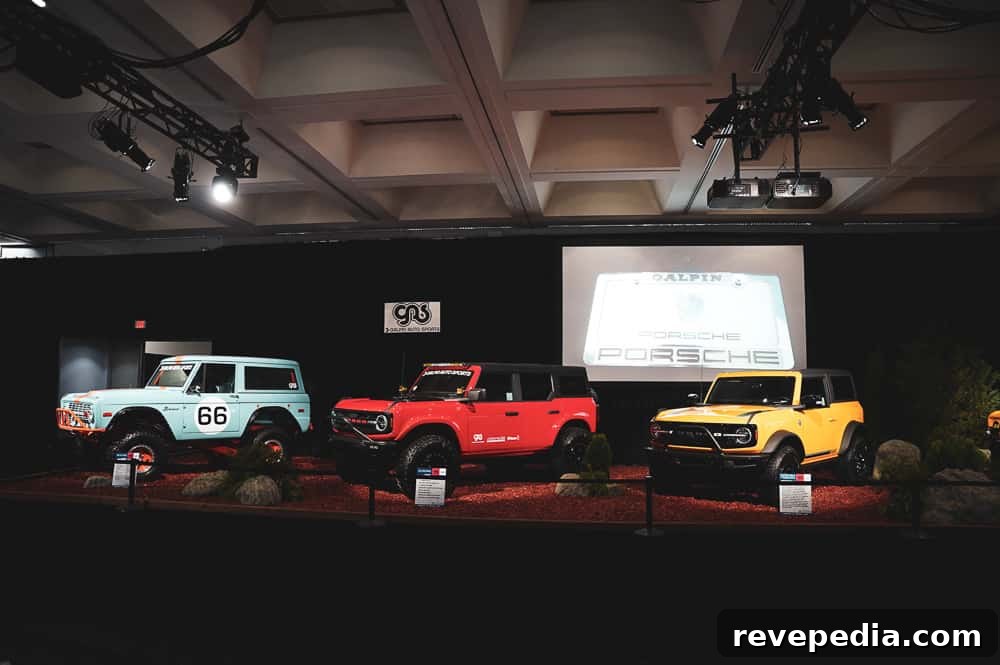
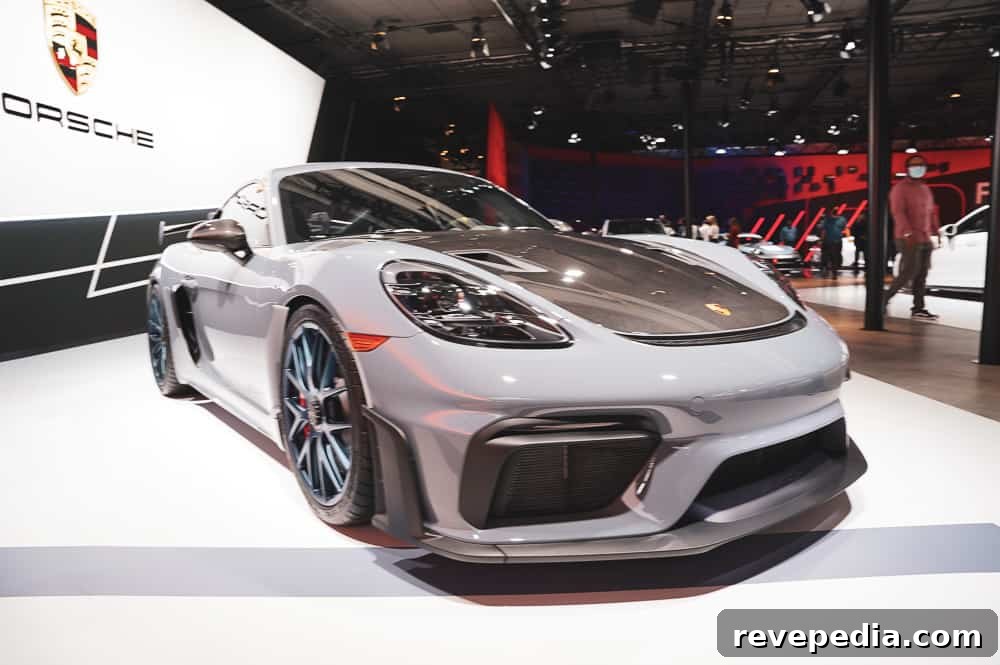
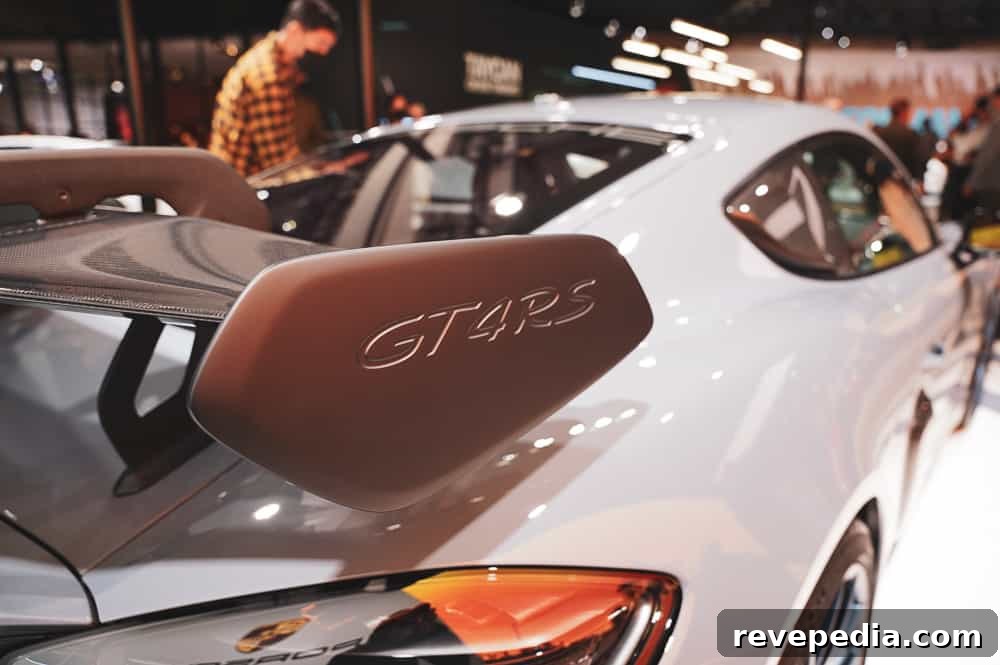
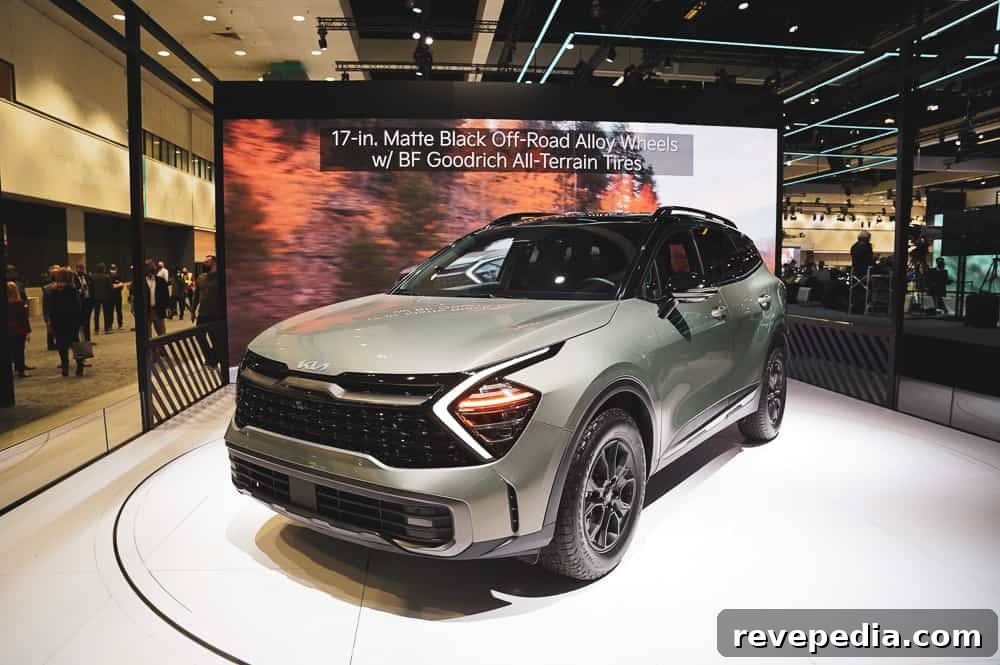
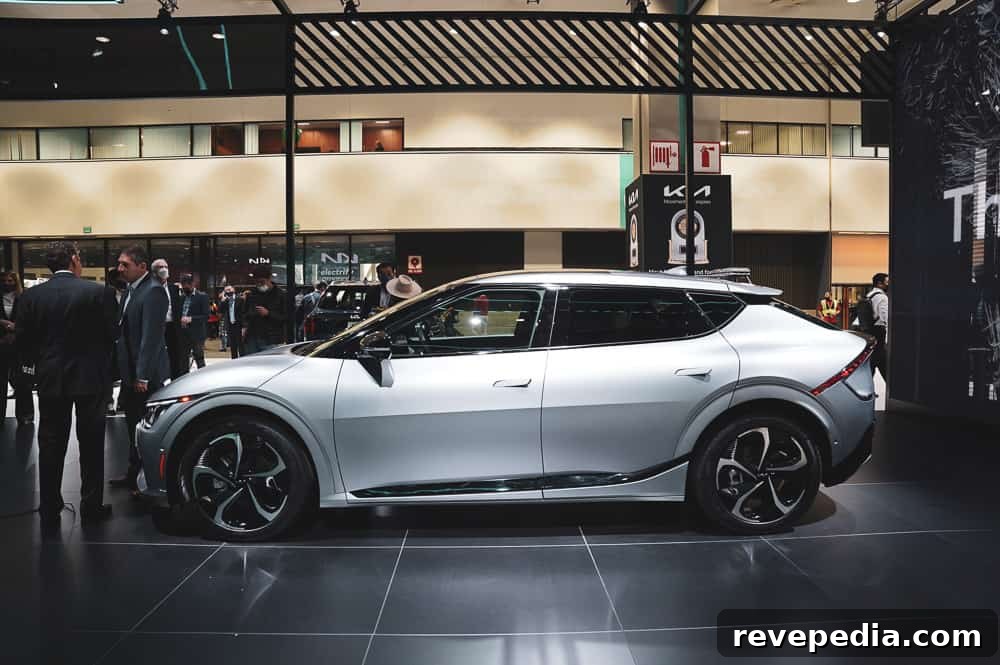
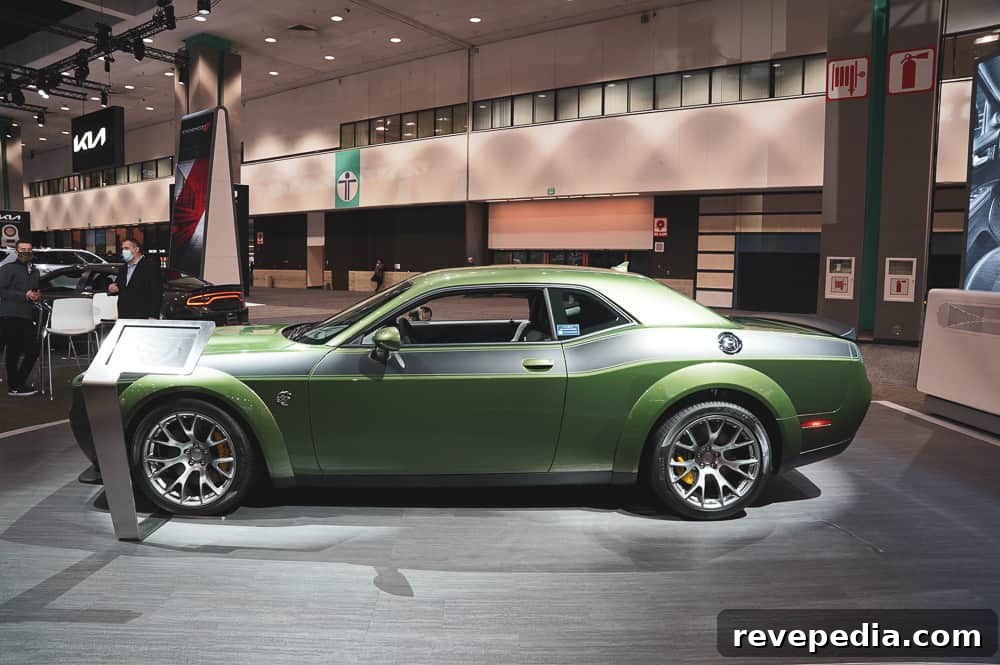
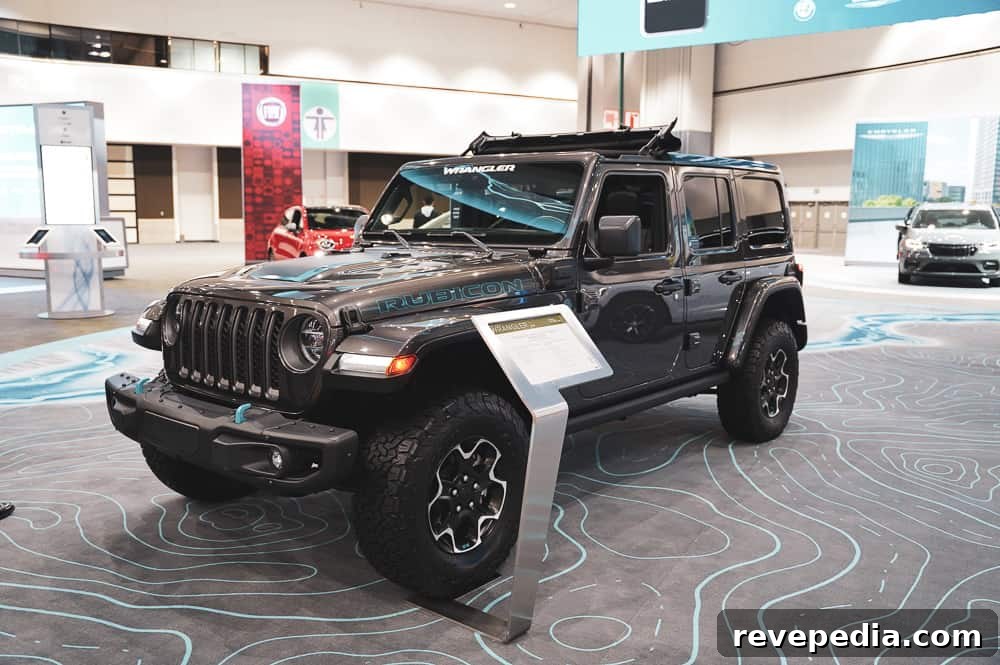
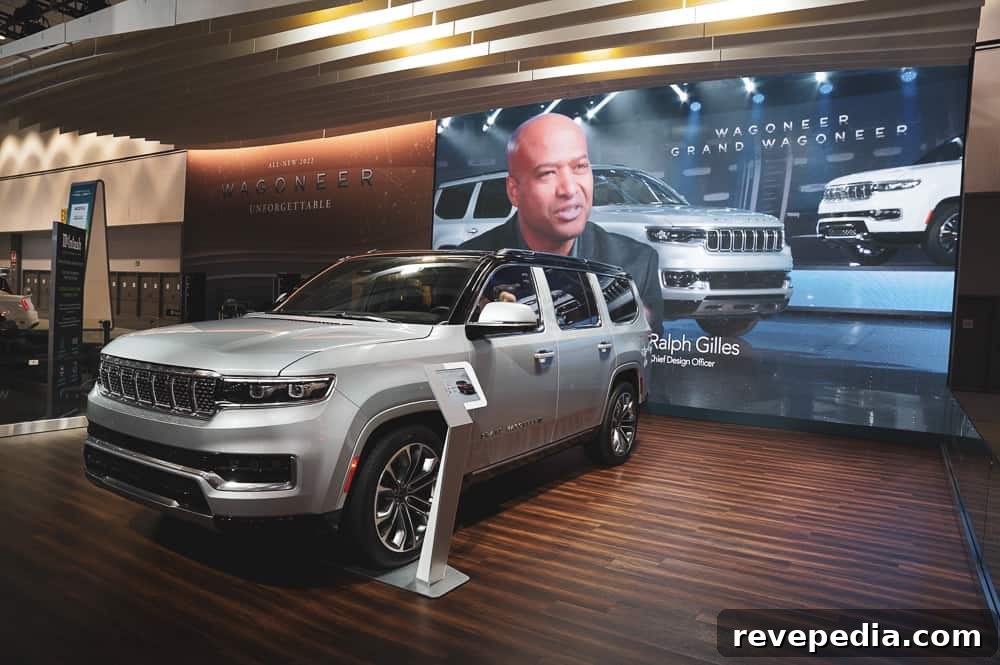
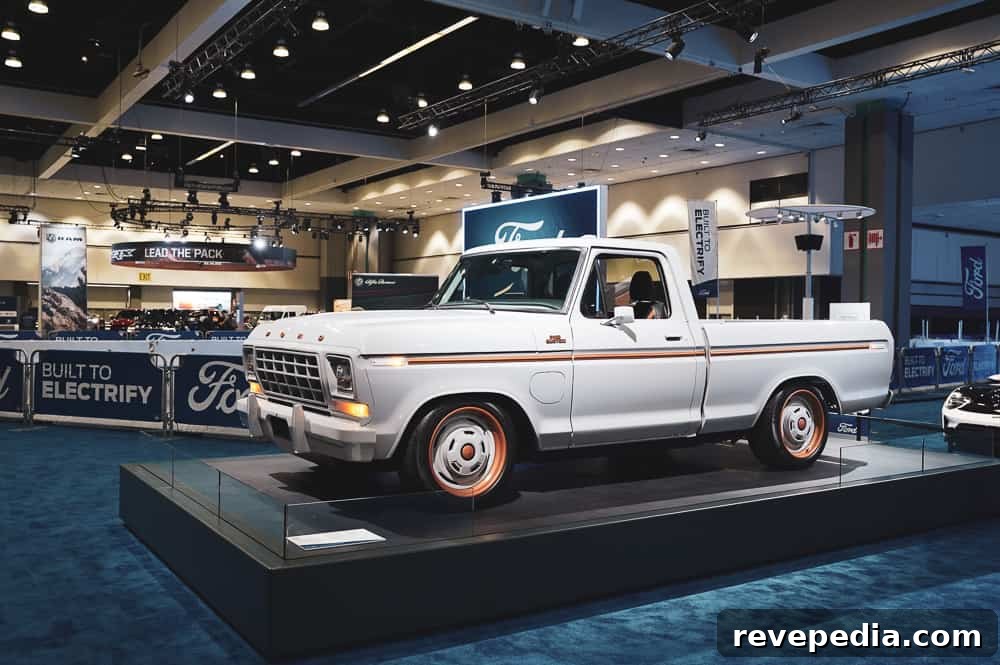
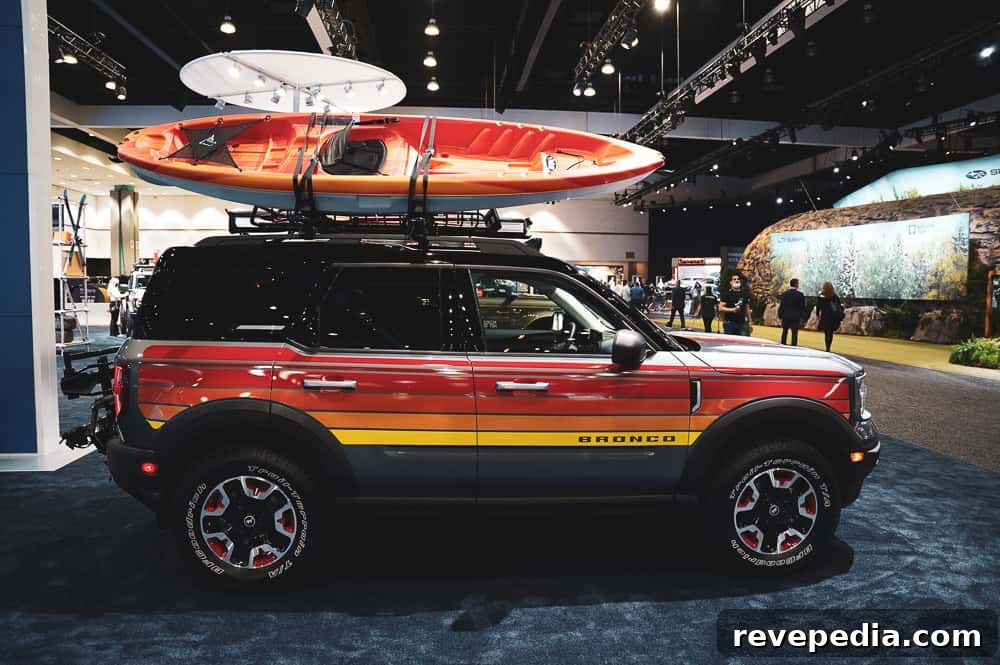
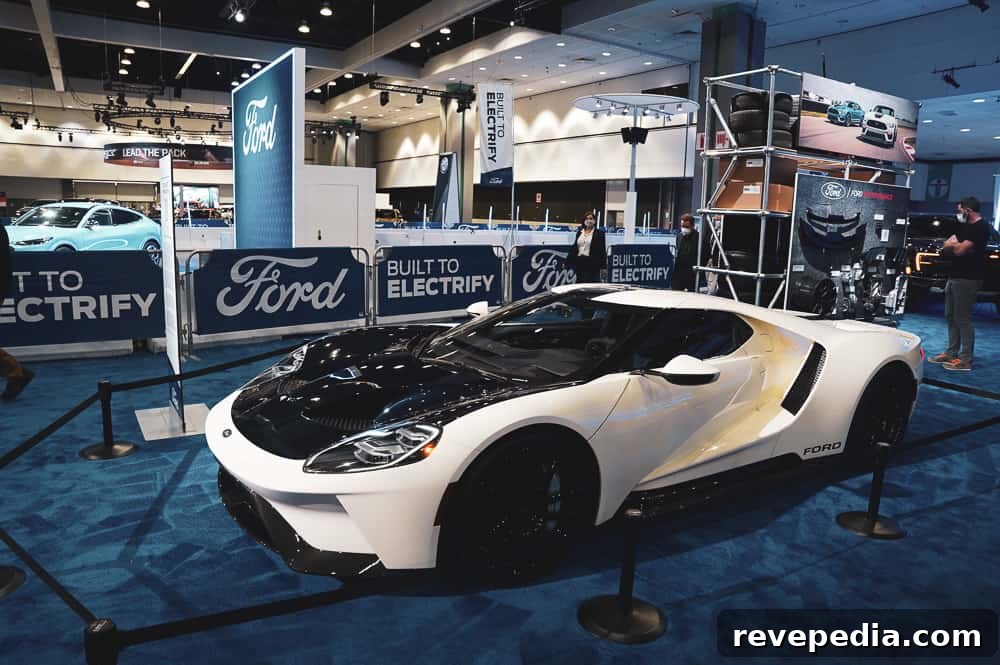
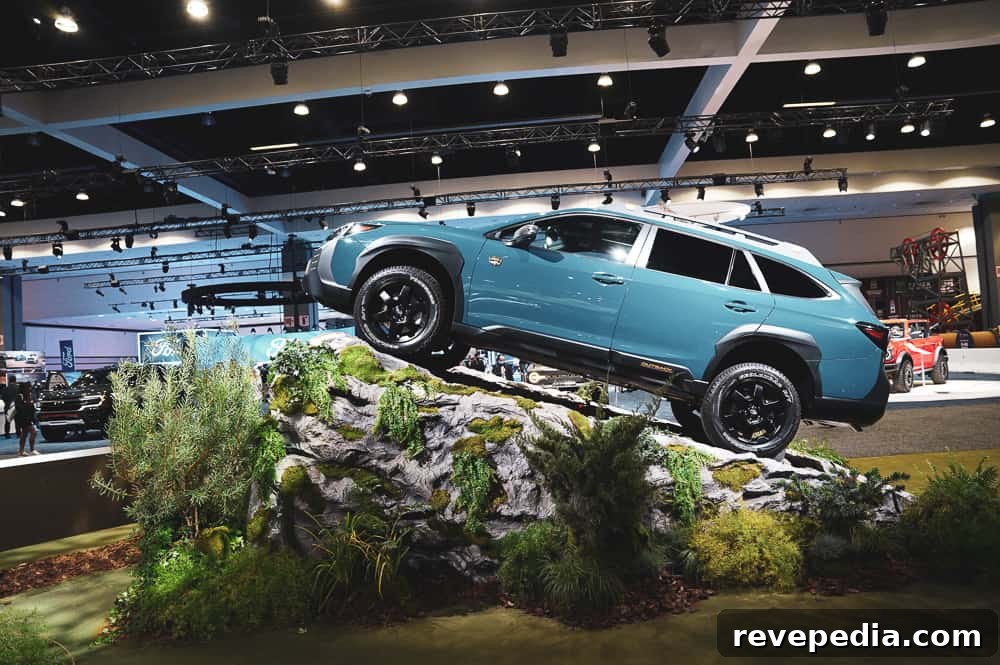
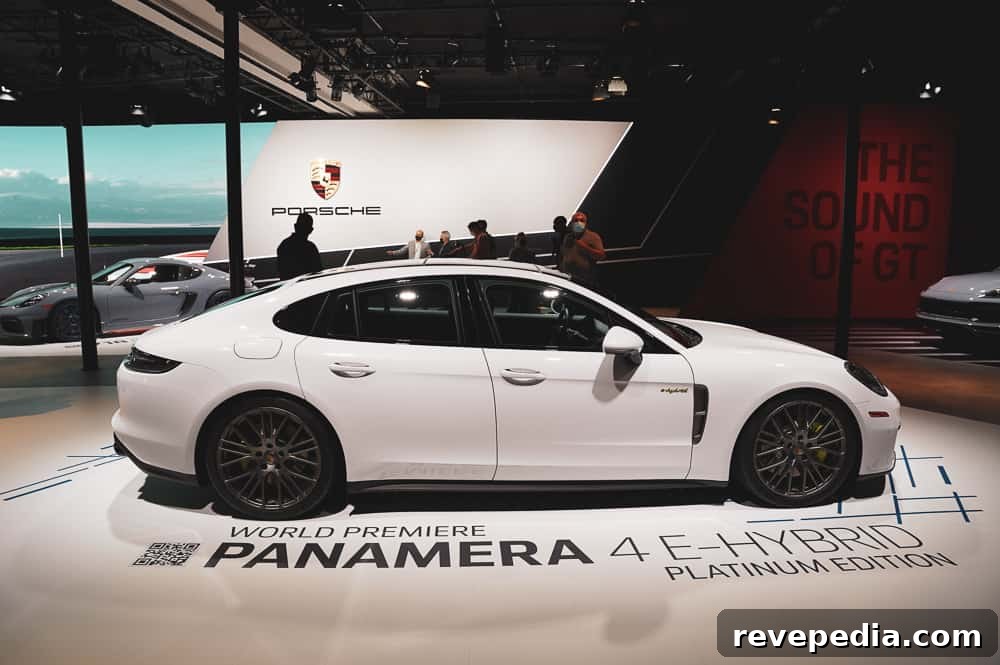
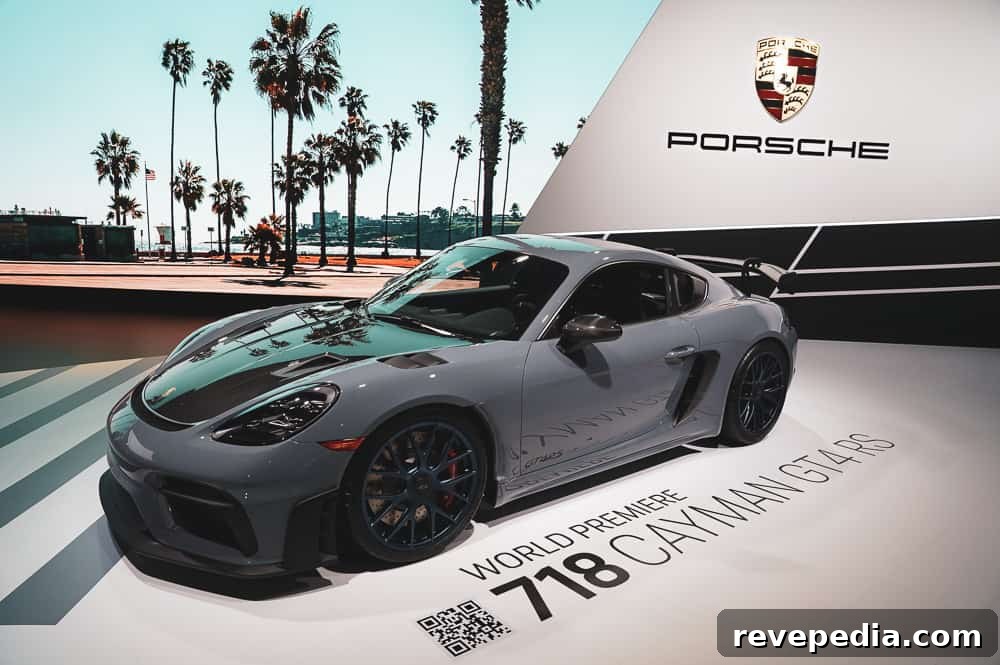
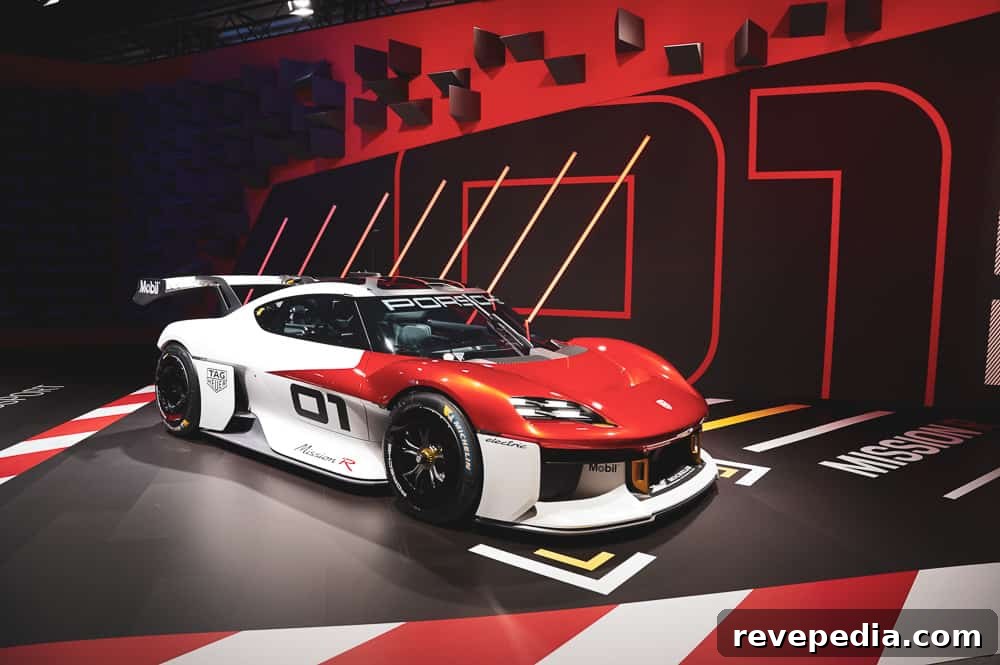
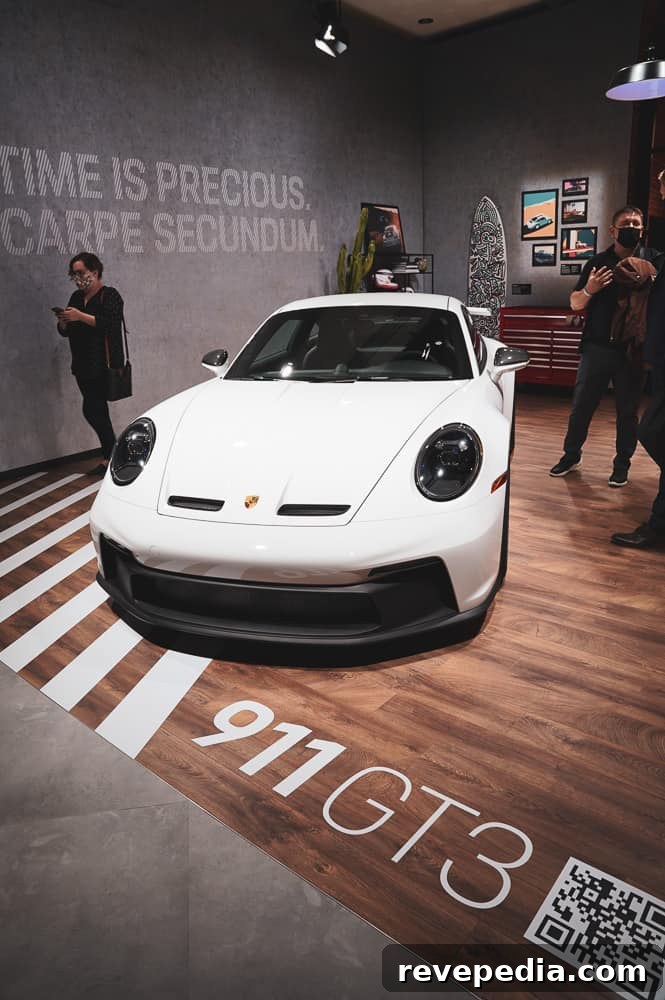
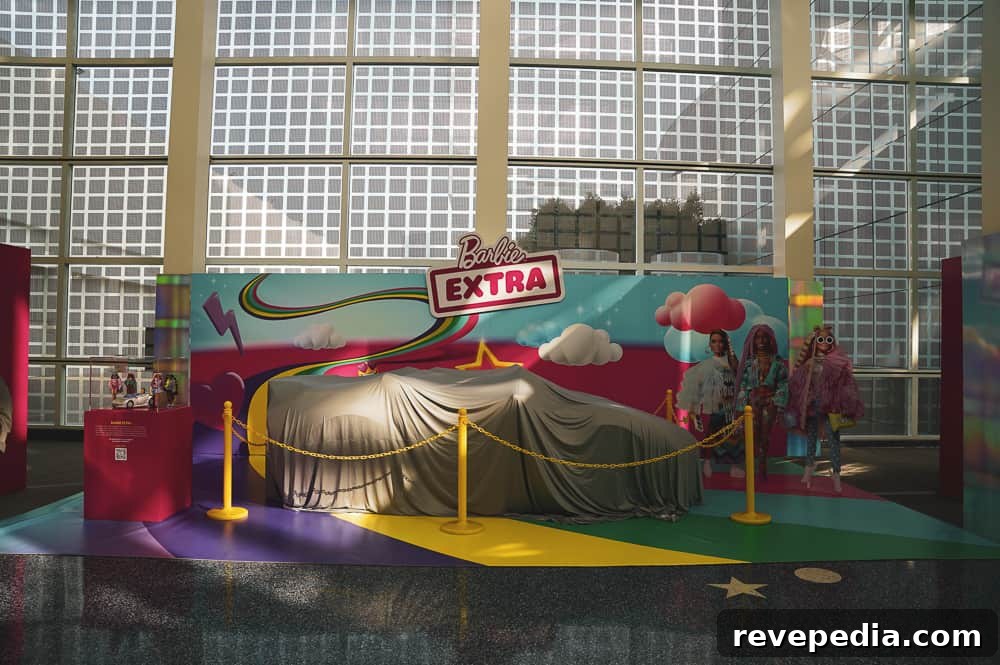
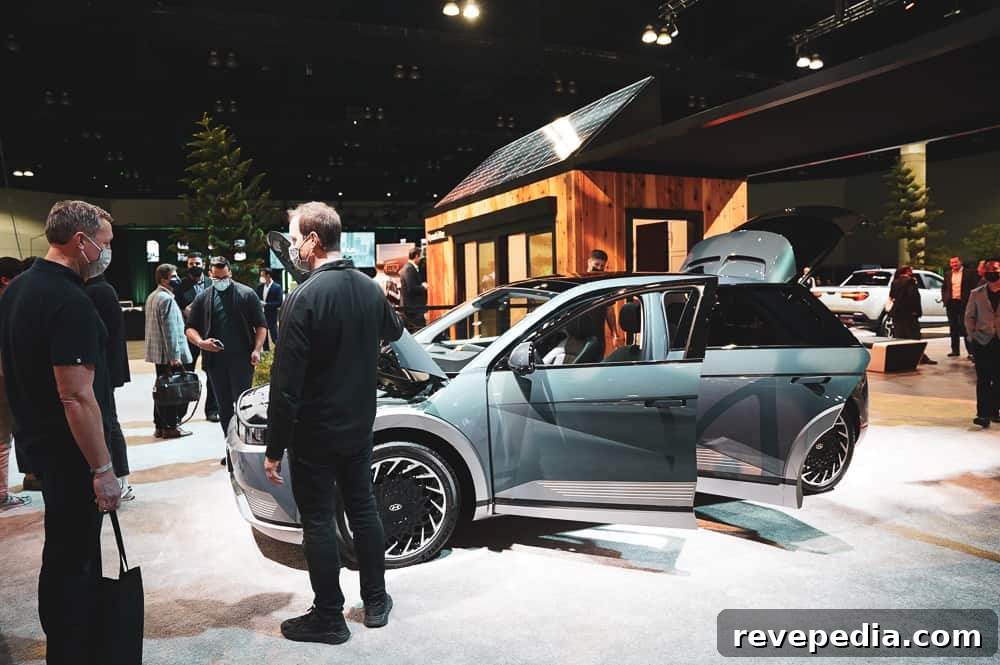
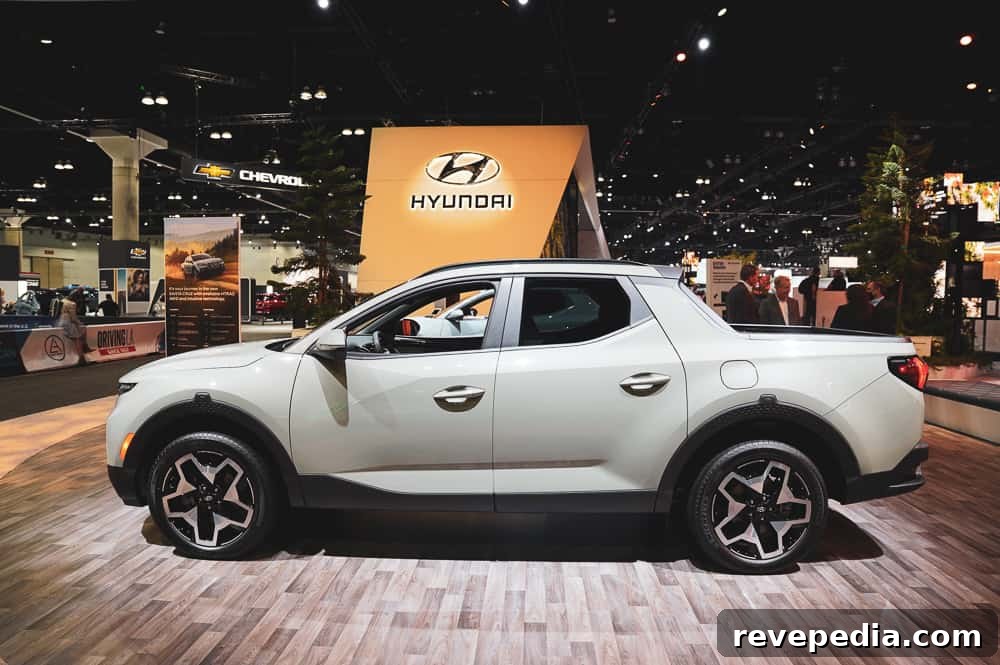
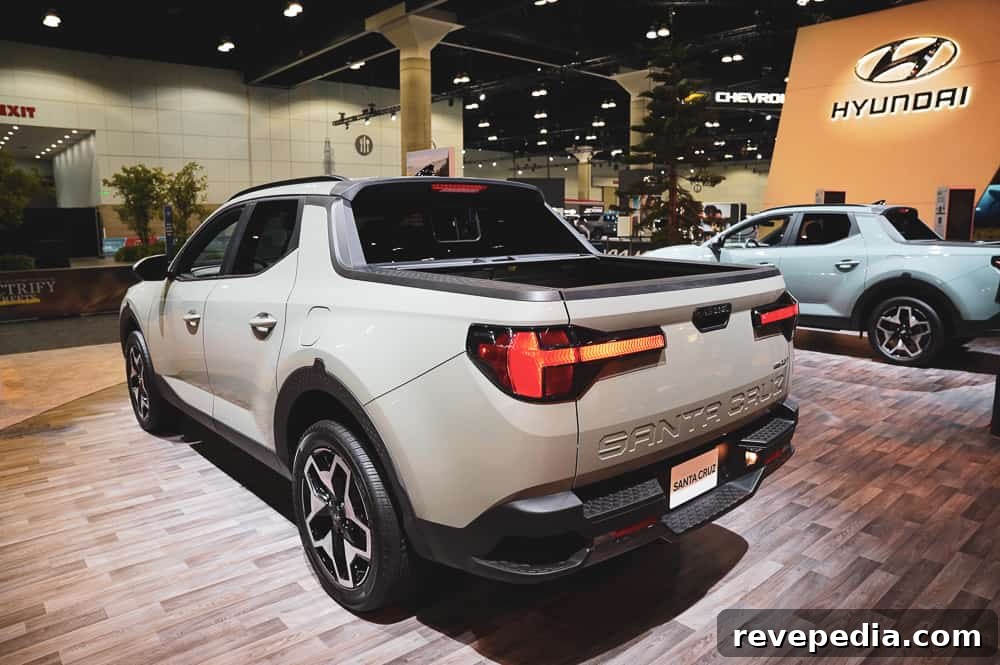
Over the next few days I’ll publish profiles on a few standout vehicles I saw at the show, digging into range, charging options, interior features, and pricing where available. For now, here’s a gallery of cars and trucks that captured attention at Automobility LA.
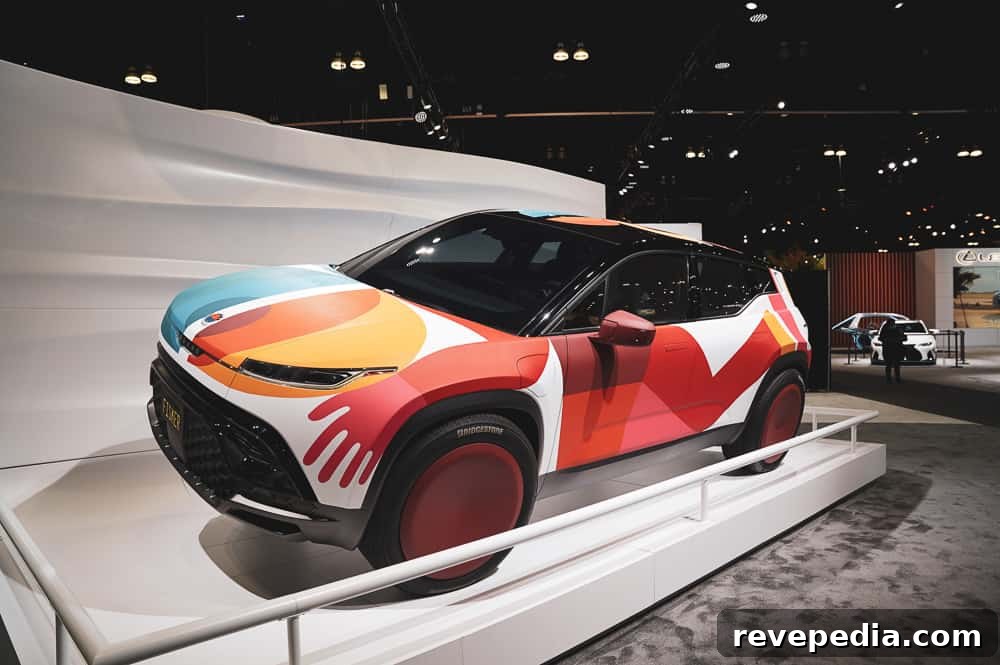
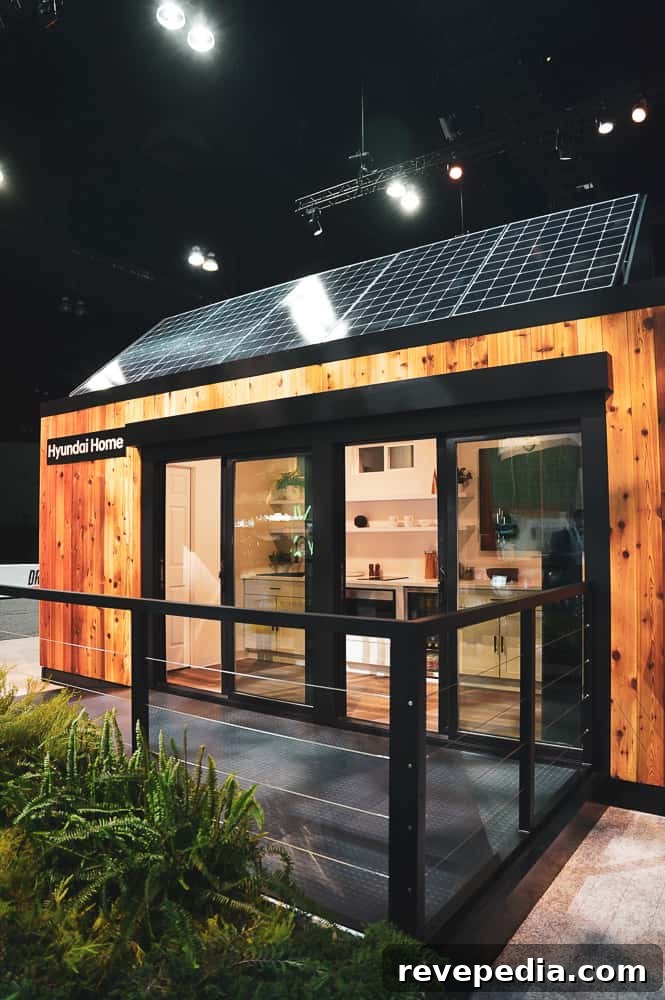
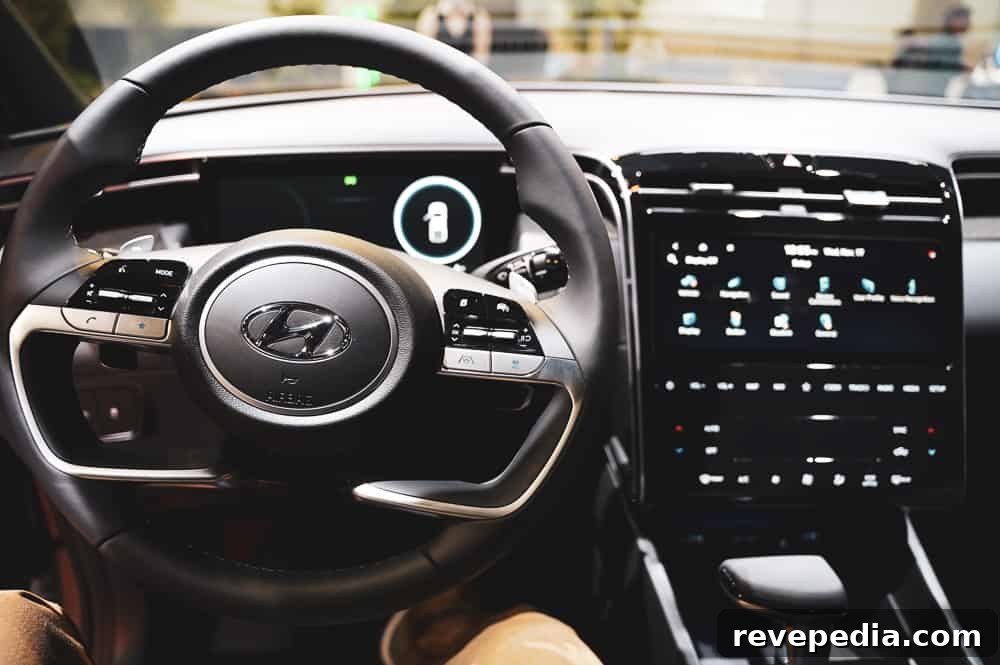
The exhibits ranged from production-ready electric models to concept cars that preview upcoming design directions. Many manufacturers showcased quiet, refined interiors and minimalist dashboards centered around large displays, underscoring how EVs are changing both propulsion and cabin experience.
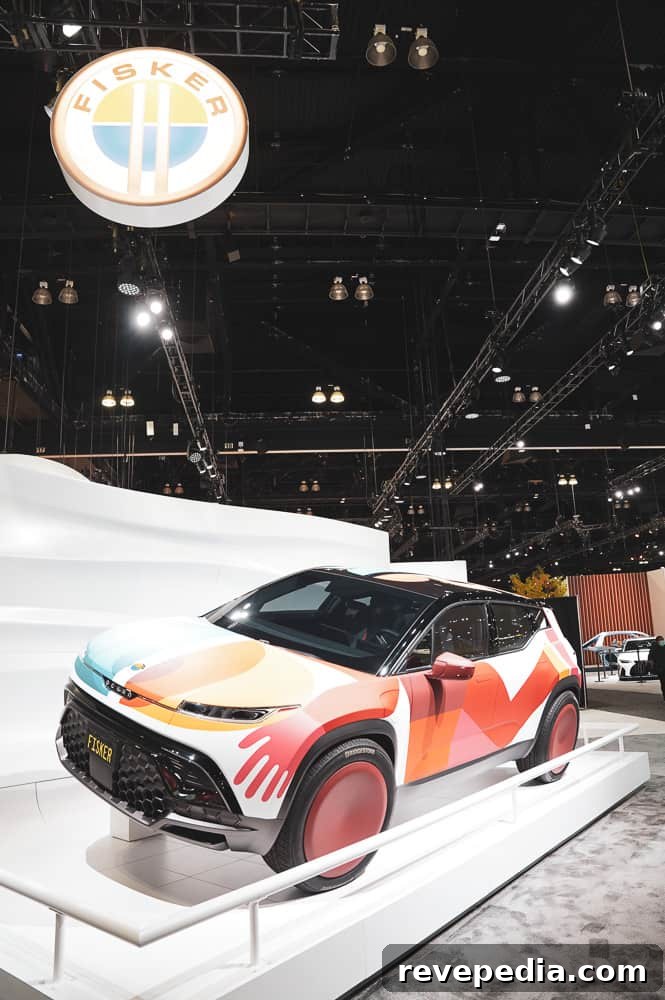
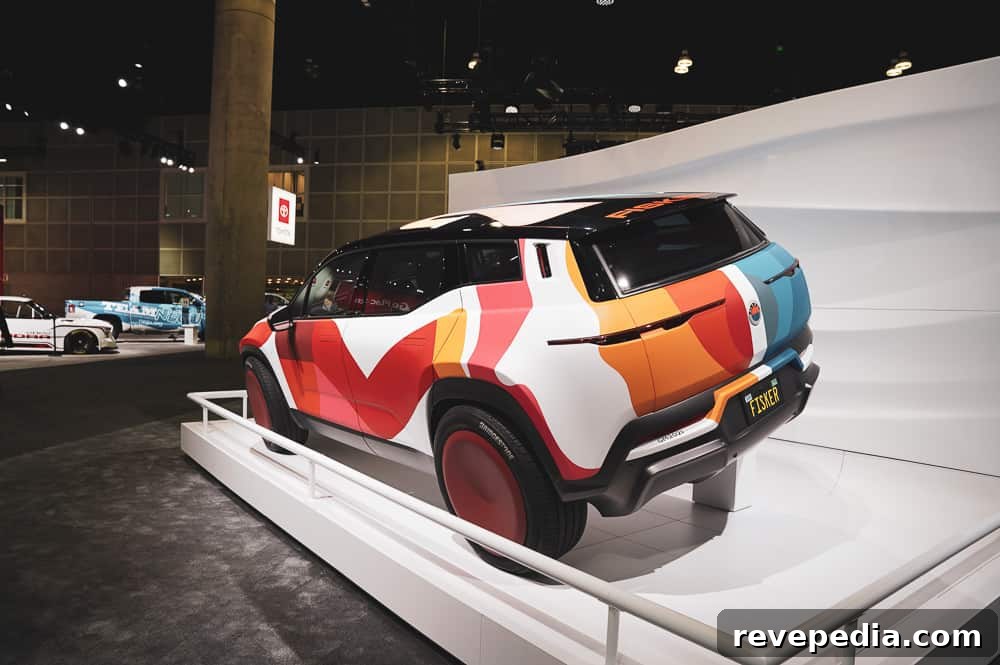
Manufacturers are also emphasizing practical upgrades: faster DC charging capability, improved thermal management for batteries, and software updates that add features over time. These improvements aim to reduce range anxiety and make EV ownership feel more familiar to drivers used to gasoline cars.
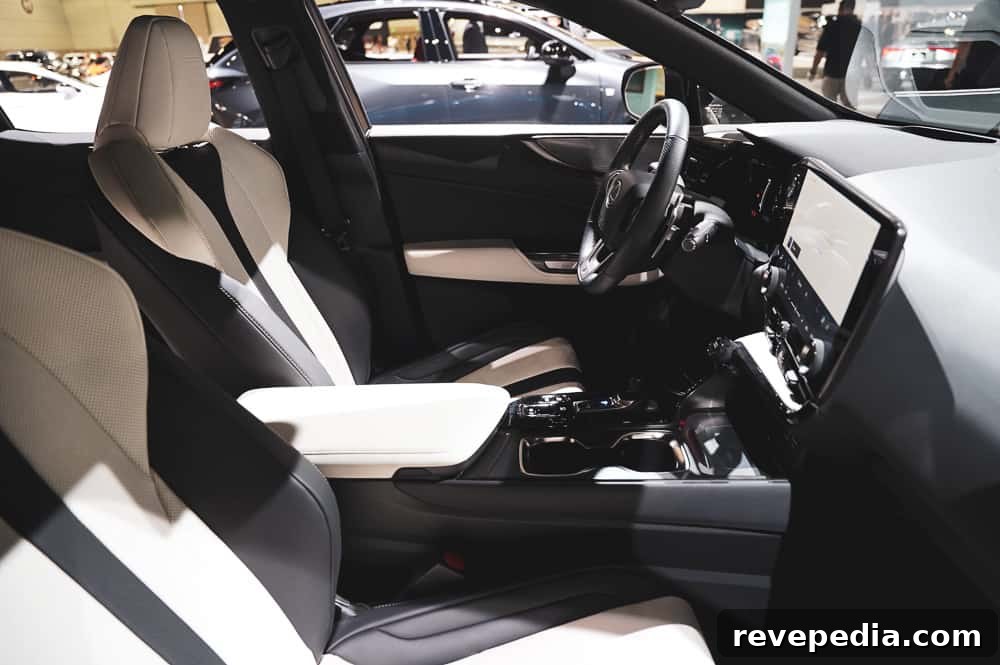
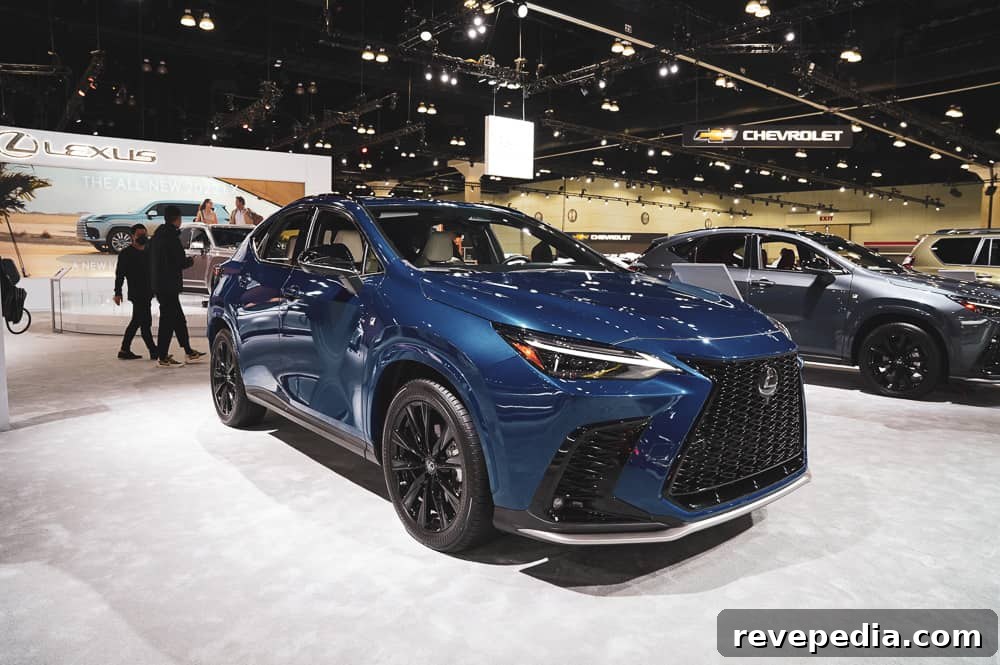
At the same time, automakers kept showing strong gasoline and hybrid offerings. For buyers not yet ready to go fully electric, these models still deliver value and familiarity while offering better fuel efficiency than previous generations.
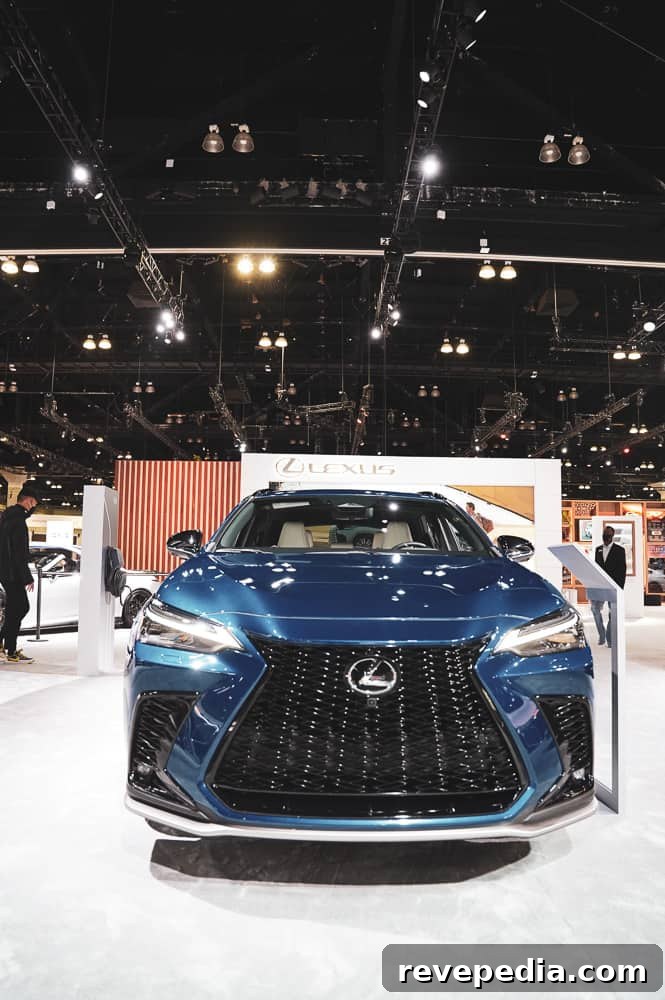
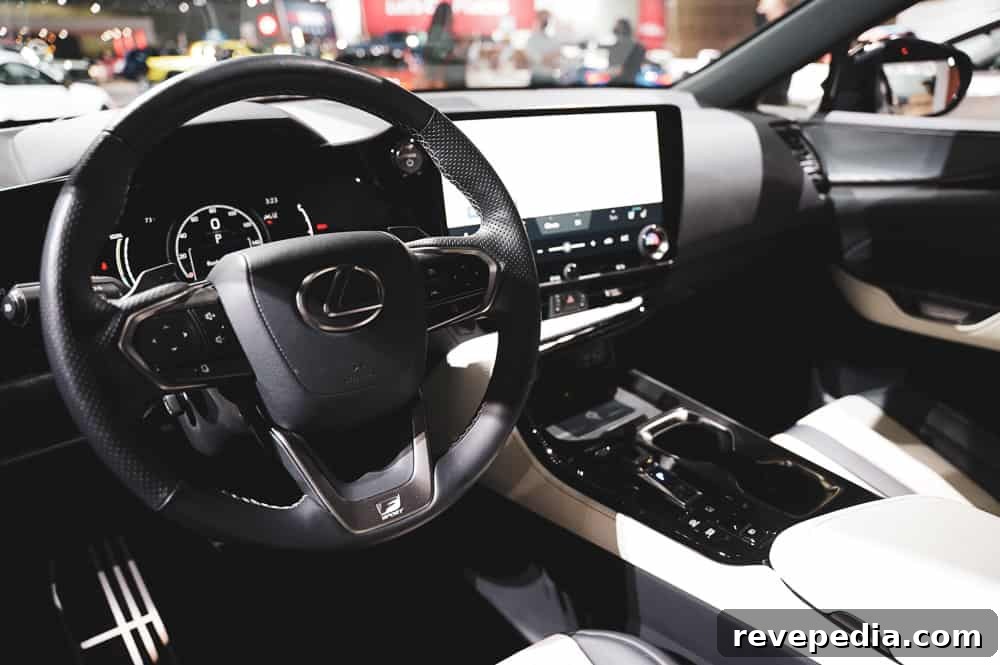
Beyond powertrains, design details were a highlight. Several new models favored cleaner exterior lines, unique lighting signatures, and interiors that combine sustainability with premium materials. Auto designers are clearly thinking about how to differentiate their electric offerings in a crowded market.
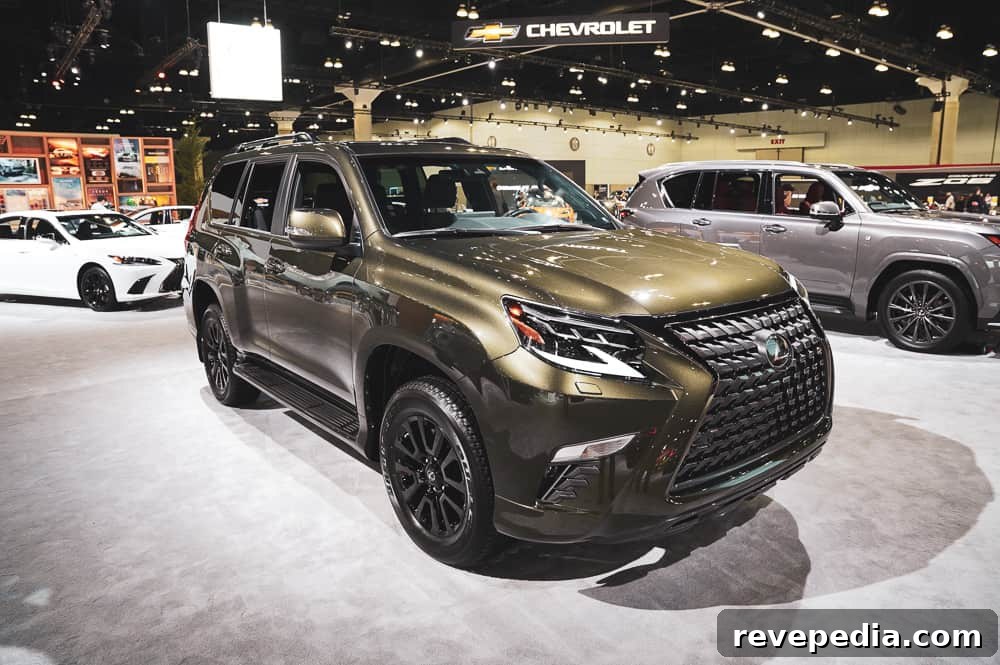
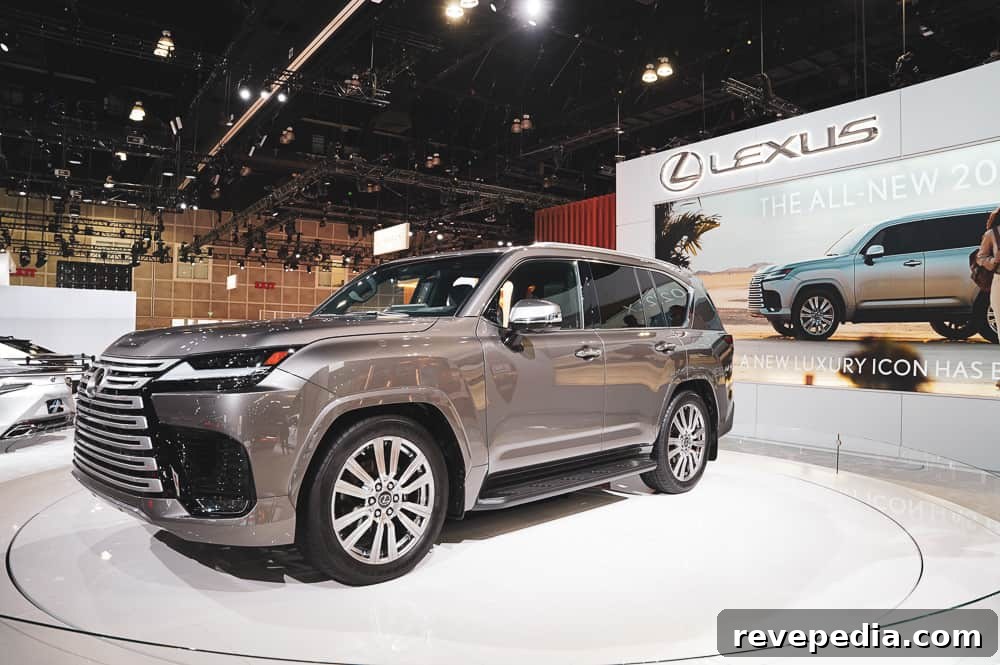
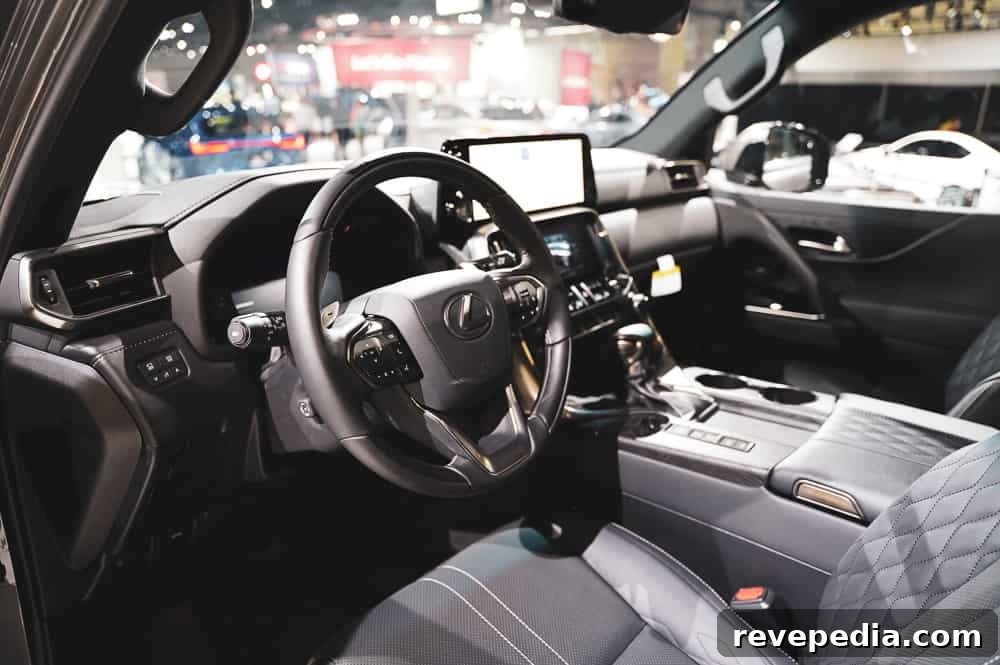
If you’re shopping, focus on a few practical points: real-world range at highway speeds, local access to fast chargers, available incentives, and total cost of ownership compared to equivalent gasoline models. Test drives and time behind the wheel are invaluable for assessing whether the driving feel and ergonomics meet your expectations.
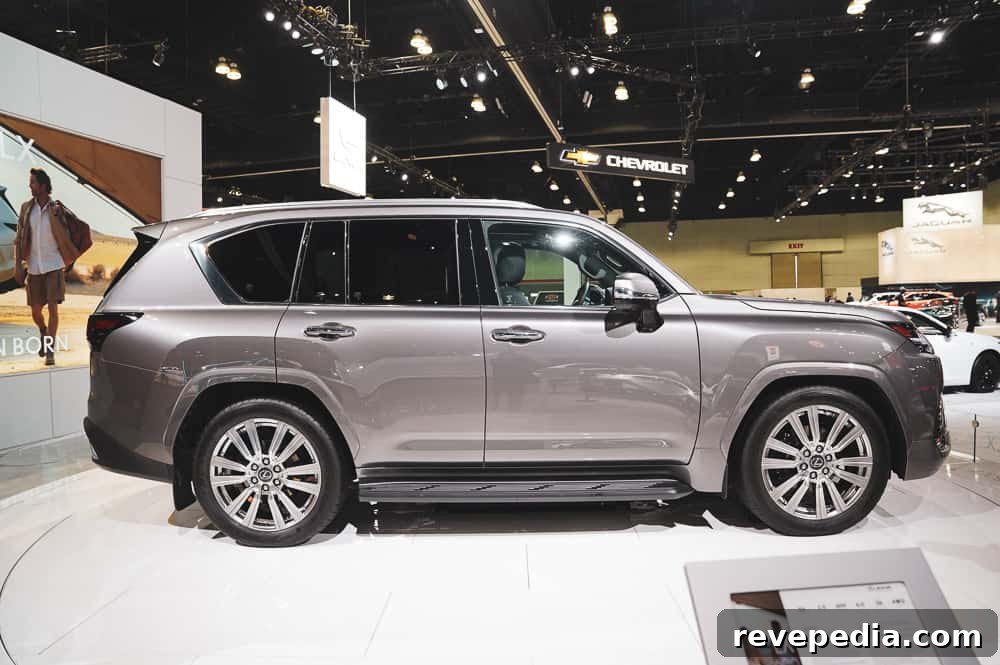
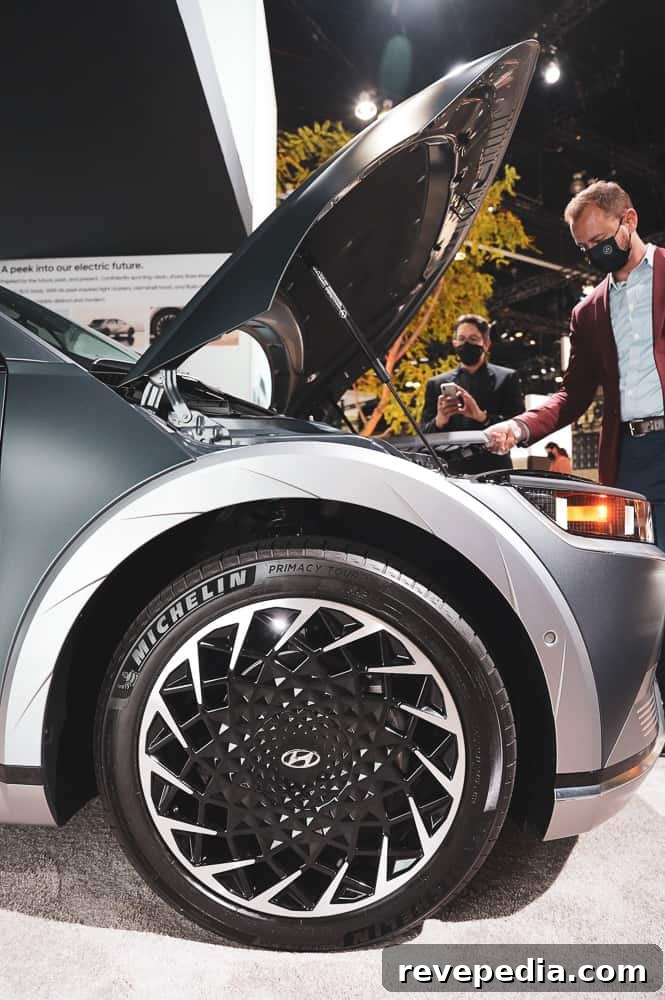
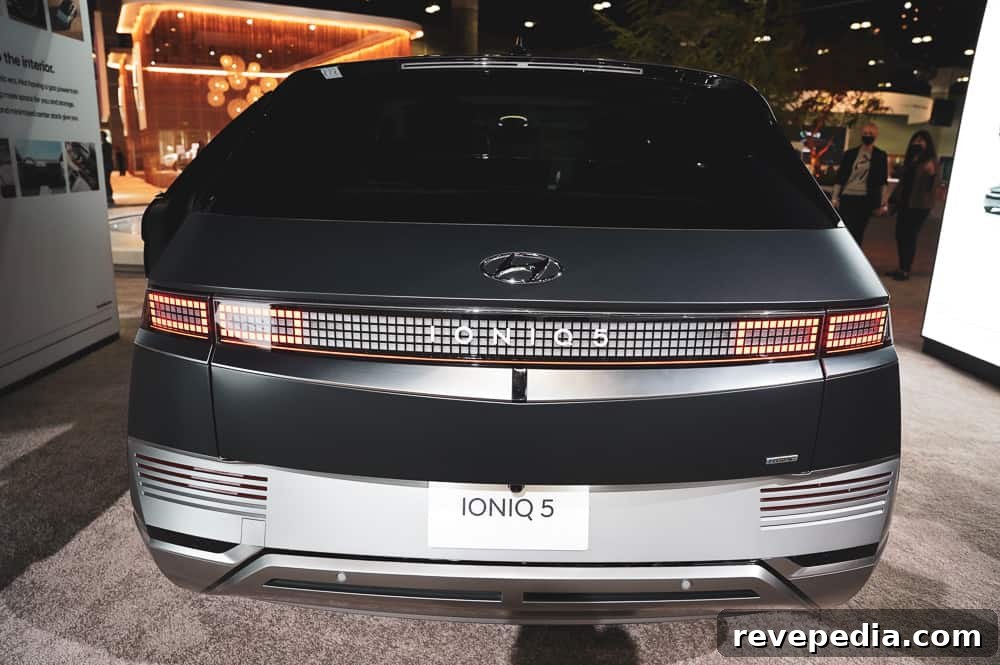
Automakers also used the show to highlight technology partnerships, new infotainment platforms, and advanced driver-assistance features. These systems are becoming more integrated, making cars smarter and aiming to improve safety and convenience.
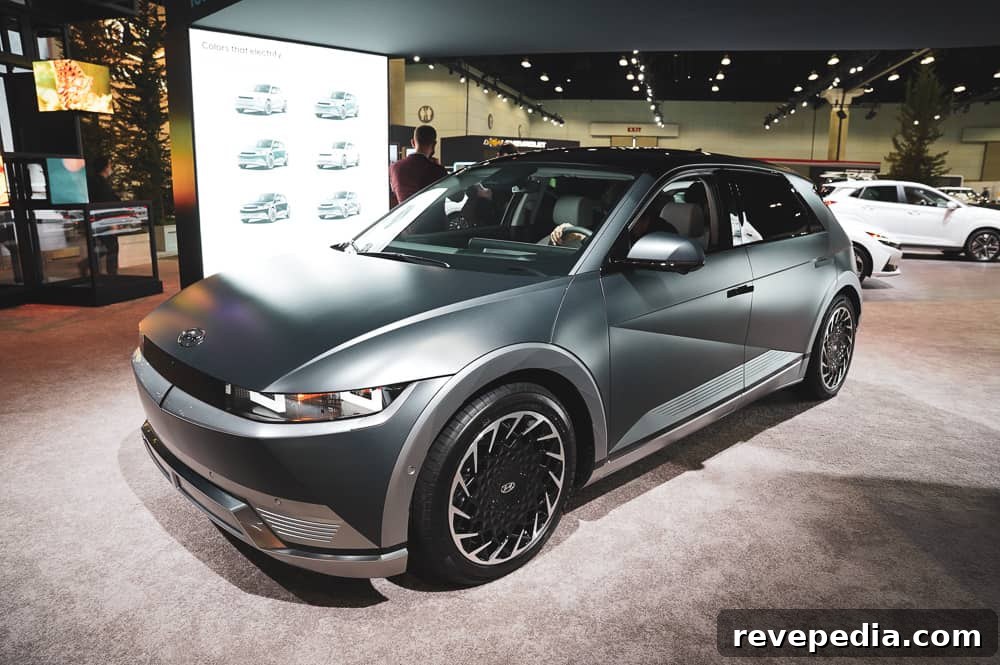
In short, Automobility LA showed an industry in transition: the momentum behind electrification is unmistakable, but the pace of adoption will depend on affordability, infrastructure, and clear consumer education. For buyers, the coming years will offer more choices than ever, from efficient hybrids to long-range battery electrics.
Are you considering an electrified vehicle for your next car? If so, weigh practical needs like range and charging, and seek out test drives to get a realistic feel for day-to-day ownership. Over the coming posts I’ll break down a few notable models from the show to help you decide.