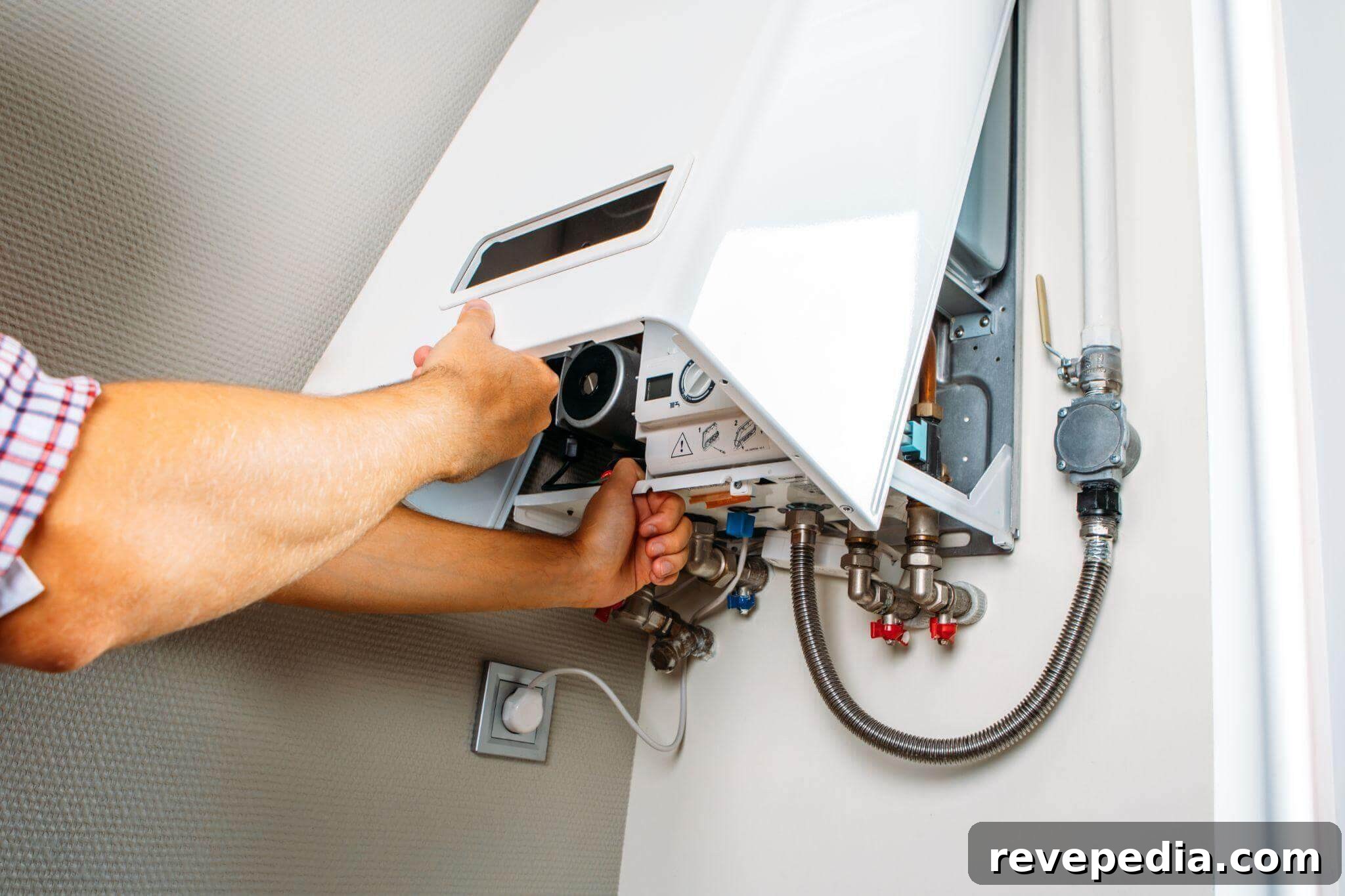
Water heaters rarely fail without warning. Sounds like gravel tumbling in a dryer, a gradual loss of hot water pressure, or rust-tinged water at the tap are early indicators that something inside the tank needs attention. Many homeowners hope these issues will resolve themselves, but they rarely do. Ignoring a strange noise for two weeks, for example, often allows sediment to damage heating elements and turns a simple repair into a more costly one. This pattern repeats across HVAC and electrical service calls: small problems become expensive when left unattended. Contacting a water heater specialist early is usually the most cost-effective approach.
Water heater problems in 2026 are not dramatically different from those five years ago, but labor and parts pricing have shifted. Labor has increased in many markets, and prices for parts—especially for smart and hybrid models—have changed as well. This guide explains the costs you can expect based on the type of problem and the kind of unit you own.
What Influences Water Heater Repair Costs in 2026?
Several factors have an outsize effect on repair cost. First, the type of unit: tankless systems generally cost more to repair than conventional tank units because parts are pricier and fewer technicians specialize in them. Second, the age of the unit matters—units older than about eight years may require harder-to-find parts, which increases both cost and repair time.
Location also plays a substantial role. Urban labor rates are typically 20–35% higher than in rural areas. Emergency or weekend service calls often carry additional fees—commonly $75–$150 extra. Even local water pressure or routing constraints at your property can influence whether a repair is straightforward or complicated.
Average Water Heater Repair Costs in 2026
For most common repairs in 2026, homeowners should expect to pay between $150 and $700. Typical cost ranges include:
- Thermostat replacement: $100–$300
- Heating element replacement: $200–$400
- Anode rod replacement: $150–$250
- Pressure relief valve replacement: $100–$200
- Pilot light or igniter repair: $150–$350
- Sediment flushing: $80–$200
- Full control board replacement (tankless): $400–$900
Labor generally runs about $75–$150 per hour, and most repairs take one to three hours depending on complexity.
Common Water Heater Problems and Their Repair Costs
No hot water: With tank units this is most often a failed heating element or thermostat, typically $200–$400 to repair. On tankless systems, common causes include the flow sensor or igniter, which usually push costs into the $350–$600 range.
Rust-colored water: This commonly indicates a corroded anode rod and early deterioration of the tank lining. Replacing the anode rod keeps costs reasonable—around $150–$250. If the tank itself is corroded through, replacement will be necessary.
Strange noises: The “gravel-in-a-dryer” sound is almost always sediment buildup. A professional flush normally costs $80–$200 and is part of recommended annual maintenance.
Leaks: Repair costs vary widely. A leaking pressure relief valve or loose fitting often costs under $200 to fix. A cracked or ruptured tank is typically not repairable and requires replacement.
Repair vs Replacement: Which Is More Cost-Effective?
A common rule of thumb is to consider replacement when repair costs exceed half the price of a new unit. New 40-gallon tank water heaters in 2026 commonly range from about $400 to $900, with installation costs typically $200–$500. So an $800 repair on a 12-year-old heater usually makes replacement the better choice.
Conversely, if a relatively new unit (for example, three years old) has a simple failure like a bad thermostat, repairing it is generally the right decision. Age and repair cost together should guide the decision; neither factor alone tells the whole story.
Hidden Costs Homeowners Often Overlook
Permit fees can add up, especially for tankless conversions or major component replacements—usually $50–$150 depending on local regulations. Required code upgrades may increase that total. If the unit sits in a cramped closet or an awkward crawlspace, some contractors add an accessibility surcharge.
Other frequently overlooked fees include disposal charges for old units ($25–$75) and separate diagnostic or service call fees some companies charge in addition to labor. Ask for a full breakdown on the estimate so nothing surprises you on the final bill.
DIY Repair vs Professional Service Costs
Some repairs are reasonable for a handy homeowner. Replacing an anode rod is straightforward for many: tools cost under $30, the rod itself runs $20–$50, and step-by-step videos make the task accessible. Flushing sediment is another manageable DIY job for those comfortable working with plumbing.
However, anything involving electrical components, gas lines, or the pressure relief system should be left to professionals. The money saved by DIY-ing a complex job can vanish if a mistake causes a leak, gas hazard, or electrical failure, and repairs for those mistakes are far more expensive than hiring a qualified technician initially.
Conclusion
The key takeaway is simple: repair costs rise quickly when diagnosis and maintenance are delayed. A $150 flush ignored can become a $400 element replacement. Call a professional at the first sign of trouble, request a written estimate before work begins, and ask whether the unit’s age makes replacement the wiser choice. That short conversation can save you several hundred dollars and prevent a small problem from becoming a major expense.