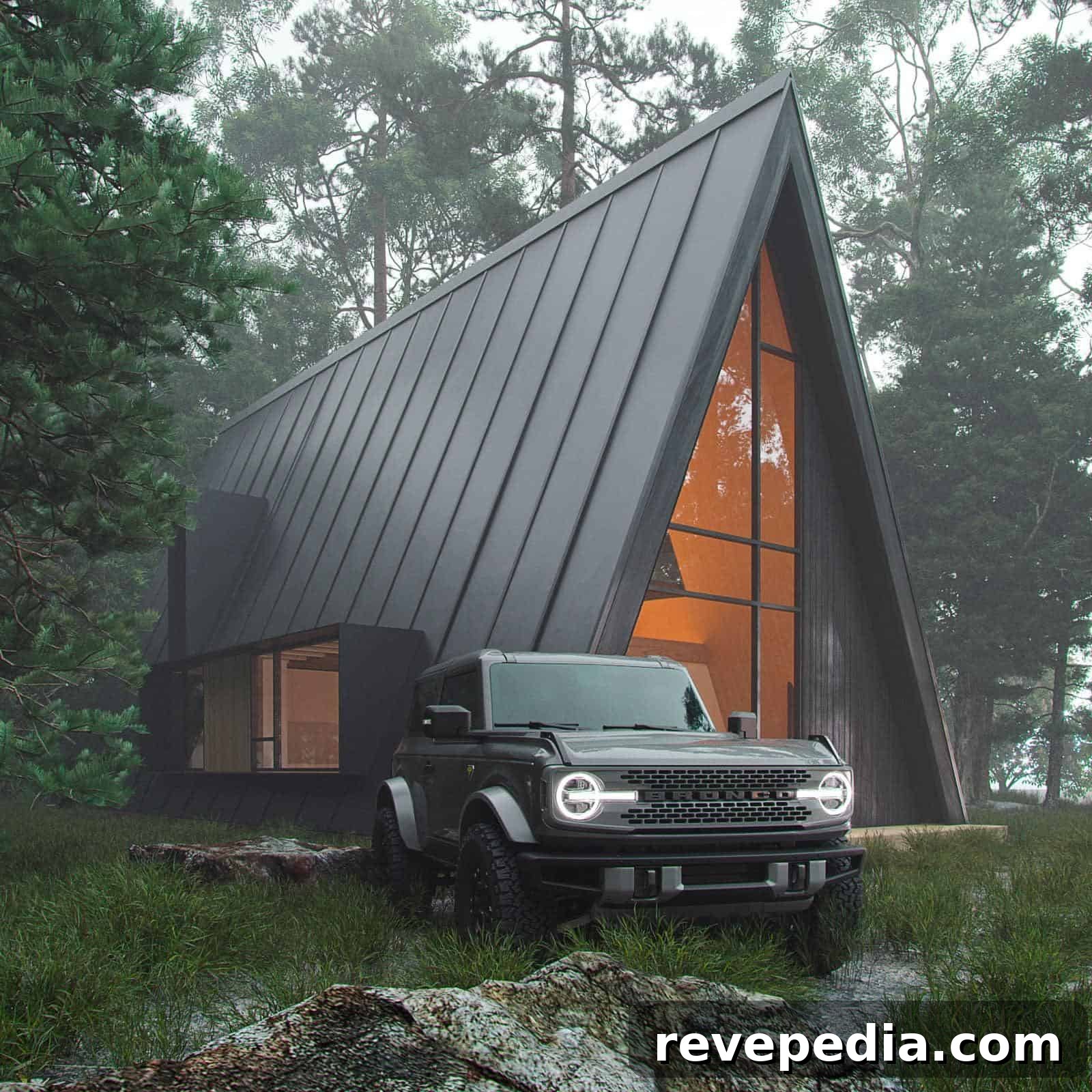
Accessory Dwelling Units (ADUs) have surged in popularity in recent years, driven by rising housing costs and the increase in remote work. These compact secondary homes offer flexible solutions for homeowners seeking extra space, rental income, or multigenerational living arrangements.
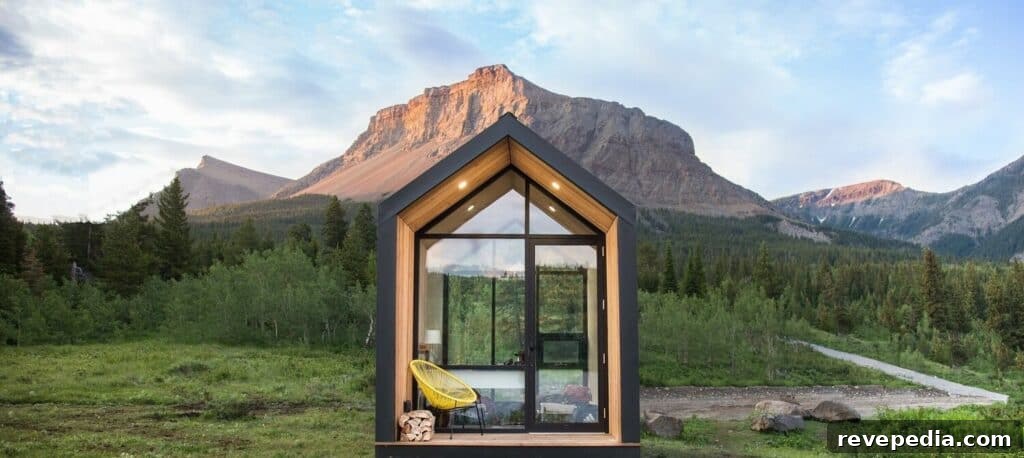
Also known as in-law units, granny flats, or casitas, ADUs are now commonly referred to by that acronym in zoning and permitting language. Regulations and requirements vary by state and municipality. Typically, ADUs are small, freestanding structures that may be fully plumbed and wired or built with more minimal utilities, depending on local code and the owner’s needs.
Construction costs for ADUs can range widely. On average, you might expect to pay roughly $300 to $500 per square foot or more, but the final price depends on factors such as the level of finish, site work, and what’s required to connect water, sewer, and electrical services. Simple shell units will cost less, while fully outfitted homes with high-end finishes and appliances push costs higher.
Across cities such as Los Angeles and other urban areas, ADUs have become a popular way to add housing capacity without expanding a home’s footprint. Below are several notable ADU manufacturers and designers that have impressed with design, quality, and service.
Drop Structures
Based in Canada, Drop Structures has built a reputation for producing attractive, thoughtfully designed ADUs. Their units blend modern aesthetics with practical living solutions. The company ships across North America and offers a range of models that suit different tastes and lot constraints. Many homeowners appreciate their attention to detail and durable construction.
Abodu
Abodu focuses specifically on backyard living and offers several stylish, livable ADU models. They provide a more full-service approach than some manufacturers, including streamlined processes and options such as a Quickship program that can deliver an ADU in about 30 days. Abodu is also transparent about pricing, with models starting around $200,000, making it easier for prospective buyers to plan financially.
Den
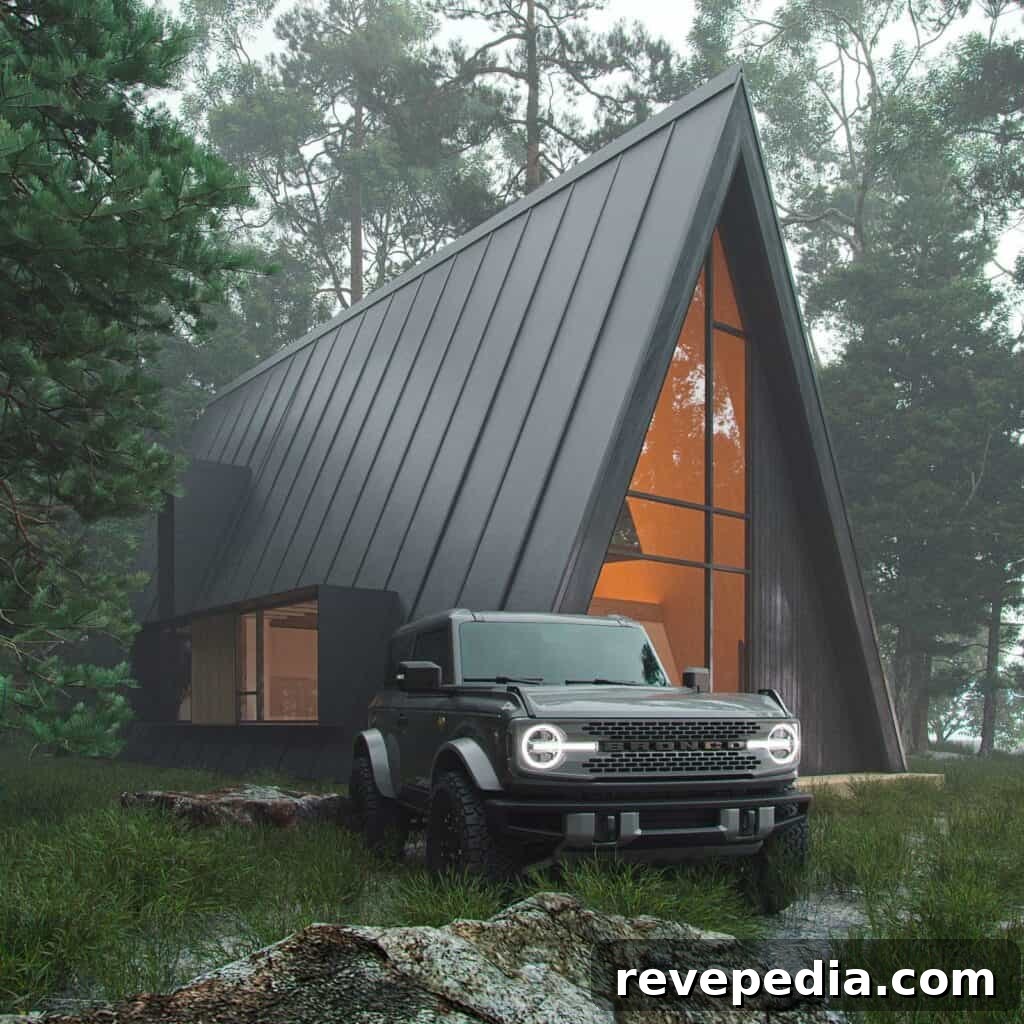
Den is known for its elegant A-frame designs and simple, modern forms. Their design packages include the plans and details needed to build a charming, compact home in a backyard setting. Many clients praise Den for combining appealing architecture with practical layouts that maximize livable space in small footprints.
When considering an ADU, research local zoning regulations, utility connection requirements, and permitting timelines. Costs and timelines vary by location and site conditions. Visiting model units, reviewing completed projects, and asking for detailed proposals will help you compare options and choose a solution that fits your budget, style, and long-term goals. Well-designed ADUs can increase property value, provide flexible living arrangements, and help address local housing needs while preserving neighborhood character.