
The kitchen is often called the heart of the home. Given its central role, making the space both functional and inviting can feel challenging—but it doesn’t require a full-scale renovation.
How your kitchen is arranged affects not just how you cook but how the space feels. An awkward layout or persistent clutter can make simple tasks frustrating, while an organized, well-planned kitchen makes cooking more efficient and enjoyable. The good news: small, intentional changes can have a big impact without a large budget.
Optimize Layout and Storage
Layout matters because it shapes how you move and work. Think about your typical flow—often from fridge to sink to hob—and whether that route feels smooth or interrupted. Even if you can’t restructure the room, small adjustments can improve efficiency.
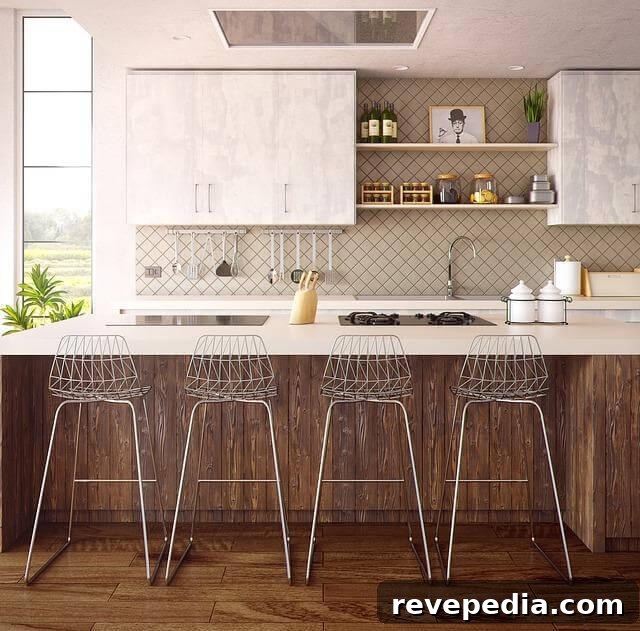
Keep frequently used items near where you use them to avoid repeatedly opening random cabinets to find spices or appliances. Storage isn’t just about adding more cupboards; it’s about using existing space better. Add shelf risers, drawer dividers, or pull-out organizers to keep things visible and accessible. Use vertical space—walls, tall cabinets, and the insides of pantry doors—to maximize storage, especially in smaller kitchens.
Streamline and Declutter
A cluttered kitchen quickly feels overwhelming, and busy households often struggle to keep clutter at bay. Still, even small decluttering efforts refresh the space. Sort through utensils, gadgets, and pantry items—discard duplicates, broken tools, and expired food. Freeing up these items clears both physical and mental space.
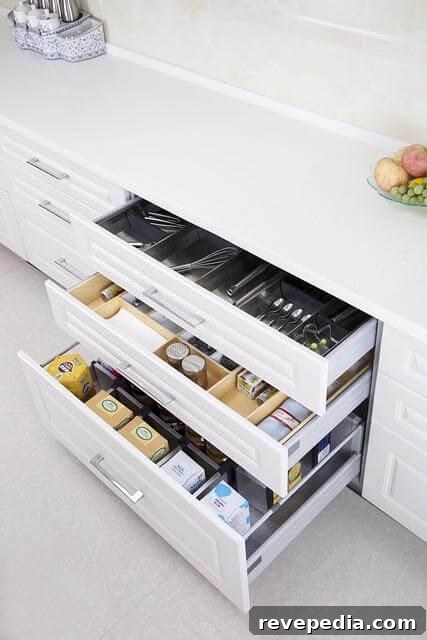
Countertops are common clutter magnets. Limiting what stays out to essentials not only makes the kitchen look tidier but also gives you more usable workspace. Adopt small daily habits to keep clutter under control:
- Put items back in their designated places after use.
- Store dry goods—flour, pasta, cereals—in clear, labeled containers.
- Do a quick tidy at the end of each day to reset surfaces.
These simple routines prevent buildup and keep your kitchen functioning smoothly.
Enhance Functionality
Once layout and clutter are addressed, focus on practical improvements that make the space work better for you. Ask whether your current setup supports how you cook and live. Small upgrades often deliver disproportionate benefits.
Lighting has a major impact on both mood and safety. Adding under-cabinet lighting improves visibility for prep work and instantly changes the room’s feel. Beyond lighting, a few targeted upgrades—like a high-quality tap, clearly labeled storage containers, or properly sharpened knives—can streamline daily tasks. These upgrades don’t have to be costly; the goal is to make everyday routines easier and more pleasant.
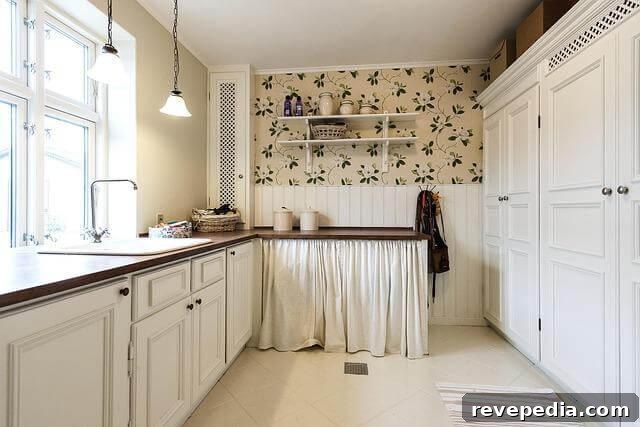
In the end, the best kitchen is one tailored to your lifestyle. Whether it’s a busy family hub or a quiet place to prepare meals, prioritize functionality and simplicity. By optimizing layout, decluttering thoughtfully, and making a few strategic enhancements, you can create a kitchen that feels fresh, efficient, and welcoming—without starting from scratch.