
If you enjoy hands-on work, a career in residential construction can be a clear, tangible choice. No office cubicles — just wood, concrete, and visible progress. That appeal draws many people in quickly.
But the trade has layers that aren’t obvious at first. It’s not only about assembling materials. A lot of learning happens directly on the job site, and success depends on staying resourceful when unexpected issues arise.
Upskilling can help you grow your career, and residential construction might be the right fit. Before you commit, however, here are seven essential things to know.
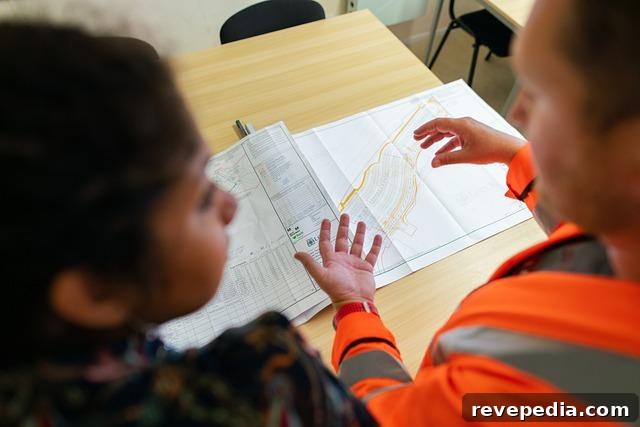
- You Learn Fastest on Job Sites
Construction is learned by doing. Reading and watching videos help, but nothing replaces hands-on experience. One day you’re measuring lumber; the next day you’re cutting and fitting it. Repetition on real projects builds the muscle memory and judgment required for the trade.
If you want to accelerate your learning, get onto a site as soon as possible. Start with general labor or helper roles — anything that puts you close to the work. That practical exposure is where your skills, confidence, and career begin to form.
2. Safety Always Comes First
Construction sites can be unforgiving. Small mistakes can cause serious injuries, so safety training is central to every job. Training covers proper protective gear, safe procedures, and situational awareness. Hard hats and gloves are important, but knowing how to observe the site, track moving equipment, and identify hazards is what keeps people safe day after day.
Developing safety habits protects you and your crew, and it’s a major part of being a reliable tradesperson.
3. Problem-Solving Matters More Than Strength
Contrary to common belief, construction relies more on thinking than brute force. Plans don’t always match reality: materials shift, measurements vary, and unexpected site conditions arise. The people who excel are those who can adapt — rework details, make on-the-spot adjustments, and keep the project moving without costly delays.
Strength helps move materials, but problem-solving keeps the job from stalling or failing when things don’t go exactly as drawn.
4. Communication Prevents Mistakes
Many issues on-site start with assumptions or silence. In construction you can’t afford that. Speak up when something seems wrong and confirm details before anything is permanently set in place. Clear, timely communication is critical — especially in renovations where multiple trades and overlapping schedules increase the risk of errors.
A short conversation, a quick measurement check, or a simple clarification can prevent misaligned fixtures, wasted materials, and costly rework.

5. Cleaning Is Part of the Job
Work isn’t finished when the last nail goes in — cleanup is integral to the process. A cluttered site slows progress, hides hazards, and makes quality control harder. Professionals treat cleaning as part of the daily routine: tidying debris, storing tools properly, and ensuring the workspace is ready for the next task.
Maintaining tools, clearing waste, and resetting the area at the end of each day increases efficiency, prolongs equipment life, and keeps the site safer for everyone.
6. Licensing Opens Career Paths
As you gain experience, you may want to move into supervisory or management roles. Licensing often becomes necessary to take on higher responsibility and legally oversee projects. For example, advancing to a construction supervisor position requires studying relevant codes and passing licensing exams in many jurisdictions.
Obtaining a license expands the types of work you can accept, lets you manage crews and compliance, and marks a shift from hands-on labor to leadership and project responsibility.
7. Good Work Gets You Rehired
The construction industry remembers how you show up. Reliability, quality, and professionalism build a reputation that leads to repeat work and referrals. Consistently clean, punctual, and skilled tradespeople are the ones supervisors and contractors call back — and that steady demand reduces the need to constantly search for new jobs.
Conclusion
Residential construction is not always neat or predictable. It involves pressure, safety considerations, and—after time—possible licensing and added responsibilities. Those challenges are part of the trade, but so are the rewards.
Learn on-site, communicate clearly, pay attention to detail, and keep your workspace orderly. Persist through the early learning curve and you’ll find steady progress: fewer rookie mistakes, growing trust from supervisors and clients, and better projects. Over time you’ll stop being the new person and start being the one others rely on — and perhaps the one teaching these lessons to newcomers.