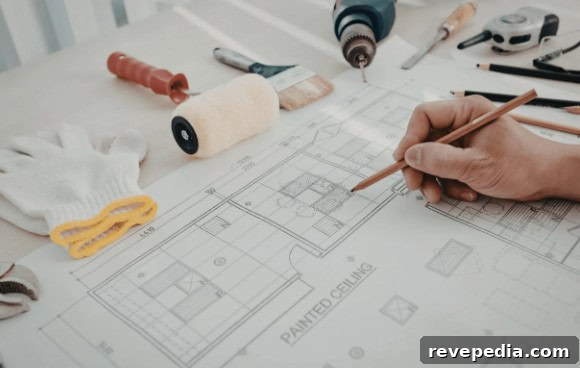
Vector graphics are an increasingly valuable tool for DIY enthusiasts who want cleaner, more precise results in their home projects. Because vector images can be scaled without loss of quality, they are especially well suited for producing vinyl decals, custom stencils, workshop labels, and clear signage.
Below are practical DIY projects where vector graphics can help you achieve a more professional finish and greater consistency across your work.
Creating Vinyl Decals for Walls and Furniture
Vinyl decals are one of the most popular DIY uses for vector graphics. With cutting machines such as the Cricut Maker or Silhouette Cameo, vector files can be converted into removable vinyl decorations for walls, furniture, appliances, and storage containers.
Vector artwork is ideal for decals because its precise paths allow for accurate cutting of shapes and lettering, producing crisp, clean edges.
Popular decal ideas include:
- Inspirational quotes for home offices or bedrooms
- Decorative motifs for furniture refinishing
- Themed wall graphics for children’s rooms
- Kitchen or coffee station labels
Many makers begin with pre-made vector illustrations or typographic designs from image libraries, then scale or tweak the artwork before cutting it from adhesive vinyl.
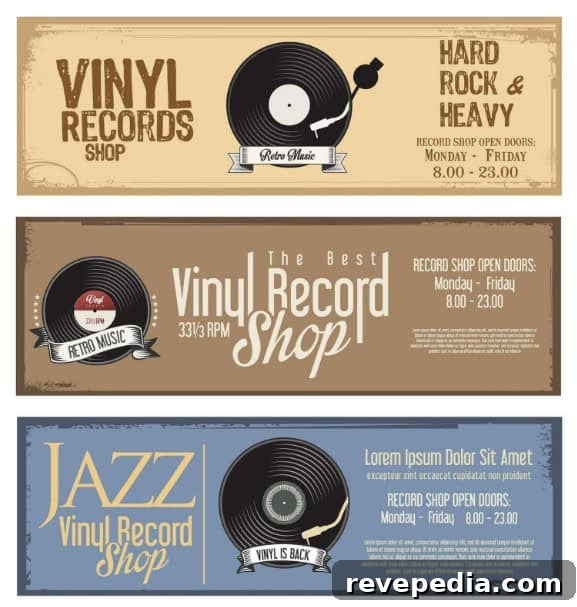
Designing Custom Stencils for Painting Projects
Stencils are another excellent application for vector designs. Instead of buying generic stencils, you can create custom patterns or lettering and cut them from stencil plastic, acetate, or heavy cardstock.
Custom stencils work well for projects such as:
- Painting repeating patterns on furniture
- Making unique wooden signs
- Designing accent walls
- Decorating outdoor planters and pots
Because vector shapes have exact, clean edges, they produce neater paint lines than hand-cut patterns. Stencils produced from vector artwork are reusable and deliver consistent results across multiple pieces.
DIY Tip: Choosing the Right Material for Stencils
For reusable stencils, many crafters prefer mylar sheets because they are flexible, durable, and easy to clean after painting. Thicker materials help prevent paint seepage under the edges, giving sharper results.
Making Labels for Garage or Pantry Organization
Organization projects benefit greatly from vector graphics. Clear, consistent labels help you maintain storage systems and make it easier to find items quickly.
Use vector designs to create labels for:
- Garage tool bins
- Workshop drawers
- Pantry jars and containers
- Storage totes and bins
Vector text remains sharp at any size, so labels can be resized to fit jars, drawers, or large bins without losing legibility. Many DIYers print labels on adhesive vinyl or waterproof sticker paper for durability in humid or dusty environments.
Adding simple icons—tools for the garage, forks or jars for the pantry—can make labels easier to scan at a glance and speed up everyday tasks.
Printing Workshop or Garage Signage
A well-organized workshop benefits from clear signage. Vector graphics let you design signs that are easy to read and consistent in style throughout the space.
Common workshop signage includes:
- Safety reminders and hazard notices
- Tool station and equipment labels
- Material storage signs
- Project workflow or instruction guides
These signs can be printed on cardstock, adhesive vinyl, or laminated sheets and mounted on walls, cabinets, or pegboards. As tools and materials accumulate, labeling drawers for drill bits, fasteners, and sanding discs saves time and reduces frustration during builds.
A simple vector icon paired with clear lettering helps you locate the right drawer quickly, even when your hands are full or dirty. If you enjoy workshop organization, consider pairing signage with custom pegboard layouts or storage systems for a cohesive solution.
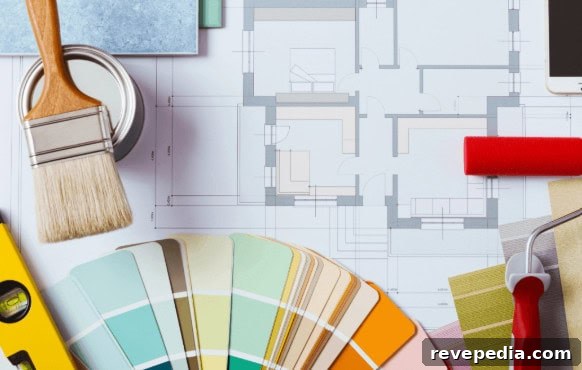
Image by DepositPhotos
Designing Custom T-Shirts or Tote Bags for Projects
Vector graphics are highly practical for custom apparel and fabric projects. Heat transfer vinyl (HTV) and screen printing both work well with vector artwork, allowing you to apply designs to T-shirts, tote bags, aprons, and other fabric items.
DIY apparel ideas include:
- Workshop or club shirts
- Project team T-shirts
- Branded tool tote bags
- Matching shirts for group build days or maker events
For example, a woodworking group might design a simple saw-blade icon for shirts. Because vector files scale cleanly, the same artwork can be used for a small chest logo or a larger back print without compromising clarity.
Getting Started with Vector Designs
If you’re new to vector graphics, several user-friendly tools make it easy to begin creating your own artwork.
Popular programs for hobbyists include:
- Adobe Illustrator
- Inkscape (free)
- Affinity Designer
- Cricut Design Space
Many makers combine these tools with downloadable vector libraries and templates, customizing existing graphics before cutting or printing. When your design is ready, export it as SVG, DXF, or PDF—formats commonly supported by cutting machines, printers, and print shops.
Bringing Precision to DIY Projects
Vector graphics offer a straightforward way to add precision and polish to home projects. From decals and stencils to labels, signage, and custom apparel, vector designs help you produce clean, repeatable, professional-looking results.
With the right tools and a little practice, vector graphics can become an essential part of your DIY toolkit—helping you save time, reduce errors, and elevate the overall finish of your projects.